
Nissan Kait SUV Debuts – Hyundai Creta, Tata Sierra Size
Nissan Finally Joins India's Hottest SUV BattleThe mid-size SUV segment in India is hotter than a Mumbai afternoon in May, and Nissan has finally decided to get into the game with the Kait SUV. I've been watching this segment closely, and let me tell you – it's about time Nissan brought something su...
By Payal Jain
Automotive Writer
Nissan Finally Joins India's Hottest SUV Battle
The mid-size SUV segment in India is hotter than a Mumbai afternoon in May, and Nissan has finally decided to get into the game with the Kait SUV. I've been watching this segment closely, and let me tell you – it's about time Nissan brought something substantial to compete with the Hyundai Creta and the upcoming Tata Sierra.
The Indian market has been screaming for more choices in this sweet spot between compact and full-size SUVs. The Creta has been ruling the roost for years, and Tata's Sierra revival has everyone talking. Now Nissan wants a piece of that pie, and from what I'm seeing, they're not just showing up – they're showing up prepared.
This segment matters because it hits that perfect balance of size, practicality, and affordability that Indian families absolutely love. You get enough space for weekend trips, city maneuverability, and pricing that doesn't require selling a kidney.
Size Matters: How the Kait Stacks Up
Let's talk dimensions, because in the SUV world, size is everything. The Nissan Kait reportedly measures around 4.3 to 4.4 meters in length, which puts it right in Creta and Sierra territory. This isn't coincidence – Nissan knows exactly what they're doing.
Dimensional Comparison
Based on available information and industry patterns, here's how these SUVs generally compare:
- Length: All three hover around 4.3-4.4 meters, maximizing space while staying manageable
- Wheelbase: Expect somewhere around 2.6 meters, which typically translates to decent rear legroom
- Width: Modern mid-size SUVs usually stretch to about 1.8 meters for that imposing stance
- Height: Ground clearance and overall height should be competitive for Indian road conditions
I think Nissan nailed the proportions here. They're not trying to be too bold or too conservative – just right-sized for what Indian buyers actually need. The dimensions suggest you'll fit it into your apartment parking without doing a 47-point turn, but you'll still have room for the family and luggage for that Goa trip.
Interior Space and Practicality
What really matters is how those dimensions translate inside. The Kait appears to offer competitive cabin space with decent headroom and legroom. In my experience covering this segment, manufacturers have gotten really clever with packaging. Even though these SUVs aren't massive on the outside, they often feel surprisingly spacious inside.
Boot space is typically where mid-size SUVs shine, and reports suggest the Kait won't disappoint. We're likely looking at somewhere between 400-450 liters, which is pretty standard for this class.
Design Language: Fresh or Forgettable?
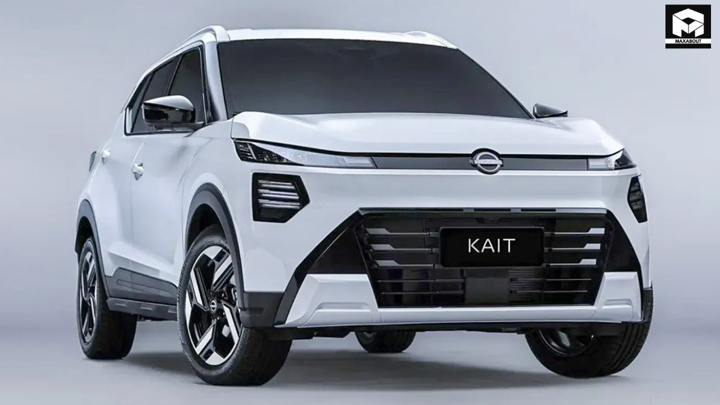
Nissan's design team seems to have taken inspiration from their global lineup while adding elements that resonate with Indian preferences. The Kait sports what I'd call contemporary aggression – bold grille, sleek LED lighting, and sculpted body lines that catch the eye without being over-the-top.
Exterior Styling Elements
From what I'm seeing, the Kait features:
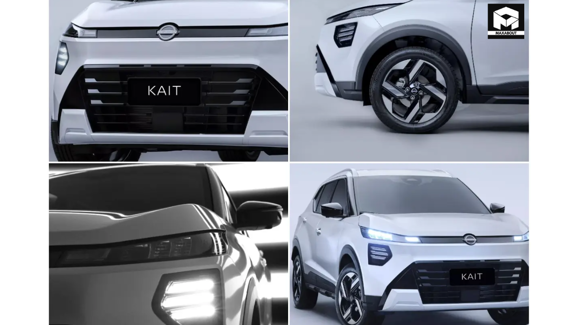
- Front fascia: Signature Nissan V-motion grille with LED headlamps and integrated DRLs
- Side profile: Floating roof design with character lines running the length
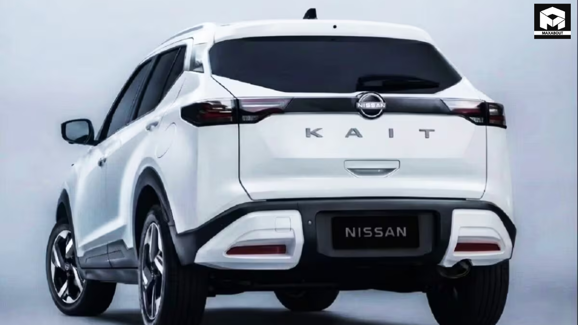
- Rear design: Connected LED tail lamps and integrated spoiler for that sporty touch
- Wheels: Likely 17 or 18-inch alloys depending on variant
Here's my take – the design won't revolutionize anything, but it doesn't need to. It's modern, appealing, and won't look dated in five years. That's actually harder to achieve than radical design that ages poorly.
Interior Design and Features
Inside, Nissan appears to be going all-in with features. We're talking touchscreen infotainment, digital instrument cluster, connected car tech, and all the bells and whistles buyers expect in this segment. The material quality and fit-and-finish will ultimately determine success, but Nissan generally does decent work here.
Powertrain Options: What's Under the Hood?
Engine choices typically make or break SUVs in India, and Nissan understands this segment demands options. While official specifications may vary, industry patterns suggest we're looking at both petrol and potentially diesel powertrains.
Expected Engine Lineup
Based on Nissan's existing portfolio and segment requirements:
- Petrol Engine: Likely a 1.5-liter or 1.3-liter turbo-petrol unit delivering competitive power and efficiency
- Transmission Options: Manual gearbox standard, with CVT or automatic available on higher variants
- Diesel Possibility: Given segment demands, a diesel option could follow, though manufacturers are being cautious with diesel investments
I've seen how buyers in this segment prioritize fuel efficiency without sacrificing performance. Nissan's challenge is delivering peppy performance for city driving and highway overtakes while keeping those fuel economy numbers attractive. It's a tightrope walk, honestly.
Driving Dynamics and Comfort
Mid-size SUVs in India need to handle everything from glass-smooth highways to crater-filled city roads. Suspension tuning is critical, and manufacturers typically go for a comfort-biased setup with enough stiffness to handle spirited driving.
The Kait will likely offer drive modes, which have become expected in this segment. These let you toggle between fuel-sipping efficiency and sportier responses depending on your mood and driving conditions.
Tech and Safety: Meeting Modern Expectations
Today's buyers expect their SUVs to be rolling smartphones, and the Kait appears to deliver on this front. Connected car technology has become non-negotiable in this segment, and reports suggest Nissan hasn't skimped.
Technology Features
Expected tech includes:
- Infotainment: Large touchscreen with smartphone connectivity (Apple CarPlay and Android Auto)
- Connected features: Remote vehicle monitoring, location tracking, and vehicle diagnostics via smartphone app
- Digital displays: Configurable digital instrument cluster providing relevant driving information
- Climate control: Automatic climate control with rear AC vents
- Convenience features: Keyless entry, push-button start, wireless charging
Safety Equipment
Safety has become a major talking point, especially with upcoming regulations. The Kait should come equipped with:
- Six airbags (likely standard across variants following new norms)
- ABS with EBD and brake assist
- Electronic stability control
- Hill hold and descent control
- Rear parking sensors and camera
- ISOFIX child seat anchors
I think Nissan recognizes that safety sells now. Gone are the days when buyers compromised on safety features. Today's informed consumers check crash test ratings and safety equipment before signing checks.
Pricing Strategy: The Make-or-Break Factor
Here's where things get interesting. Nissan needs to price the Kait aggressively to grab market share from established players. The Creta typically ranges from around ₹10.5 lakh to ₹19 lakh (ex-showroom), and the Sierra is expected in a similar bracket.
Expected Price Positioning
My prediction? Nissan will likely position the Kait slightly below the Creta to attract price-conscious buyers while offering comparable or better features. We're probably looking at a starting price around ₹10 lakh, stretching to roughly ₹18 lakh for top-spec variants.
This pricing strategy makes sense because Nissan doesn't have the brand pull of Hyundai or the nationalist appeal of Tata right now. They need to give buyers a compelling reason to choose Kait over established alternatives. Value proposition is that reason.
Variant Strategy
Expect multiple variants catering to different buyer segments:
- Base variants: Essential features at attractive pricing for budget-conscious buyers
- Mid variants: Sweet spot with most desired features and good value
- Top variants: Loaded with every bell and whistle for premium buyers
Competition Analysis: David vs. Multiple Goliaths
Let's be honest – the Kait faces an uphill battle. The Hyundai Creta has been dominating this segment with consistently strong sales numbers. Tata's Sierra brings nostalgia and the "Make in India" appeal. Then you've got the Kia Seltos, MG Astor, Volkswagen Taigun, and Skoda Kushaq all fighting for attention.
Hyundai Creta: The Benchmark
The Creta has become synonymous with mid-size SUVs in India. It offers proven reliability, extensive service network, good resale value, and features that buyers want. User forums consistently report satisfaction with ownership experience, which translates to strong word-of-mouth marketing.
Nissan needs to match or exceed Creta's feature set while undercutting on price. That's the only formula that works when competing against a segment leader.
Tata Sierra: The Emotional Competitor
Tata's Sierra revival taps into nostalgia while leveraging their recent success with safety and build quality. The Sierra also benefits from Tata's strong brand perception in India right now. They've successfully positioned themselves as the safe, sturdy, and patriotic choice.
For Nissan, competing against this emotional appeal is tricky. They'll need to focus on rational benefits – features, pricing, efficiency, and driving experience.
Other Competitors
The segment is crowded:
- Kia Seltos: Shares DNA with Creta, strong brand image, feature-rich
- MG Astor: Tech-focused positioning with connected features
- VW Taigun/Skoda Kushaq: European engineering appeal, solid build quality
Each competitor has carved out a niche. Nissan needs to find theirs quickly.
Market Timing and Strategic Considerations
Nissan's timing is both good and challenging. The SUV market in India continues growing, with buyers increasingly preferring SUVs over sedans and hatchbacks. That's the good news.
The challenge? Competition has never been fiercer. Every manufacturer wants a piece of this segment. According to industry reports, mid-size SUVs account for significant volumes in the Indian market, making it too lucrative to ignore.
Nissan's Brand Challenge
Let me be blunt – Nissan's brand perception in India has taken hits over the years. They've had limited new launches, service network concerns have been reported in various forums, and they've lost mindshare to competitors.
The Kait represents a comeback attempt. But launching a good product is only half the battle. Nissan needs to:
- Strengthen service network and ensure parts availability
- Invest heavily in marketing to rebuild brand awareness
- Deliver consistent quality to generate positive word-of-mouth
- Maintain aggressive pricing throughout the product lifecycle
What This Means for Buyers
More competition always benefits consumers, and the Kait's entry should put pressure on pricing and features across the segment. If Nissan prices aggressively, established players might respond with better offers and discounts.
Should You Wait for the Kait?
If you're in the market for a mid-size SUV, here's my thinking:
Consider the Kait if:
- You want the latest design and features
- Pricing comes in noticeably lower than competitors
- You're open to brands beyond the usual suspects
- Initial reviews and test drives impress
Stick with established options if:
- Proven reliability and strong resale value matter most
- You prioritize extensive service network
- You're risk-averse about new launches
- You've had positive experiences with current competitors
Explore the story
Related news
Share your view and join the discussion.
Earn reward points for every comment and get a chance to win ₹1,000 in our weekly lucky draw. Sign in with Google in one tap.
Start the conversation
No one has commented on this article yet. Be the first to share your view.
Want to read more automotive news?
Stay updated with the latest car launches, reviews, and industry insights.
Browse All News