
Nissan GT-R, Kawasaki Ninja H2 fastest at the Valley Run 2025 Winter Edition
When Legends Meet the RoadThere's something special about watching automotive and motorcycle royalty go head-to-head on open roads. The Valley Run 2025 Winter Edition delivered exactly that spectacle, with the Nissan GT-R and Kawasaki Ninja H2 proving they're still the ones to beat in their respecti...
By Ankit Rihal
Automotive Journalist
When Legends Meet the Road
There's something special about watching automotive and motorcycle royalty go head-to-head on open roads. The Valley Run 2025 Winter Edition delivered exactly that spectacle, with the Nissan GT-R and Kawasaki Ninja H2 proving they're still the ones to beat in their respective categories.
I've followed these machines for years, and what makes this particular victory meaningful isn't just the win itself. It's what these vehicles represent: engineering pushed to its limits, technology serving performance, and the kind of reliability that lets you attack challenging runs without second-guessing your equipment.
The Nissan GT-R: Godzilla Still Roars
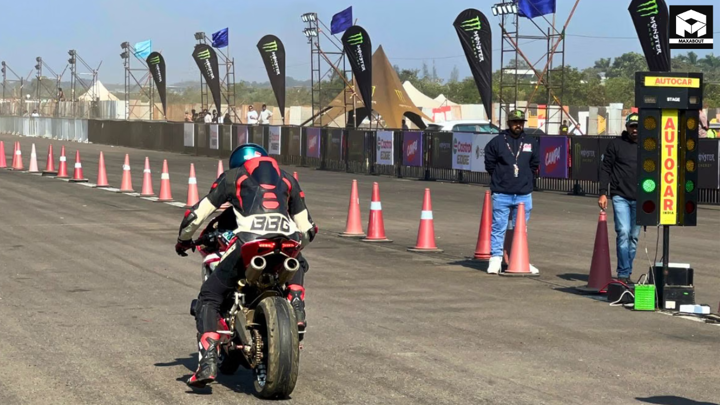
The GT-R taking top honors at Valley Run doesn't surprise me one bit. This car has been rewriting the rulebook on what's possible with all-wheel drive and forced induction since its modern revival in 2007.
Why the GT-R Dominates These Events
Let me break down what makes the GT-R such a formidable competitor in these conditions:
- ATTESA E-TS AWD system – This isn't your average all-wheel drive. The system can vary torque distribution between the front and rear wheels in milliseconds, giving you insane traction when you need it most
- Twin-turbo VR38DETT engine – The 3.8-liter V6 produces anywhere from 565 to 600+ horsepower depending on the model year, with massive torque across the rev range
- Launch control technology – The GT-R's ability to put power down from a standing start is legendary, often outperforming supercars costing twice as much
- Predictable handling characteristics – Despite its performance, the GT-R remains manageable and confidence-inspiring, even for non-professional drivers
Winter Performance Capabilities
What really sets the GT-R apart in winter events is its sophisticated electronics. The Vehicle Dynamic Control (VDC) system works overtime in cold conditions, managing wheel slip before you even realize it's happening. The AWD system shines when temperatures drop and road surfaces become less predictable.
Reports from various automotive forums consistently show GT-R owners praising the car's winter capability – something you don't often hear about supercars. With proper winter tires, this Japanese supercar becomes remarkably usable year-round.
Kawasaki Ninja H2: Supercharged Supremacy
On the two-wheel side, the Ninja H2 claiming victory is equally impressive but perhaps more surprising. Winter motorcycle events require serious confidence in your machine, and the H2 delivered.
The Supercharged Difference
The Ninja H2 isn't just another sportbike. It's Kawasaki's engineering statement, featuring a supercharged 998cc inline-four that produces around 200 horsepower in street trim, or over 300 horsepower in the track-only H2R variant.
What makes this relevant for events like Valley Run:
- Instant throttle response – The supercharger eliminates turbo lag, giving you immediate power delivery exactly when you need it
- Mid-range torque – Unlike naturally aspirated sportbikes that need high revs, the H2 pulls hard from low RPMs, crucial for variable-speed runs
- Advanced electronics package – Multiple riding modes, traction control, and cornering ABS help manage that immense power
- Aerodynamic stability – The H2's distinctive bodywork isn't just for show; it provides genuine high-speed stability
Managing Power in Winter Conditions
Riding any sportbike in winter takes skill, but piloting an H2 requires another level of mechanical sympathy. The bike's sophisticated traction control system becomes absolutely essential when ambient temperatures drop. According to rider reports from various forums and reviews, the H2's electronics are among the best in the business at preventing unwanted drama.
The key is selecting the appropriate riding mode. The H2 offers multiple power delivery maps, and the smoother settings make a massive difference when road grip isn't optimal.
What Valley Run Tests That Others Don't
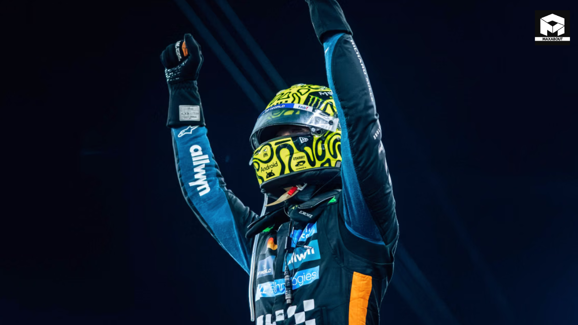
Valley Run events aren't just drag races or track days. They combine elements that really test both machine and pilot:
Varied Road Conditions
Winter editions particularly challenge participants with changing grip levels, temperature variations, and occasionally unpredictable weather. These aren't controlled environments – they're real-world conditions that expose any weaknesses in a vehicle's setup.
Sustained Performance
Unlike short sprints, these runs demand consistent performance over extended periods. Heat management, fuel delivery consistency, and driver/rider fatigue all become factors. Both the GT-R and H2 are known for their ability to deliver lap after lap without performance degradation.
Accessibility Versus Capability
What I find most impressive is that both winning machines are street-legal, daily-drivable vehicles. They're not trailered race cars or track-only bikes. This accessibility is part of their appeal – you could theoretically drive or ride either to the event, compete, and drive/ride home.
Technical Specifications Comparison
Let's look at what these champions bring to the table:
Nissan GT-R (2024 Model)
- Engine: 3.8L twin-turbo V6
- Power: 565 hp (Premium), 600 hp (NISMO)
- Torque: 467 lb-ft (Premium), 481 lb-ft (NISMO)
- 0-60 mph: Approximately 2.9 seconds
- Top Speed: 196 mph (electronically limited)
- Drivetrain: AWD with rear-biased torque split
- Transmission: 6-speed dual-clutch automatic
Kawasaki Ninja H2
- Engine: 998cc supercharged inline-four
- Power: Approximately 200 hp (street version)
- Torque: 101 lb-ft
- 0-60 mph: Approximately 2.5 seconds
- Top Speed: 209 mph (reported)
- Weight: 525 lbs (wet)
- Supercharger: Centrifugal type with gear drive
The Human Element: Skill Meets Machine
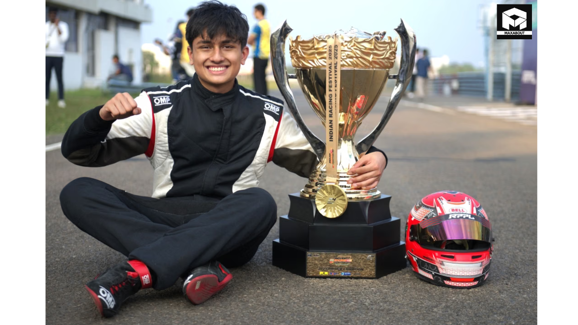
Numbers and specifications only tell part of the story. What really determines success at events like Valley Run is the synergy between pilot and machine.
Driver and Rider Confidence
Both the GT-R and H2 inspire a particular kind of confidence. They're powerful enough to intimidate, yet refined enough to feel approachable. That balance lets skilled drivers and riders push harder than they might in less forgiving machines.
The GT-R's computer systems work invisibly in the background, managing dozens of parameters every second. You feel fast, but the car keeps you from making catastrophic mistakes. Similarly, the H2's electronics act as a safety net, catching slides before they become crashes.
Experience Requirements
That said, neither machine is for beginners. The GT-R demands respect for its weight and momentum – it's nearly 4,000 pounds moving very quickly. The H2 requires smooth throttle control and an understanding of how supercharged power delivery differs from naturally aspirated bikes.
According to various rider testimonials and reviews, the learning curve on the H2 is steep but manageable for experienced sportbike riders. The GT-R, meanwhile, has a reputation for making good drivers look great and great drivers look superhuman.
What This Means for Enthusiasts
The Valley Run 2025 results reinforce something I've believed for years: sometimes the established champions remain champions for good reason.
Value Proposition
Both vehicles represent significant investments, but they deliver performance that rivals or exceeds machines costing considerably more. The GT-R starts around $115,000, while the Ninja H2 comes in around $30,000 – serious money, but remarkable value considering what you're getting.
Proven Reliability
These aren't fragile exotics requiring constant maintenance. Both Nissan and Kawasaki have demonstrated that extreme performance can coexist with reasonable reliability. Owner forums for both vehicles show examples with high mileage still performing at or near factory specifications.
Community and Support
There's something to be said for choosing popular platforms. The GT-R and H2 both benefit from extensive aftermarket support, active owner communities, and widespread parts availability. If something does go wrong, you're not hunting for a specialist – most performance shops can handle basic maintenance and repairs.
Frequently Asked Questions
Can the Nissan GT-R really be driven in winter conditions?
Absolutely. With appropriate winter tires, the GT-R's AWD system makes it surprisingly capable in snow and ice. Many owners in northern climates report using their GT-Rs year-round. The key is tire choice – the performance summer tires it ships with are dangerous below 40°F, but proper winter rubber transforms its cold-weather capability.
Is the Kawasaki Ninja H2 suitable for street riding?
The street-legal H2 is designed for road use, though it's definitely at the extreme end of the performance spectrum. It requires rider skill and maturity to manage safely. The bike is surprisingly docile in lower power modes, but unleashing full power demands respect and experience. It's not a beginner bike by any stretch.
How much does maintenance cost for these vehicles?
The GT-R requires specialized service and isn't cheap to maintain – expect several thousand dollars annually for routine maintenance. Oil changes alone can run $200-300 due to the specific oil requirements and quantities needed. The H2 is more manageable but still requires premium care, with valve adjustments and other service running higher than typical sportbikes.
What modifications do winners typically run at Valley Run events?
This varies significantly by event rules and participant preferences. Many competitive GT-Rs run modified turbos, upgraded intercoolers, and tuned ECUs, potentially pushing 800-1,000+ horsepower. H2s often feature exhaust modifications, ECU flashing, and sometimes upgraded supercharger pulleys. However, many participants also compete with mostly stock vehicles, relying on driver/rider skill over modifications.
Are there newer models that might challenge these champions?
Absolutely. The automotive and motorcycle worlds never stand still. Cars like the new Corvette Z06, various Porsche 911 variants, and potentially the upcoming Nissan Z NISMO could challenge the GT-R. On the motorcycle side, bikes like the Ducati Superleggera V4 or BMW M 1000 RR offer comparable or superior performance. However, the GT-R and H2 have proven their capabilities repeatedly, and experience with a platform counts for a lot in these events.
Looking Forward: What's Next for These Champions
The GT-R is getting long in the tooth by automotive standards – the basic platform has been around since 2007, though it's received continuous updates. Nissan has confirmed a next-generation GT-R is in development, likely featuring hybrid technology and even more power. The current model's victory at Valley Run 2025 demonstrates it's still got plenty of fight left.
Kawasaki continues refining the H2 platform with annual updates and special editions. The supercharged engine format gives them room to play with power levels and tuning, potentially extracting even more performance as materials and electronics improve.
What's certain is that both machines have cemented their places in automotive and motorcycle history. Victories like this only add to their legendary status.
Final Thoughts
The Valley Run 2025 Winter Edition results remind us why certain machines become icons. The Nissan GT-R and Kawasaki Ninja H2 didn't win just because they're fast – though they certainly are. They won because they represent the complete package: power, technology, reliability, and that indefinable quality that separates good from great.
What impresses me most is how these vehicles remain relevant years after their initial introduction. In a world of constant one-upmanship and ever-increasing specifications, the GT-R and H2 continue proving that a well-executed concept beats flashy newcomers.
For enthusiasts considering either machine, these results should provide confidence. You're not just buying speed – you're buying proven performance backed by real-world results. Whether you're planning to compete in events like Valley Run or simply want the thrill of owning a legendary machine, both the GT-R and H2 deliver.
And honestly? That's what it's all about. The numbers matter, the technology impresses, but ultimately these machines succeed because they deliver an experience. They make you feel something. They turn ordinary drives or rides into events. They remind you why you fell in love with performance vehicles in the first place.
The Valley Run 2025 Winter Edition simply confirmed what enthusiasts already knew: when conditions get tough and the pressure is on, proven champions rise to the occasion. Here's to
Explore the story
Related news

Share your view and join the discussion.
Earn reward points for every comment and get a chance to win ₹1,000 in our weekly lucky draw. Sign in with Google in one tap.
Start the conversation
No one has commented on this article yet. Be the first to share your view.
Want to read more automotive news?
Stay updated with the latest car launches, reviews, and industry insights.
Browse All News