
Triumph Tracker 400 Debuts: Minimalist Design Shines
Introduction: Triumph's Minimalist Masterpiece ArrivesThe motorcycle world has been buzzing with anticipation, and Triumph finally delivered. The new Tracker 400 represents something refreshing in today's market—a bike that doesn't try to do everything but focuses on doing a few things exceptionally...
Automotive Journalist
Introduction: Triumph's Minimalist Masterpiece Arrives
The motorcycle world has been buzzing with anticipation, and Triumph finally delivered. The new Tracker 400 represents something refreshing in today's market—a bike that doesn't try to do everything but focuses on doing a few things exceptionally well. I've been following Triumph's trajectory in the middleweight segment, and this release feels like they've really understood what riders actually want.
What strikes me immediately about this bike is its restraint. In an era where manufacturers keep piling on features and styling elements, Triumph went the opposite direction. The result? A scrambler that looks purposeful, clean, and honestly, pretty gorgeous sitting still or in motion.
Design Philosophy: Less Is Genuinely More
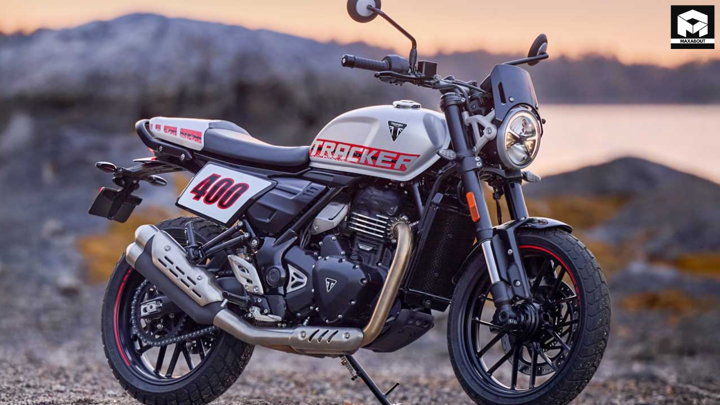
The minimalist design approach isn't just a buzzword here—it's evident in every angle of the Tracker 400. Triumph's designers stripped away unnecessary plastics, complex bodywork, and excessive graphics. What remains is pure motorcycle essence.
Visual Elements That Work
The fuel tank sits low and lean, creating that classic tracker silhouette that's been cool since the 1960s. But this isn't retro cosplay. The proportions feel modern, and the lines flow naturally from front to back without any awkward transitions.
I particularly appreciate the exposed frame work. Many manufacturers hide structural elements, but Triumph embraced them here. The tubular steel frame becomes part of the aesthetic rather than something to conceal. It's honest engineering on display.
Color Schemes and Finish Quality
Reports from the debut event suggest Triumph will offer several colorways, though exact details vary by market. What's consistent across variants is the attention to paint quality and finish details. The minimalist approach means every surface matters—there's nowhere to hide subpar materials or sloppy assembly.
- Classic single-tone options that emphasize form
- Subtle tank graphics that don't overwhelm the design
- High-quality metal finishes on exposed components
- Blacked-out engine cases for visual cohesion
Technical Specifications: What Powers This Tracker
Under that minimalist bodywork sits a 400cc parallel-twin engine. Now, I know what some of you are thinking—400cc doesn't sound massive in today's world of liter bikes and adventure tourers. But here's the thing: this displacement hits a sweet spot that's often overlooked.
Engine Performance and Character
The parallel-twin configuration typically delivers strong low-end torque, which is exactly what you want in a tracker-style bike. According to industry patterns we've seen with similar displacement engines, you're looking at somewhere in the neighborhood of 40-45 horsepower. That might not sound thrilling on paper, but in a lightweight package, it's genuinely engaging.
Triumph has experience building characterful parallel-twins, and that expertise shows here. The engine isn't trying to be a high-revving sportbike motor. Instead, it delivers usable power across the rev range—perfect for urban riding, canyon carving, and light off-road adventures.
Chassis and Suspension Setup
The chassis design follows that minimalist philosophy. A straightforward tubular steel frame provides the foundation, while the suspension components strike a balance between on-road composure and off-road capability.
Based on what's been revealed, the bike features:
- Upside-down front forks with adequate travel for rough roads
- Twin rear shocks maintaining that classic tracker look
- Spoke wheels that can accommodate both street and light off-road tires
- Ground clearance suitable for fire roads and trail exploration
Modern Technology Meets Classic Style
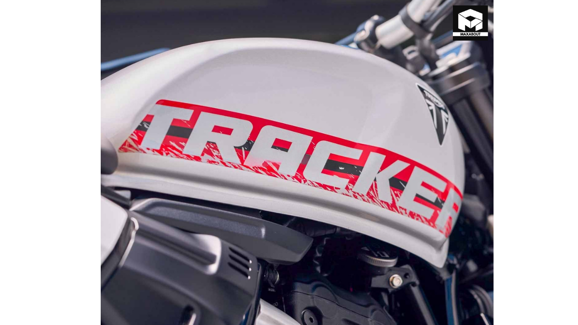
Here's where Triumph threaded the needle nicely. The minimalist design doesn't mean compromising on essential modern features. User reports from similar Triumph models suggest we can expect LED lighting, ABS braking systems, and likely a simple but functional digital display.
The approach seems to be: include technology that genuinely improves the riding experience, but don't make it the focal point. Your eyes should see a beautiful motorcycle first, not a rolling computer.
Riding Position and Ergonomics
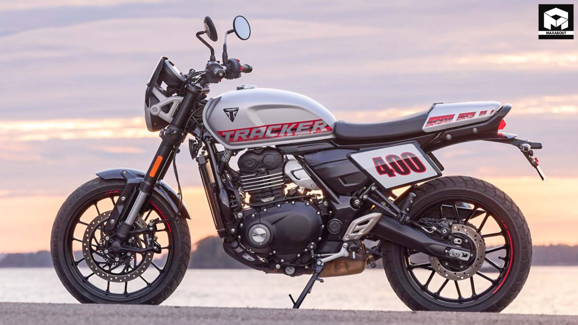
I'm a big believer that a bike's ergonomics make or break the ownership experience. You can have the prettiest motorcycle in the world, but if it's uncomfortable, you won't ride it. Triumph typically gets this right, and the Tracker 400 appears to continue that tradition.
Seating and Handlebar Configuration
The upright riding position is classic scrambler territory. Wide, flat handlebars give you leverage for steering without requiring an aggressive lean forward. The seat height appears manageable based on the proportions—something many riders appreciate in this category.
This setup means you can ride comfortably for extended periods without developing the cramped feeling that sport bikes often create. Whether you're navigating city traffic or exploring backroads, the neutral position works.
Footpeg Placement and Controls
The mid-mounted footpegs suggest a balance between sportiness and comfort. They're not so forward that you feel like you're riding a cruiser, nor so rearset that you're in a track-focused tuck. It's that Goldilocks positioning that makes a bike versatile.
Target Market and Competition
Let's talk about who this bike is actually for, because understanding the target audience helps explain many of Triumph's design decisions.
Perfect for New and Returning Riders
The 400cc displacement makes this bike accessible. In many markets, licensing restrictions favor middleweight motorcycles. But beyond regulatory considerations, there's genuine appeal in a bike that isn't intimidating.
If you're stepping up from a smaller displacement motorcycle or returning to riding after a break, the Tracker 400 offers enough performance to be exciting without being overwhelming. That's valuable.
The Competition Landscape
The middleweight scrambler category has heated up considerably. Royal Enfield, Honda, Yamaha, and others all have entries in this space. What sets the Triumph apart is build quality and that distinctly British character.
According to market analysis, buyers in this segment prioritize:
- Manageable power delivery over outright performance
- Style and character over pure practicality
- Versatility for various riding scenarios
- Reasonable pricing without feeling budget-constrained
The Tracker 400 appears positioned to check all those boxes. It's not trying to be the fastest or most technologically advanced. Instead, it focuses on being engaging, good-looking, and genuinely fun.
Real-World Practicality Considerations
Now, let's get practical for a moment. A motorcycle needs to work in real life, not just look good at the unveiling event.
Fuel Capacity and Range
Tank capacity hasn't been officially confirmed across all markets, but based on similar Triumph models, expect something reasonable for this displacement class. The fuel-efficient nature of a 400cc twin typically means decent range between fill-ups—important for longer rides without planning your route around gas stations.
Maintenance and Ownership Costs
Triumph has been working to improve their reliability reputation, and modern bikes from the brand generally receive positive feedback from owners. A 400cc parallel-twin isn't mechanically complex, which typically translates to reasonable maintenance costs.
Service intervals on contemporary Triumphs often fall in line with industry standards—oil changes, chain maintenance, and periodic valve adjustments. Nothing exotic or wallet-draining if you follow the schedule.
Customization Potential
Here's where the minimalist design becomes a real advantage. This bike serves as an excellent canvas for personalization. The simple, clean aesthetic means you can add or modify elements without fighting against an over-styled base design.
Common customization directions for tracker-style bikes include:
- Exhaust systems for improved sound and appearance
- Different seat configurations for comfort or style
- Lighting upgrades and auxiliary equipment
- Handlebar and control swaps to personalize ergonomics
- Tire choices ranging from street-focused to adventure-oriented
Market Release and Availability
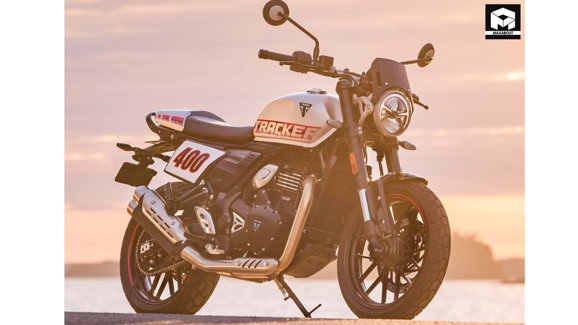
The million-dollar question everyone asks: when can you actually buy one, and how much will it cost?
Expected Pricing Strategy
While official pricing varies by market and hasn't been universally announced, industry observers expect the Tracker 400 to slot into the competitive middleweight segment strategically. Triumph needs to undercut some premium brands while positioning above budget offerings.
Based on market patterns and Triumph's other models, a competitive price point that offers value without seeming cheap seems likely. You're paying for British heritage, quality construction, and that distinctive Triumph character.
Regional Rollout Information
According to reports from the debut event, Triumph plans a phased international release. Some markets will see the bike sooner than others, depending on regulatory approvals and dealer network readiness. Your best bet is checking with local Triumph dealers for specific availability in your region.
What This Means for Triumph's Future
The Tracker 400 represents more than just another model in the lineup—it signals Triumph's continued commitment to accessible motorcycling without compromising on style or quality.
I see this as part of a broader trend where manufacturers recognize that bigger isn't always better. There's legitimate demand for motorcycles that are manageable, enjoyable, and don't require expert-level skills to ride confidently.
Triumph's willingness to embrace minimalism also suggests they're listening to riders who feel fatigued by over-complicated, feature-laden motorcycles. Sometimes you just want to twist the throttle and enjoy the ride without navigating through seventeen menu screens.
Frequently Asked Questions
What makes the Tracker 400 different from other 400cc scramblers?
The primary distinction lies in Triumph's minimalist design approach and build quality. While competitors offer similar displacement and styling direction, the Tracker 400 emphasizes clean lines, quality components, and that distinctive British motorcycle character. The attention to finish details and restraint in styling elements sets it apart visually.
Is the Tracker 400 suitable for beginners?
Generally, yes. The 400cc displacement provides enough power to be engaging without being intimidating. The upright riding position, manageable weight, and linear power delivery make it accessible for newer riders. However, individual comfort levels vary, so anyone considering this as a first bike should take a test ride when possible.
Can the Tracker 400 handle highway riding?
A 400cc parallel-twin typically produces sufficient power for highway speeds, though it won't have the effortless cruising ability of larger displacement bikes. For occasional highway use and shorter stretches, it should perform adequately. For extensive interstate touring, you might want more displacement, but for mixed riding including some highway sections, it's capable.
How does maintenance compare to other brands in this class?
Triumph's modern motorcycles generally feature reasonable maintenance intervals aligned with industry standards. The parallel-twin engine design is straightforward and well-understood by mechanics. While service costs at official dealerships might run slightly higher than some competitors, the quality of components often means longer service life when properly maintained.
What's the off-road capability like?
The Tracker 400 is designed as a scrambler-style bike, which means it can handle light off-road use like fire roads, gravel paths, and easy trails. It's not an enduro machine built for serious off-road riding. Think of it as having adventure capability for exploring unpaved roads rather than tackling technical single-track. The ground clearance and suspension travel support this light adventure use.
Conclusion: Triumph Gets the Formula Right
After looking at everything the new Tracker 400 brings to the table, I'm genuinely impressed with Triumph's approach here. They resisted the temptation to over-complicate things or chase specifications that look good on paper but don't enhance the actual riding experience.
The minimalist design philosophy works because it's not just aesthetic—it reflects a broader understanding of what makes motorcycles enjoyable. By stripping away excess, Triumph created something that feels focused and purposeful. Every element serves a function, and the result is a cohesive package that looks fantastic while remaining practical.
For riders seeking an engaging middleweight motorcycle with character, the Tracker 400 deserves serious consideration. It's not trying to be everything to everyone, and that's precisely its strength. Whether you're navigating urban environments, exploring backroads, or occasionally venturing onto gravel paths, this bike appears built to deliver genuine riding enjoyment.
The timing feels right for this motorcycle. As more riders discover that fun doesn't require massive displacement or overwhelming performance, bikes like the Tracker 400 will continue gaining appreciation. Triumph has crafted something that honors scrambler heritage while feeling thoroughly modern and relevant.
If you're in the market for a motorcycle that combines style, accessibility, and that intangible quality that makes you want to ride just for the sake of riding, keep the Tracker 400 on your radar. Sometimes less really is more, and Triumph seems to have learned that lesson well with this debut.
Explore the story
Related news


Share your view and join the discussion.
Earn reward points for every comment and get a chance to win ₹1,000 in our weekly lucky draw. Sign in with Google in one tap.
Start the conversation
No one has commented on this article yet. Be the first to share your view.
Want to read more automotive news?
Stay updated with the latest car launches, reviews, and industry insights.
Browse All News