
Mercedes GLB SUV India 2025: Petrol vs Diesel vs EV Comparison
Mercedes-Benz has finally taken the wraps off the updated GLB SUV, and I've got to say, this is one of those launches that makes perfect sense for India. The compact luxury SUV segment is heating up, and Mercedes isn't about to let its competitors have all the fun. What's particularly interesting he...
Mercedes-Benz has finally taken the wraps off the updated GLB SUV, and I've got to say, this is one of those launches that makes perfect sense for India. The compact luxury SUV segment is heating up, and Mercedes isn't about to let its competitors have all the fun. What's particularly interesting here is the powertrain diversity – petrol, diesel, and electric. That's the kind of flexibility Indian buyers have been asking for.
What's New With the Mercedes GLB Facelift
The facelifted GLB doesn't reinvent the wheel, but it doesn't need to. Mercedes has smartly focused on refining what already works while addressing some of the shortcomings of the outgoing model.
Exterior Updates That Matter
From what I've seen in the official images, the design changes are subtle yet effective. The front fascia gets a revised grille that's more angular and aggressive than before. The headlights are sleeker with updated LED graphics, giving the GLB a more modern appearance that aligns better with Mercedes' current design language.
The rear sees tweaked taillights with new LED signatures. It's not a dramatic transformation, but it freshens things up enough to distinguish the new model from the previous generation. The bumpers front and back have been redesigned too, adding a bit more visual muscle to what's essentially a family hauler.
Interior Tech Gets a Much-Needed Boost
Here's where things get interesting. The cabin receives Mercedes' latest MBUX infotainment system with a larger touchscreen display. According to industry reports, the system is noticeably more responsive and intuitive than the previous setup.
The digital instrument cluster has been upgraded as well, offering more customization options and crisper graphics. Mercedes has also improved the ambient lighting system with more color options – because apparently, we all need 64 different shades to choose our mood lighting.
Material quality appears to have improved based on the official photos. The dashboard layout remains familiar, which is good news if you're stepping up from an older Mercedes. The learning curve shouldn't be steep.
Powertrain Options: Something for Everyone
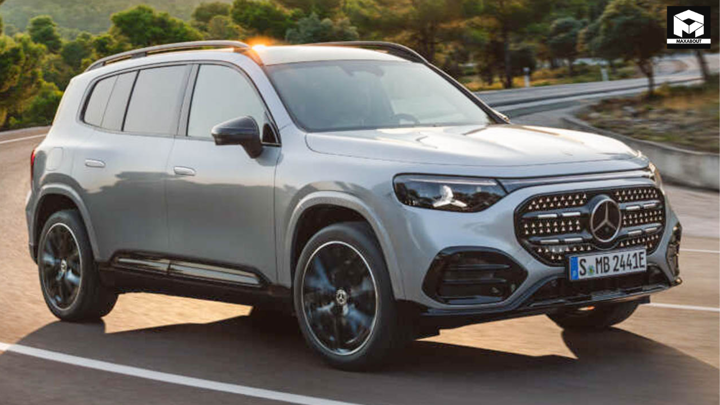
This is where Mercedes has played it smart. Offering multiple powertrain options means they're not putting all their eggs in one basket, especially in a market as diverse as India.
Petrol Variants
The GLB will likely come with a 2.0-liter turbocharged petrol engine producing around 190-220 horsepower, depending on the variant. This engine has proven itself across multiple Mercedes models, and it typically offers a good balance between performance and fuel efficiency.
Reports suggest the petrol mill will be paired with an 8-speed dual-clutch automatic transmission. Based on how this combination performs in other Mercedes models, expect smooth power delivery and decent fuel economy for a vehicle of this size.
Diesel Option for Long-Distance Cruisers
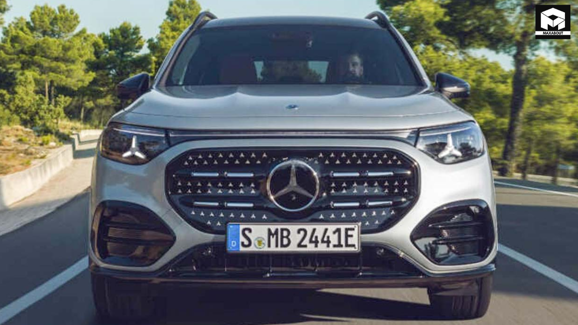
Let's be honest – diesel isn't dead in India, especially in the luxury segment. The GLB should get a 2.0-liter diesel engine pumping out approximately 190 horsepower and substantial torque. This is the one I'd recommend for anyone doing serious highway miles or planning long road trips.
Indian buyers still value diesel for its fuel efficiency and low-end torque, particularly in larger vehicles. Mercedes knows this, which is why they're not abandoning the oil-burner just yet.
The EQB: Electric Alternative
The electric version, badged as EQB, is particularly intriguing. While specific specs for the India-spec model haven't been confirmed, the global version typically offers around 288 horsepower in dual-motor configuration with a driving range exceeding 400 kilometers on a single charge.
Here's the thing though – the EQB will likely command a significant premium over the combustion-engine variants. The question is whether Indian buyers are ready to pay that premium for a compact electric SUV when charging infrastructure is still developing.
Seven Seats in a Compact Package
One of the GLB's biggest selling points remains its three-row seating configuration. Finding a genuinely premium seven-seater in this size category is tough. The Volvo XC90 is much larger and pricier, while the BMW X1 and Audi Q3 are strictly five-seaters.
Now, let's be realistic – that third row is best suited for kids or short trips. Adults won't want to spend hours back there. But for families who occasionally need those extra seats for school runs or short city drives, it's a genuine advantage.
The second-row seats slide and recline, which helps with third-row access and allows you to balance passenger comfort with cargo space based on your needs. It's this kind of flexibility that makes the GLB practical for Indian families.
Expected Features and Technology
Mercedes typically loads its India-spec models with features, and the GLB should be no exception. Here's what we can reasonably expect:
- MBUX infotainment system with voice control and "Hey Mercedes" wake word
- Digital instrument cluster with multiple display modes
- Panoramic sunroof – practically mandatory in this segment
- Advanced driver assistance systems including adaptive cruise control and lane-keeping assist
- Wireless smartphone charging and connectivity features
- Premium sound system – likely a Burmester setup in higher variants
- Multiple airbags and comprehensive safety equipment
- LED headlights and taillights across the range
- Multiple driving modes to adjust performance and efficiency
Competition and Market Positioning
The luxury compact SUV space in India is getting crowded, which is great news for buyers. The GLB will square off against some serious competitors.
BMW X1
The new X1 has raised the bar significantly with its latest generation. It's spacious, well-equipped, and drives beautifully. However, it only seats five. If you need those extra seats, the GLB has a clear advantage.
Audi Q3
The Q3 offers sharp styling and a premium cabin but also sticks to five seats. It's typically priced competitively, which could put pressure on Mercedes' pricing strategy for the GLB.
Volvo XC60
Slightly larger and positioned a bit higher, the XC60 emphasizes safety and Scandinavian minimalism. It's a different proposition but still competes for the same buyer's attention and wallet.
Pricing Expectations for India
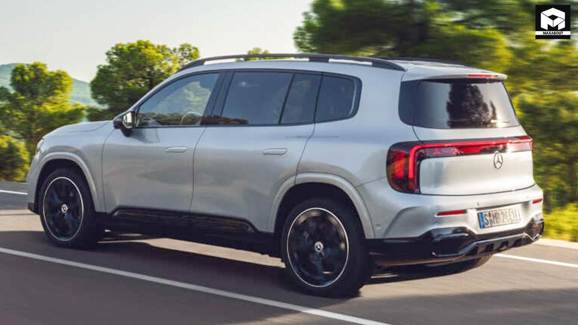
While official pricing hasn't been announced, we can make educated guesses based on market positioning and competitor pricing. The GLB will likely start around ₹55-60 lakhs for the base petrol variant, with diesel variants commanding a premium of approximately ₹2-3 lakhs.
The EQB electric version could easily touch ₹70-75 lakhs or more, considering the battery technology and electric powertrain costs. That's a significant investment, and it'll be interesting to see how many buyers opt for electrons over combustion.
Mercedes will likely offer multiple trim levels, with the top-spec variants potentially crossing ₹75-80 lakhs. At that price point, you're getting serious luxury and technology, but you're also paying a premium for the three-pointed star.
What It Means for Indian Buyers
The updated GLB addresses a specific need in the Indian market – families wanting genuine luxury with practical seven-seat capability in a relatively compact footprint. Mumbai and Bangalore traffic doesn't forgive large SUVs, but you still want something premium that can handle the occasional outstation trip with the entire family.
The availability of petrol, diesel, and electric powertrains gives buyers genuine choice based on their driving patterns and environmental priorities. That's not something you see across the board in this segment.
Build quality and after-sales service will be crucial. Mercedes has an extensive network in India, but luxury car ownership here comes with its own challenges – parts availability, service costs, and long-term reliability all matter significantly.
Launch Timeline and Availability
Based on typical timelines between global reveals and India launches, expect the new GLB to arrive in Indian showrooms by mid to late 2025. Mercedes usually takes a few months to localize features and set up production or import logistics.
The petrol and diesel variants will likely arrive first, with the EQB possibly following a few months later. This staggered approach allows Mercedes to gauge market response and adjust strategy based on initial demand.
Frequently Asked Questions
When will the new Mercedes GLB launch in India?
The new GLB is expected to launch in India by mid to late 2025, following its global debut. Mercedes typically takes several months to prepare for the Indian market launch.
Will the Mercedes GLB be available as an electric vehicle in India?
Yes, the electric EQB variant should be available in India, though it may arrive slightly later than the petrol and diesel versions and will command a significant price premium.
How many seats does the Mercedes GLB have?
The GLB features three-row seating with seven seats as standard. The second row slides and reclines to provide third-row access and flexibility in cargo management.
What is the expected price of the Mercedes GLB in India?
Pricing hasn't been officially announced, but the GLB is expected to start around ₹55-60 lakhs for petrol variants, with diesel versions slightly higher and the electric EQB potentially reaching ₹70-75 lakhs.
What are the main competitors of the Mercedes GLB in India?
The GLB will compete primarily against the BMW X1, Audi Q3, and Volvo XC60. However, the GLB's unique seven-seat configuration gives it an advantage over its five-seat competitors.
Will the Mercedes GLB offer AWD in India?
While not confirmed, Mercedes typically offers 4MATIC all-wheel drive in higher variants of its SUVs. Expect at least some variants to feature AWD, particularly in diesel and electric versions.
Conclusion
The updated Mercedes GLB arrives at an interesting time for the Indian luxury car market. Buyers are becoming more discerning, demanding genuine value alongside the prestige of a premium badge. The GLB's combination of practical seven-seat capability, multiple powertrain options, and updated technology gives it a fighting chance in this competitive segment.
What I appreciate most about this launch is the flexibility Mercedes is offering. Whether you're a traditional buyer who wants diesel torque for highway cruising, someone interested in smooth petrol power for city driving, or an early adopter ready to go electric, there's a GLB for you. That's smart product planning.
The real test will be pricing and how well Mercedes positions the GLB against its established competitors. The BMW X1 has set a high benchmark, and Audi has been aggressive with Q3 pricing. Mercedes needs to find that sweet spot where the GLB's unique seven-seat proposition justifies any price premium.
For families who've been struggling to find a compact luxury SUV that can actually seat seven people without feeling like a compromise, the GLB deserves serious consideration. Just make sure you test drive all the competitors and crunch the numbers on total cost of ownership. In the luxury segment, the purchase price is just the beginning of your financial commitment.
Explore the story
Related news
Share your view and join the discussion.
Earn reward points for every comment and get a chance to win ₹1,000 in our weekly lucky draw. Sign in with Google in one tap.
Start the conversation
No one has commented on this article yet. Be the first to share your view.
Want to read more automotive news?
Stay updated with the latest car launches, reviews, and industry insights.
Browse All News