
MG Hector Facelift: Rs 11.99 Lakh Starts – Worth It?
MG Motor has just dropped the refreshed Hector in the Indian market, and honestly, it's about time. The SUV segment has gotten brutally competitive lately, and the British-born, Chinese-owned brand needed to keep its bestseller fresh. With prices starting at Rs. 11.99 lakh (ex-showroom), the updated...
By Nitin Dhiman
Automotive Writer
MG Motor has just dropped the refreshed Hector in the Indian market, and honestly, it's about time. The SUV segment has gotten brutally competitive lately, and the British-born, Chinese-owned brand needed to keep its bestseller fresh. With prices starting at Rs. 11.99 lakh (ex-showroom), the updated Hector aims to reclaim its spot as a value-for-money champion in the mid-size SUV space.
Let me walk you through what's new, what's improved, and whether this facelift deserves your attention.
What's New in the MG Hector Facelift?
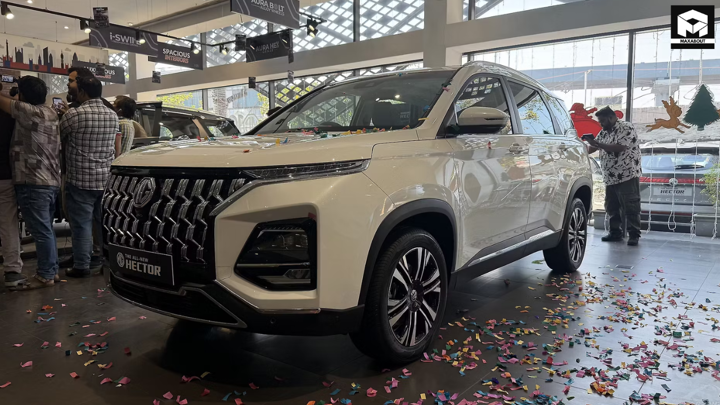
The changes aren't revolutionary, but they're significant enough to make the Hector feel contemporary again. MG has focused on three key areas: design refinement, feature additions, and subtle mechanical tweaks.
Exterior Design Updates
The front fascia gets the most attention here. MG has introduced a redesigned grille that's larger and more imposing. The headlamp cluster has been reworked too, incorporating sleeker LED units that give the Hector a sharper look. I've noticed that automotive manufacturers often use front-end updates to create maximum visual impact without overhauling the entire design—and that's precisely what MG has done here.
The bumper design is more aggressive now, with reprofiled fog lamp housings and updated air intake sections. Around the sides, you'll spot new alloy wheel designs depending on the variant you choose. The rear gets subtle tweaks including refreshed LED tail lamps and a slightly modified bumper.
Interior and Feature Enhancements
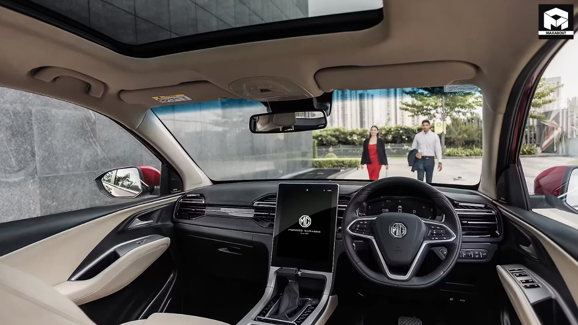
Step inside, and the changes become more apparent. The cabin layout remains familiar, but MG has upgraded materials in key touchpoints. The dashboard gets soft-touch plastics in more areas, and the overall fit-and-finish feels tighter than before.
Here's where it gets interesting:
- Updated infotainment system: The massive touchscreen gets new software with improved response times
- Enhanced connectivity features: Over-the-air updates and expanded voice command functionality
- Revised instrument cluster: Better graphics and more customization options
- Improved ADAS features: Advanced driver assistance systems on higher variants
- Panoramic sunroof: Carried over but remains a major selling point
- Ambient lighting: Now available across more variants
The second row continues to offer generous space—something the Hector has always been good at. Legroom and headroom remain class-leading, making it genuinely comfortable for three adults on longer journeys.
MG Hector Facelift Variants and Pricing Breakdown
MG has structured the lineup to cater to different buyer segments. The pricing is competitive, though it's crept up slightly compared to the outgoing model.
Petrol Variants
The 1.5-litre turbo-petrol engine continues with both manual and CVT options. This motor produces around 143 PS and 250 Nm of torque—adequate for daily driving and highway cruising, though don't expect it to pin you back in your seat. According to widespread user feedback on automotive forums, this engine offers decent refinement but can feel strained when fully loaded.
Diesel Variants
The 2.0-litre diesel remains the torque monster in the lineup, delivering approximately 170 PS and a meaty 350 Nm. This is the variant I'd recommend if you clock serious highway miles. Diesel engines in this segment typically offer better drivability and fuel efficiency for long-distance travel, and the Hector's oil-burner is no exception.
Price Positioning
Starting at Rs. 11.99 lakh for the base variant and going up to approximately Rs. 19.99 lakh for the top-spec model, the Hector sits in a hotly contested price bracket. You're competing with the Hyundai Creta, Kia Seltos, Volkswagen Taigun, Skoda Kushaq, and even the Maruti Grand Vitara.
The value proposition here is clear: you get more metal, more space, and more features for your money compared to some rivals. But that also means a larger footprint and slightly higher running costs.
Performance and Driving Dynamics
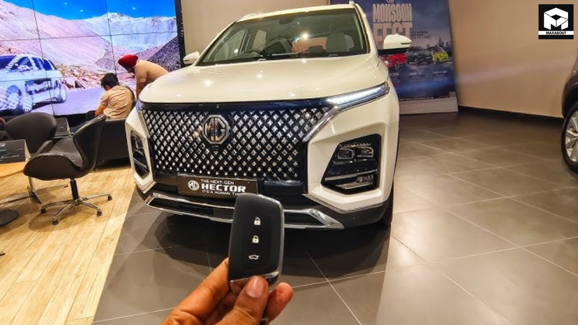
Let's be real—the Hector has never been a driver's SUV, and this facelift doesn't change that equation. What it does offer is comfortable, relaxed cruising with adequate power for most situations.
Engine Performance
The petrol engine feels refined at city speeds but becomes vocal when you push it hard. The CVT gearbox is smooth for urban commuting but can get a bit hesitant during aggressive overtaking maneuvers. This is a common characteristic of CVT transmissions in this segment—they prioritize smoothness over sportiness.
The diesel engine is the sweeter option for power delivery. It offers better mid-range punch, making highway overtakes more confident. The six-speed manual transmission is well-matched to this engine, though I've seen reports suggesting the clutch can feel heavy in bumper-to-bumper traffic.
Ride and Handling
MG has tuned the Hector for comfort, and it shows. The suspension setup absorbs broken roads reasonably well, though sharp bumps can send some jolts through the cabin. Body roll is present during spirited cornering—expected in an SUV of this size and height.
Steering feel is light, making parking easier but offering little feedback at higher speeds. If you're coming from a more dynamically tuned vehicle, the Hector might feel a bit disconnected. But for families prioritizing comfort over corner-carving abilities, this setup makes perfect sense.
Technology and Connectivity Features
This is where MG has historically differentiated itself, and the facelift continues that tradition.
Infotainment System
The large vertical touchscreen remains a centerpiece. It runs MG's latest software with improved processing power, meaning fewer lags and crashes compared to earlier iterations. Industry feedback suggests that previous versions occasionally suffered from software glitches—something MG appears to have addressed.
The system includes:
- Apple CarPlay and Android Auto (wireless on higher variants)
- Connected car features with smartphone app integration
- Voice commands for various functions
- Navigation with real-time traffic updates
- Over-the-air software updates
Advanced Safety Features
Higher variants get Level 2 ADAS technology, which includes adaptive cruise control, lane keep assist, and automatic emergency braking. These systems have become increasingly common in this segment, and it's good to see MG keeping pace.
Standard safety equipment includes multiple airbags, ABS with EBD, electronic stability control, hill hold assist, and a 360-degree camera on top variants. The camera quality is decent, though not class-leading—adequate for parking assistance in tight spots.
Fuel Efficiency and Running Costs
Real-world fuel efficiency varies significantly based on driving conditions and style. Based on widely reported user experiences, here's what you can typically expect:
Petrol Engine
City driving usually yields around 9-11 km/l, while highway runs can stretch that to 13-15 km/l with the manual transmission. The CVT tends to be slightly less efficient, particularly in stop-and-go traffic where it can drop to 8-10 km/l.
Diesel Engine
The diesel delivers better numbers—expect 11-13 km/l in city conditions and 16-18 km/l on highways. This makes it the more economical choice if you're covering serious distances annually.
Service and Maintenance
MG's service network has expanded considerably since the brand's India debut, though it still doesn't match the reach of established Japanese or Korean manufacturers. Service costs are competitive for the segment, and the brand offers decent warranty coverage. However, I'd recommend verifying service center availability in your city before committing, especially if you live in tier-2 or tier-3 towns.
How Does It Compare to Rivals?
The mid-size SUV segment is absolutely packed, and each competitor brings something unique to the table.
Against the Hyundai Creta
The Creta is more refined, has a stronger brand reputation, and offers better resale value. However, the Hector counters with more space, a larger feature list at comparable price points, and that massive screen. If brand perception and resale matter most, the Creta edges ahead. If you want maximum bang for your buck, the Hector deserves consideration.
Against the Kia Seltos
Similar story—the Seltos offers sharper styling, better driving dynamics, and stronger brand appeal. The Hector fights back with more interior room and aggressive pricing on lower variants.
Against the Volkswagen Taigun and Skoda Kushaq
The German twins offer superior build quality, better driving dynamics, and more engaging turbocharged petrol engines. But they're smaller inside and more expensive for equivalent feature sets. These are driver-focused SUVs, while the Hector is family-focused.
Against the Maruti Grand Vitara
The Grand Vitara brings Maruti's unbeatable service network and strong hybrid technology. The Hector counters with more premium positioning, better features, and more road presence. Your choice depends on whether you prioritize service convenience or feature richness.
Who Should Buy the MG Hector Facelift?
The updated Hector makes most sense for specific buyer profiles.
Ideal Buyers
You should seriously consider the Hector if you:
- Prioritize interior space and rear-seat comfort
- Want maximum features for your budget
- Prefer commanding road presence and SUV styling
- Don't mind a softer driving experience
- Have access to good MG service support in your area
- Plan to keep the vehicle for personal use rather than early resale
Who Should Look Elsewhere
The Hector might not be your best bet if you:
- Prioritize driving dynamics and handling precision
- Need the absolute strongest resale value
- Live in areas with limited MG service infrastructure
- Prefer compact dimensions for urban maneuverability
- Want a sportier, more engaging SUV experience
Final Thoughts: Is the Hector Facelift Worth It?
MG has done what facelifts are supposed to do—keep the product fresh without reinventing the wheel. The updated Hector addresses some previous concerns while building on existing strengths.
The value proposition remains strong. You're getting a spacious, feature-loaded SUV with decent engines and a commanding presence. The starting price of Rs. 11.99 lakh makes it accessible, while top variants remain competitive even when loaded with features.
However, this isn't a perfect vehicle. The driving dynamics won't thrill enthusiasts, the brand perception isn't as strong as Korean or Japanese rivals, and resale values typically don't match segment leaders. The service network, while improving, still lags behind established players.
But here's the thing—if you're shopping with your head rather than your heart, focusing on practical family needs rather than badge value, the Hector facelift delivers. It's a sensible choice for buyers who want maximum space and features without stretching their budget into premium territory.
The mid-size SUV segment offers something for everyone. The Hector's niche is clear: practical, spacious, and tech-loaded transportation for families who value substance over badge snobbery. And at Rs. 11.99 lakh to start, it's certainly priced to compete.
Whether it's the right choice for you depends on what you prioritize. Test drive it alongside rivals, check service center proximity, and decide based on your specific needs rather than brand perception alone. That's how you'll find the SUV that actually fits your life, not just your Instagram feed.
Explore the story
Related news
Share your view and join the discussion.
Earn reward points for every comment and get a chance to win ₹1,000 in our weekly lucky draw. Sign in with Google in one tap.
Start the conversation
No one has commented on this article yet. Be the first to share your view.
Want to read more automotive news?
Stay updated with the latest car launches, reviews, and industry insights.
Browse All News