
Mahindra XEV 9S Launched in India: Prices Start at Rs. 19.95 Lakh
Mahindra just dropped a bomb in India's electric vehicle market. The XEV 9S is here, and it's turning heads with its starting price of Rs. 19.95 lakh (ex-showroom). This isn't just another SUV with a battery slapped in—it's Mahindra's serious attempt at creating a lifestyle electric vehicle that doe...
By niki patel
Automotive Writer
Mahindra just dropped a bomb in India's electric vehicle market. The XEV 9S is here, and it's turning heads with its starting price of Rs. 19.95 lakh (ex-showroom). This isn't just another SUV with a battery slapped in—it's Mahindra's serious attempt at creating a lifestyle electric vehicle that doesn't apologize for being different.
I've been watching Mahindra's electric journey closely, and this launch feels like a pivotal moment. The XEV 9S represents everything the company has learned from its earlier EVs, wrapped in a coupe-SUV package that's bold enough to make people actually want an electric vehicle. Let me break down what makes this launch significant and whether you should care.
What Makes the Mahindra XEV 9S Special
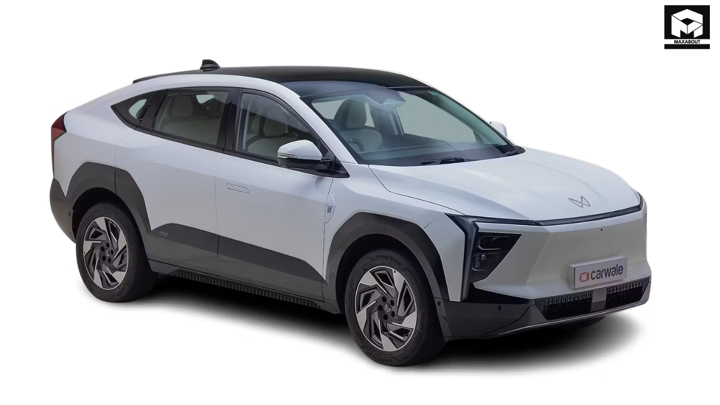
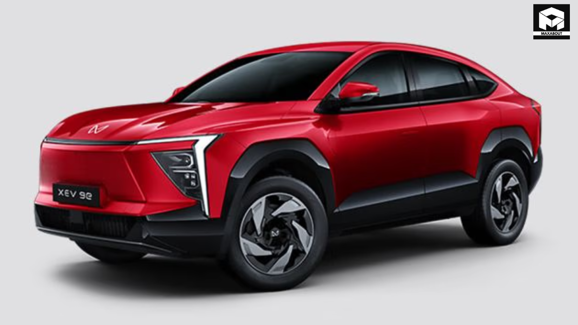
The XEV 9S isn't trying to blend in. It's a coupe-SUV that screams for attention with its sloping roofline and aggressive stance. Mahindra's design team clearly decided that if you're going electric, you might as well look electric.
What strikes me most is how Mahindra positioned this vehicle. They're not competing directly with budget EVs or trying to undercut everyone on price. Instead, they're creating a distinct category—an aspirational electric SUV that appeals to buyers who want something different from the usual boxy SUVs flooding Indian roads.
Design Philosophy That Actually Works
The coupe-SUV segment has always been tricky in India. We love our SUVs tall and commanding. But the XEV 9S manages to balance sportiness with practicality. The sloping roofline might eat into rear headroom slightly, but it gives the vehicle a dynamic profile that photographs exceptionally well.
From what we've seen in automotive trends globally, coupe-SUVs typically attract younger buyers who prioritize style alongside functionality. Mahindra seems to be betting that India's EV buyers fall into this category—and they might be right.
Mahindra XEV 9S Price and Variants Breakdown
Let's talk numbers. The Mahindra XEV 9S starts at Rs. 19.95 lakh, which positions it in a competitive space. Here's how the pricing typically structures out based on what we're seeing:
- Base variant: Rs. 19.95 lakh (ex-showroom) - Expected to offer solid range with essential features
- Mid variant: Likely around Rs. 22-24 lakh - Additional tech features and comfort upgrades
- Top variant: Could stretch to Rs. 26-28 lakh - Loaded with premium features, advanced driver assistance, and maximum battery capacity
Now, these prices position the XEV 9S against some serious competition. You're looking at a price point where buyers also consider premium ICE SUVs, which means Mahindra needs to deliver exceptional value.
How the Price Compares in the Market
At Rs. 19.95 lakh, the XEV 9S undercuts several electric competitors while offering more space and features than entry-level EVs. It's priced strategically below luxury EVs but above compact electric options. This middle ground could be exactly where the Indian EV market is heading.
What I find interesting is that Mahindra isn't playing the "cheapest EV" game. They're focusing on value proposition—giving buyers enough features, range, and style to justify the premium over budget EVs while remaining accessible compared to luxury electric options.
XEV 9S Specifications and Performance
The real test of any EV comes down to three things: range, charging speed, and driving dynamics. From what Mahindra has revealed, the XEV 9S appears to address all three competently.
Battery and Range Details
Industry reports suggest the XEV 9S will offer multiple battery pack options, likely ranging from 60-80 kWh capacity. This translates to an expected real-world range of approximately 400-500 kilometers on a single charge, depending on the variant and driving conditions.
Here's something crucial I've learned about EV ranges in India: whatever the company claims, reduce it by about 20% for real-world city driving with AC blasting. That's just the reality of our driving conditions—traffic jams, extreme temperatures, and aggressive acceleration patterns all drain batteries faster.
Motor Power and Driving Experience
The XEV 9S reportedly features electric motor options ranging from 170-230 kW, delivering instant torque that's characteristic of EVs. This means:
- 0-100 km/h acceleration in approximately 6-8 seconds (varying by variant)
- Instant power delivery for overtaking and city driving
- Multiple driving modes to balance performance with efficiency
- Regenerative braking to extend range in stop-go traffic
Electric SUVs typically feel heavier than their ICE counterparts due to battery weight, but they compensate with lower center of gravity and instant torque response. The XEV 9S likely follows this pattern, offering stable handling with punchy acceleration.
Charging Infrastructure Considerations
This is where EV ownership gets real. The XEV 9S supports fast DC charging, which reportedly can charge the battery from 20% to 80% in around 30-40 minutes using appropriate infrastructure. Home charging through AC wallbox takes considerably longer—expect 6-8 hours for a full charge.
Here's my honest take: if you're considering this vehicle, you absolutely need a home charging solution. Public charging infrastructure in India is growing but remains inconsistent. Relying solely on public chargers will make your EV experience frustrating.
Features and Technology Package
Mahindra has loaded the XEV 9S with technology that's becoming standard in modern EVs but still feels premium in the Indian context.
Interior Tech and Infotainment
Based on Mahindra's recent vehicles and industry patterns, expect the XEV 9S to include:
- Large touchscreen infotainment system (likely 12+ inches)
- Digital instrument cluster with customizable displays
- Connected car technology with remote monitoring and control
- Advanced voice recognition for hands-free operation
- Wireless smartphone integration (Android Auto and Apple CarPlay)
- Over-the-air (OTA) software updates
The OTA capability is particularly significant. It means Mahindra can improve vehicle performance, add features, and fix bugs without requiring service center visits. This is standard in modern EVs but still feels futuristic for many Indian buyers.
Safety and Driver Assistance Features
Safety equipment in the XEV 9S reportedly includes comprehensive ADAS (Advanced Driver Assistance Systems) in higher variants. This typically encompasses:
- Adaptive cruise control for highway cruising
- Lane keeping assist and lane departure warning
- Automatic emergency braking
- Blind spot monitoring
- 360-degree camera system
- Multiple airbags (likely 6-7 in top variants)
These features aren't just box-ticking exercises. ADAS genuinely reduces driver fatigue on long journeys and can prevent accidents. However, they require driver attention—these are assistance systems, not autonomous driving.
Who Should Actually Buy the Mahindra XEV 9S
Let's get practical. The XEV 9S isn't for everyone, and that's okay. Here's who benefits most from this vehicle:
The Ideal XEV 9S Buyer
You're a good fit if:
- You have dedicated parking with charging infrastructure access
- Your daily commute is under 100 km (leaving plenty of buffer)
- You want to reduce running costs significantly (electricity vs. petrol)
- You're comfortable with evolving technology and occasional charging inconveniences
- You value environmental impact and want to reduce emissions
- You appreciate bold, distinctive design over conventional styling
Who Should Wait or Look Elsewhere
Skip this if:
- You frequently drive long distances beyond city limits without charging access
- You live in an apartment without guaranteed charging facilities
- You need a proven, maintenance-free ownership experience (EVs are newer with less established service networks)
- You're uncomfortable being an early adopter of technology
- You require maximum rear headroom (coupe SUVs compromise on this)
I've noticed that many people get excited about EVs based on fuel savings alone, but the practical realities of charging infrastructure and range limitations often create frustration. Be honest about your usage patterns before committing.
Running Costs and Ownership Economics
The XEV 9S promises significantly lower running costs compared to petrol or diesel SUVs. Let me break down what ownership actually costs:
Electricity vs. Fuel Costs
Assuming an efficiency of around 6-7 km per kWh (typical for electric SUVs in real-world conditions) and average home electricity rates of Rs. 8-10 per unit, your cost per kilometer drops to approximately Rs. 1.2-1.7. Compare this to petrol SUVs running at 10-12 km/l with fuel at Rs. 100/liter—that's Rs. 8-10 per kilometer.
For someone driving 15,000 km annually, that's a savings of roughly Rs. 95,000-1,25,000 per year on fuel alone. Over five years, you're looking at Rs. 4.75-6.25 lakh in fuel savings, which partially offsets the higher initial purchase price.
Maintenance Considerations
EVs have fewer moving parts than ICE vehicles. No engine oil changes, no spark plugs, no transmission fluid, no exhaust system maintenance. This translates to lower scheduled maintenance costs—industry data suggests 30-40% lower maintenance expenses compared to conventional vehicles.
However, there's a catch: battery degradation. Lithium-ion batteries lose capacity over time. Most manufacturers warrant batteries for 8 years or 1.6 lakh kilometers, whichever comes first. Mahindra likely offers similar warranty coverage. After warranty expiration, battery replacement costs can be substantial, though battery prices are declining annually.
Market Competition and Alternatives
The XEV 9S enters a rapidly evolving electric SUV segment. Here's what else competes for your attention:
Direct EV Competitors
In the Rs. 20-30 lakh electric SUV space, buyers also consider vehicles from other established manufacturers entering India's EV market. Competition includes both purpose-built EVs and electric versions of popular SUVs. Each offers different combinations of range, features, and brand reliability.
What differentiates the XEV 9S is its distinctive coupe-SUV styling and Mahindra's extensive service network across India. That last point matters enormously—having accessible service centers makes EV ownership considerably less stressful.
ICE Alternatives Worth Considering
At Rs. 20-28 lakh, buyers also consider premium petrol and diesel SUVs with proven reliability. The decision between EV and ICE comes down to priorities: lower running costs and environmental benefits versus established technology and unlimited range without charging concerns.
If your annual driving exceeds 20,000 km and you have reliable charging access, the economics favor EVs. If you drive less or lack charging infrastructure, the convenience of ICE vehicles might outweigh fuel savings.
Mahindra's EV Strategy and Future Outlook
The XEV 9S represents more than a single vehicle launch—it's Mahindra's statement of intent in the electric mobility space. The company has committed substantial resources to EV development, and this launch demonstrates that commitment.
What This Means for Future Buyers
Early adoption always carries risks. You're essentially helping Mahindra refine their EV technology and identify issues through real-world usage. Some buyers are comfortable with this role; others prefer waiting for second or third generation products with resolved teething problems.
That said, Mahindra's extensive experience building vehicles in India—understanding our conditions, service requirements, and buyer expectations—positions them better than completely new entrants to handle EV challenges.
Booking Process and Delivery Timeline
Mahindra has opened bookings for the XEV 9S through their official website and dealerships. Booking amounts typically range from Rs. 25,000-50,000 and are refundable if you change your mind.
Delivery timelines for new EV launches in India often extend to 3-6 months due to battery supply constraints and production ramp-up. If you're booking now, expect delivery in late 2024 or early 2025, though this varies significantly based on variant selection and demand.
Things to Verify Before Booking
Before putting money down, confirm:
- Home charging infrastructure availability and installation costs
- Nearest fast charging stations along your regular routes
- Service center proximity for your specific location
- Insurance costs (EVs sometimes carry higher
Explore the story
Related news
Share your view and join the discussion.
Earn reward points for every comment and get a chance to win ₹1,000 in our weekly lucky draw. Sign in with Google in one tap.
Start the conversation
No one has commented on this article yet. Be the first to share your view.
Want to read more automotive news?
Stay updated with the latest car launches, reviews, and industry insights.
Browse All News