
Mahindra Last Mile Mobility Hits 3 Lakh EV Sales in India
IntroductionIn a significant development for India's electric mobility sector, Mahindra Last Mile Mobility (MLMM) has crossed the remarkable milestone of selling 3 lakh electric vehicles in India. This achievement puts Mahindra firmly at the forefront of India's electric revolution, especially in th...
Introduction
In a significant development for India's electric mobility sector, Mahindra Last Mile Mobility (MLMM) has crossed the remarkable milestone of selling 3 lakh electric vehicles in India. This achievement puts Mahindra firmly at the forefront of India's electric revolution, especially in the last-mile connectivity segment. As someone who closely follows developments in the automotive industry, I can confirm this is a watershed moment not just for Mahindra but for India's entire EV ecosystem.
The last-mile mobility sector, which includes three-wheelers and small commercial vehicles, has been witnessing rapid electrification compared to other automotive segments. Mahindra's success in this space demonstrates both the viability and growing acceptance of electric vehicles for commercial applications across India.
Understanding Mahindra's Last Mile Mobility Division
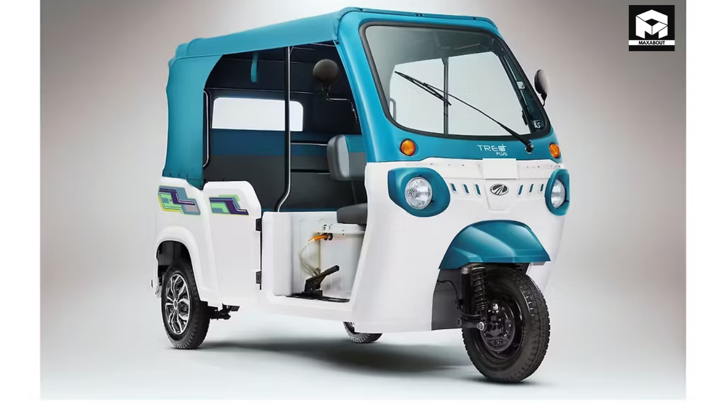
Mahindra Last Mile Mobility represents the company's dedicated focus on electric three-wheelers and small commercial vehicles designed specifically for short-distance transportation needs. This division was strategically created to address the growing demand for sustainable transportation solutions in urban and semi-urban areas.
Key Products in the Portfolio
The division's product lineup includes several popular electric vehicles that have contributed to this milestone:
- Mahindra Treo: A range of electric three-wheelers available in passenger and cargo variants
- Mahindra e-Alfa: Electric rickshaws designed for urban mobility
- Mahindra Zor Grand: Electric cargo vehicle for commercial deliveries
These vehicles have gained popularity due to their low operating costs, minimal maintenance requirements, and environmental benefits. According to market reports, the Treo range has been particularly successful, accounting for a significant portion of the 3 lakh sales figure.
Manufacturing Infrastructure
To support this scale of production, Mahindra has invested in dedicated manufacturing facilities. The company has production units specifically designed for electric vehicles, helping maintain quality while scaling up to meet growing demand across the country.
The Significance of the 3 Lakh Sales Milestone
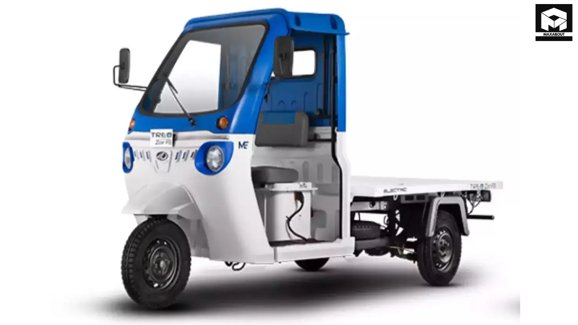
Reaching 3 lakh electric vehicle sales is not just a number—it represents several important developments in India's EV journey:
Market Validation
This milestone validates that electric vehicles have moved beyond early adoption into mainstream acceptance, particularly in commercial applications. Fleet operators and individual drivers are increasingly recognizing the economic benefits of switching to electric.
Data from industry reports suggests that the total cost of ownership for electric three-wheelers can be up to 40% lower than their ICE counterparts when factoring in fuel savings and reduced maintenance costs over a typical usage period of 3-5 years.
Environmental Impact
The environmental benefits of this milestone are substantial. Based on average usage patterns, these 3 lakh vehicles likely prevent thousands of tons of CO2 emissions annually. While exact figures would require detailed analysis, the collective impact on urban air quality is significant.
According to estimates from transportation studies, each electric three-wheeler on Indian roads can reduce carbon emissions by approximately 3-4 tons annually compared to conventional fuel alternatives.
Employment Generation
The success of these vehicles has created a ripple effect in terms of employment. Beyond manufacturing jobs, these vehicles have provided livelihood opportunities for thousands of drivers across India, particularly in smaller cities and towns where last-mile connectivity options were previously limited.
Factors Driving Mahindra's EV Success
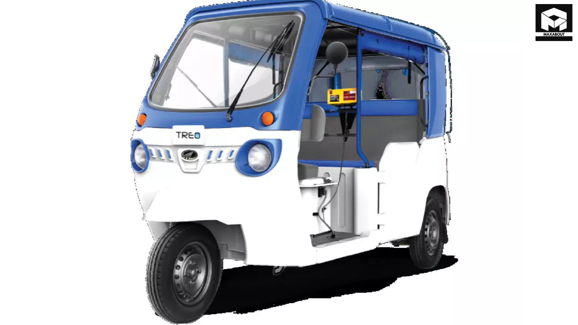
Several factors have contributed to Mahindra's success in the electric last-mile mobility segment:
Government Policies and Incentives
The growth has been supported by favorable government policies, including:
- FAME-II subsidy scheme that reduces the upfront cost of electric vehicles
- State-level incentives including road tax exemptions and permit fee waivers
- GST reduction on electric vehicles compared to conventional vehicles
These incentives have significantly reduced the acquisition cost, making the switch to electric more affordable for commercial operators.
Favorable Economics
The compelling economics of electric three-wheelers has been a major driver of adoption. Based on current electricity and fuel prices, the operating cost per kilometer for an electric three-wheeler is roughly one-third that of a CNG or petrol alternative. This translates to higher daily earnings for operators—a powerful incentive for conversion.
Expanding Charging Infrastructure
While charging infrastructure remains a challenge across India, the situation has been improving, particularly in urban centers. Many operators have adapted to overnight charging at residential locations, which has proven sufficient for daily usage patterns in last-mile applications.
Additionally, battery swapping options are becoming increasingly available, addressing range anxiety concerns for commercial operators who cannot afford extended charging downtime.
Challenges and Future Roadmap
Despite the impressive milestone, the journey hasn't been without challenges, and several hurdles remain:
Infrastructure Limitations
While urban centers have seen improvements in charging infrastructure, semi-urban and rural areas still lag behind. For Mahindra to maintain growth momentum, charging networks will need to expand beyond major cities.
According to industry reports, charging infrastructure in Tier-2 and Tier-3 cities remains at less than 20% of what's available in metropolitan areas, creating potential adoption barriers.
Battery Technology
Current battery technology still imposes limitations on range and performance. Most electric three-wheelers offer 75-130 km range per charge, which, while sufficient for daily urban usage, can create operational challenges for certain use cases.
Future improvements in battery energy density and faster charging capabilities will be crucial for the next phase of growth in this segment.
Future Growth Targets
Looking ahead, Mahindra appears positioned to continue its leadership in this space. Industry analysts suggest that with the growing emphasis on sustainable mobility and favorable economics, the next 3 lakh units might come much faster than the first.
The company has indicated plans to expand its product portfolio and enter new market segments within the electric mobility space, potentially including four-wheeled commercial vehicles and passenger applications.
Implications for India's EV Ecosystem
Mahindra's achievement has broader implications for India's evolving EV landscape:
Encouraging Competition
Success breeds competition, and we're already seeing other manufacturers increase their focus on electric three-wheelers and last-mile mobility solutions. This competitive environment will likely accelerate innovation and drive down costs further.
Component Manufacturing Ecosystem
The scale achieved by Mahindra is helping establish a robust component manufacturing ecosystem for electric vehicles in India. From motors to controllers and battery packs, local manufacturing is gradually replacing imports, creating additional jobs and reducing costs.
Policy Direction
Successful cases like Mahindra's provide policymakers with evidence that their EV-friendly policies are yielding results. This may encourage more comprehensive and long-term policy frameworks to support the transition to electric mobility across all vehicle segments.
Frequently Asked Questions
What models constitute Mahindra's electric last-mile mobility portfolio?
Mahindra's portfolio includes the Treo range of three-wheelers (available in passenger and cargo variants), the e-Alfa series, and the Zor Grand electric cargo vehicle. These vehicles are designed specifically for commercial last-mile applications.
How does the total cost of ownership compare between electric and conventional three-wheelers?
Based on current operating conditions in India, electric three-wheelers typically offer 30-40% lower total cost of ownership over a 5-year period compared to CNG or petrol alternatives. This factors in the higher upfront cost but significantly lower operating and maintenance expenses.
What is the typical range of Mahindra's electric three-wheelers?
Most Mahindra electric three-wheelers offer a range between 75-130 kilometers on a full charge, depending on the model and battery configuration. This range has proven sufficient for typical daily usage patterns in urban last-mile applications.
Are there financing options available for these vehicles?
Yes, Mahindra works with several financial institutions to offer tailored financing solutions for its electric vehicles. Additionally, many states have special schemes and lower interest rates for electric vehicle purchases, making them more accessible to operators.
Conclusion
Mahindra Last Mile Mobility's achievement of selling 3 lakh electric vehicles marks a significant milestone in India's journey toward sustainable transportation. It demonstrates that electric vehicles can succeed at scale when the right products meet appropriate use cases, supported by enabling policies and infrastructure.
The economics of electric three-wheelers has proven compelling enough to drive widespread adoption in the commercial sector, often leading the way ahead of private electric vehicle adoption. As battery technology improves and charging infrastructure expands, we can expect this segment to continue its growth trajectory.
This milestone should be seen not just as Mahindra's success but as a positive indicator for India's broader electric mobility goals. It provides a template for how other segments of the automotive market might successfully transition to electric, combining the right product offerings with supportive policies and infrastructure development.
As the market matures, we can expect continued innovation, improved products, and even more compelling economics, further accelerating India's electric mobility transition in the years to come.
Explore the story
Related news

Share your view and join the discussion.
Earn reward points for every comment and get a chance to win ₹1,000 in our weekly lucky draw. Sign in with Google in one tap.
Start the conversation
No one has commented on this article yet. Be the first to share your view.
Want to read more automotive news?
Stay updated with the latest car launches, reviews, and industry insights.
Browse All News