
Mahindra Investor Day 2025: Big SUV Plans and Global Growth Revealed
What Mahindra Just Revealed at Investor Day 2025Mahindra's Investor Day 2025 wasn't just another corporate presentation filled with buzzwords and vague promises. The company came out swinging with concrete plans that signal a major shift in strategy. I've been following Mahindra's moves for years, a...
Editorial Team
What Mahindra Just Revealed at Investor Day 2025
Mahindra's Investor Day 2025 wasn't just another corporate presentation filled with buzzwords and vague promises. The company came out swinging with concrete plans that signal a major shift in strategy. I've been following Mahindra's moves for years, and this feels different—more focused, more ambitious, and frankly, more achievable than some of their past announcements.
The headline? Mahindra's doubling down on SUVs, pushing hard into global markets, and their farm equipment division continues to print money. Let's dig into what this actually means.
The SUV Offensive: Mahindra's Bread and Butter Gets Bigger
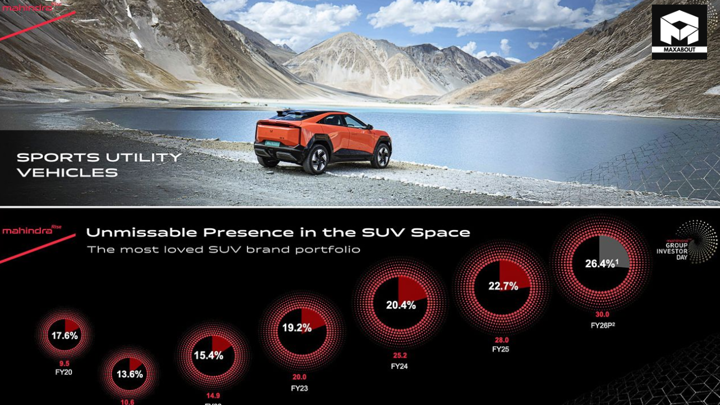
Here's where things get interesting. Mahindra announced an aggressive expansion of their SUV portfolio, and based on current market trends, this makes complete sense. The SUV segment in India has been growing at double-digit rates, and Mahindra's recent launches like the Scorpio-N and XUV700 have been absolute home runs.
What's Coming Down the Pipeline
According to industry reports and Mahindra's own investor presentations, we're looking at multiple new SUV launches over the next 24-36 months. The company's focusing on both ICE (internal combustion engine) and electric platforms, which is smart given the current market dynamics.
From what's been publicly shared, Mahindra's targeting different price segments simultaneously. They're not putting all their eggs in one basket, which reduces risk and maximizes market coverage. Reports suggest launches across the ₹10-15 lakh segment, the ₹20-25 lakh premium space, and even potential luxury offerings above ₹30 lakhs.
The Electric Vehicle Push
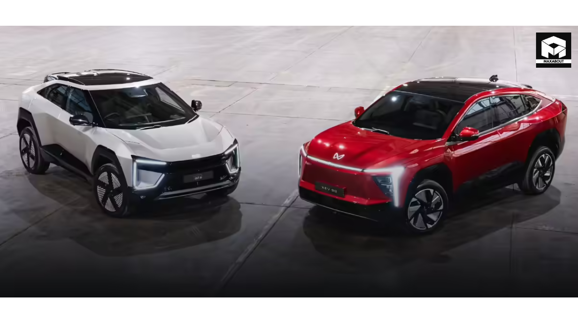
Mahindra's serious about EVs this time around. After the XUV400, they've outlined plans for multiple electric SUVs built on their dedicated EV platform. I've seen the presentations, and the technology looks genuinely competitive—not just a compliance play.
What stands out to me is their battery strategy. Instead of relying entirely on imported cells, Mahindra's investing in local battery assembly and partnerships. This should help with costs and supply chain resilience, which has been a major pain point for EV manufacturers globally.
Global Ambitions: Beyond the Indian Market
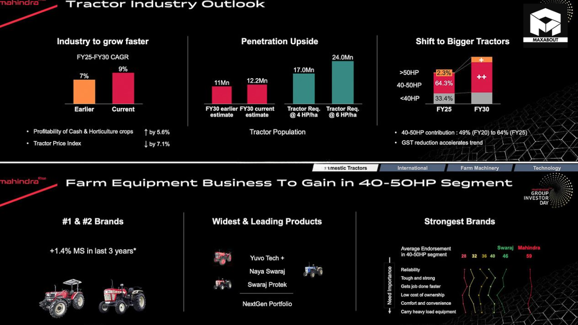
Here's where Mahindra's thinking bigger than ever before. The company laid out specific plans for international expansion, particularly in markets like South Africa, Australia, and select regions in Southeast Asia and Latin America.
Right-Hand Drive Markets First
Mahindra's being strategic here. They're focusing initially on right-hand drive markets where Indian vehicles have traditionally performed well. This makes sense—lower engineering costs for modifications, similar driving conditions in many cases, and established service networks in some regions.
From publicly available information, Mahindra's targeting annual export volumes that would make them a significant player in these markets. We're not talking token presence—they want meaningful market share.
The Challenge Ahead
Let's be real though. Global expansion sounds great in presentations, but execution is brutal. International markets demand different quality standards, have established competition, and require massive marketing investments. Mahindra's attempted this before with mixed results.
What's different this time? They're going with newer products that are genuinely competitive on global standards. The XUV700 and Scorpio-N, for instance, have build quality and features that can hold up against international competition—at least in the value segment.
Farm Equipment: The Silent Cash Cow
While everyone's excited about SUVs, Mahindra's farm equipment division continues to be an absolute beast. This segment often gets overlooked in automotive discussions, but it's a major profit center.
Continued Market Leadership
Mahindra's reportedly maintaining its leadership position in tractors both domestically and in several international markets. The farm equipment business has shown consistent growth, and according to investor presentations, profitability margins here are strong.
What I find interesting is how Mahindra's leveraging technology in this space. Precision farming equipment, connectivity features, and electrification of farm equipment are all areas where they're investing. This isn't your grandfather's tractor company anymore.
Global Farm Equipment Opportunities
Mahindra's farm equipment already has a presence in over 40 countries. The company's looking to expand this further, particularly in Africa and Southeast Asia where mechanization is still growing rapidly. These are markets where affordability matters as much as features—Mahindra's sweet spot.
Financial Implications and Investor Sentiment
Based on analyst reports following Investor Day, the reception has been cautiously optimistic. Mahindra's laying out ambitious targets, but they're also backing them with capital allocation commitments.
Capital Expenditure Plans
The company's outlined significant capex for new manufacturing capacity, EV infrastructure, and technology development. These aren't small numbers—we're talking thousands of crores over the next few years. This shows commitment, but it also means near-term profitability might take some hits.
For investors, the question becomes: do you believe in the execution? Mahindra's track record is mixed. They've had spectacular successes (recent SUV launches) and notable failures (electric vehicle delays in the past). This plan requires getting a lot of things right simultaneously.
Market Share Targets
According to publicly available information, Mahindra's targeting increased market share in the UV (utility vehicle) segment and maintaining leadership in tractors. These are measurable goals, which is good—you can hold them accountable.
What This Means for Consumers
Alright, enough corporate talk. What does this mean if you're actually looking to buy a Mahindra vehicle or use their farm equipment?
More Choices Coming Soon
The SUV expansion means more options across price points. If you've been waiting for a Mahindra product in a specific segment, chances are something's coming. The product pipeline looks fuller than it's been in years.
Quality and Technology Focus
Based on recent launches, Mahindra's clearly stepped up their game on build quality and features. If they maintain this trajectory with upcoming products, consumers win. Competition drives innovation, and Mahindra's pushing hard.
EV Options Without Premium Pricing
Mahindra's traditionally competed on value, and their EV strategy seems to follow that playbook. If they can deliver electric SUVs with decent range at accessible prices, it could democratize EV ownership in India faster than premium brands ever could.
The Risks Nobody's Talking About
I'd be doing you a disservice if I didn't mention the potential pitfalls. Ambitious plans look great on paper, but automotive is littered with failed grand strategies.
Execution Challenges
Launching multiple products across different segments while simultaneously expanding globally and investing in new technology? That's incredibly complex. Supply chain issues, quality control across multiple platforms, and ensuring consistent brand experience—all massive challenges.
Competition Isn't Standing Still
Every automaker in India has similar ambitions. Tata's crushing it with EVs, Maruti's launching SUVs, Hyundai and Kia are expanding aggressively, and new entrants keep coming. Mahindra's fighting on multiple fronts.
Global Market Uncertainties
International expansion during a period of economic uncertainty, potential trade wars, and shifting regulatory landscapes is risky. Currency fluctuations alone can kill margins in export markets.
My Take on Mahindra's Strategy
Looking at everything Mahindra presented, I'm cautiously optimistic but with significant reservations. The SUV focus makes absolute sense—play to your strengths and the market's moving that direction anyway. The farm equipment business remains solid and provides cash flow stability for riskier automotive ventures.
Where I'm more skeptical is the global ambition timeline. International expansion is expensive and takes longer than companies typically project. Mahindra might be better served dominating India first, then using that position for measured international growth rather than aggressive parallel expansion.
The EV strategy is interesting. If—and this is a big if—they can deliver reliable, affordable electric SUVs with decent range and charging infrastructure support, they could capture significant market share. But EV execution has been tough for everyone, and Mahindra's past delays make me want to see actual products before getting too excited.
What to Watch Going Forward
Here are the key indicators I'll be monitoring to see if Mahindra's actually delivering on these promises:
- Product Launch Timeline: Do the announced vehicles actually hit their launch dates? Delays would signal execution problems.
- Quality Metrics: Are new launches maintaining the quality standards of recent successes like XUV700? Consumer reports and long-term reliability data will tell the story.
- Export Volume Numbers: Actual export data in target markets will show if the global push is working or just generating headlines.
- EV Platform Performance: When electric SUVs launch, real-world range, charging times, and battery degradation will determine competitiveness.
- Market Share Movement: Is Mahindra actually gaining share in UV segments or just maintaining position?
- Financial Health: Can they fund this expansion while maintaining healthy margins? Debt levels and cash flow will be critical.
Frequently Asked Questions
When will Mahindra's new SUVs actually launch?
Based on publicly available timelines, Mahindra has indicated multiple launches over the next 24-36 months. Specific dates vary by model, but the company's stated they'll maintain a steady cadence of new products. I'd watch for official announcements as launch dates approach, since automotive timelines can shift.
Are Mahindra's electric vehicles actually competitive with Tata?
The XUV400 has been moderately successful, but Tata currently leads in EV market share. Mahindra's upcoming dedicated EV platform vehicles will be the real test. Based on specifications shared publicly, they're targeting competitive range and features. Whether that translates to market success depends on pricing, charging infrastructure, and real-world performance.
Which international markets is Mahindra targeting first?
According to investor presentations, Mahindra's prioritizing South Africa, Australia, and select markets in Southeast Asia and Latin America. These are primarily right-hand drive markets where they already have some presence or where market conditions favor their product positioning.
Will Mahindra's global expansion affect product availability in India?
This is unlikely. India remains Mahindra's core market and largest revenue source. Export volumes, while growing, will likely remain a smaller portion of total production for the foreseeable future. The company's adding capacity rather than diverting existing production.
How is Mahindra's farm equipment business performing?
Very well, actually. Mahindra maintains leadership in the tractor segment domestically and has strong presence internationally. This division provides stable cash flows that support automotive expansion. Recent quarterly reports have shown consistent growth in this segment.
Should investors be excited about Mahindra's plans?
That depends on your investment timeline and risk tolerance. The plans are ambitious and, if executed well, could drive significant growth. However, execution risk is substantial. Analyst opinions are mixed—some see significant upside, others are more cautious. Do your own research and consider your investment goals.
Conclusion: Ambitious Plans Meet Reality
Mahindra's Investor Day 2025 revealed a company with big dreams and, apparently, the willingness to invest in making them happen. The SUV expansion makes strategic sense given market trends and their recent success. The global ambitions are bold—perhaps overly so—but could pay off if executed carefully. And the farm equipment business remains a steady foundation supporting riskier automotive ventures.
Will it all work? That's the million-dollar question. Mahindra's got momentum right now with successful recent launches and improving brand perception. They're investing heavily in technology and capacity. But they're also stretching across multiple initiatives simultaneously, which increases complexity and risk.
For consumers, this likely means more choices and potentially better products as Mahindra steps up to compete globally. For investors, it's a higher-risk, potentially higher-reward situation than the steady tractor business of old. And for the Indian automotive industry, it's another sign that domestic manufacturers are thinking beyond local markets.
I'll be watching closely over the next couple years to see how much of this vision actually materializes. The roadmap's drawn—now comes the hard part of actually driving it. Based on what I've seen from Mahindra lately, they've got a fighting chance. Whether that's enough in an increasingly competitive market remains to be seen.
What do you think? Is Mahindra being realistically ambitious or overpromising? Either way, the next few years will be fascinating to watch.
No comments yet
Be the first to share your thoughts!
Want to read more automotive news?
Stay updated with the latest car launches, reviews, and industry insights.
Browse All News