
Mahindra BE.07 Electric SUV: 2027 Launch Details & Specifications
Why the BE.07 Marks a Pivotal Moment for MahindraThe automotive landscape in India is experiencing a dramatic shift, and Mahindra's BE.07 represents more than just another electric SUV launch. I believe this model signals a transformative moment for a company that built its reputation on rugged, die...
Editorial Team
Why the BE.07 Marks a Pivotal Moment for Mahindra
The automotive landscape in India is experiencing a dramatic shift, and Mahindra's BE.07 represents more than just another electric SUV launch. I believe this model signals a transformative moment for a company that built its reputation on rugged, diesel-powered SUVs.
What makes the BE.07 particularly significant is its timing. With India's EV market expected to reach 10 million annual sales by 2030, Mahindra is positioning itself exactly where the future growth will be. The company's CEO has projected substantial volumes for the BE.07, suggesting confidence in both the product and market readiness.
Looking at current market dynamics, I see three key factors that could work in BE.07's favor:
Price Point: At an expected range of ₹25-30 lakh, it targets the sweet spot in India's premium EV segment
Infrastructure Growth: By 2027, India's charging network will be significantly more developed
Brand Trust: Mahindra's established service network of over 2000 touchpoints provides confidence to potential buyers
While competitors like Tata and MG have already established themselves in the electric space, Mahindra's approach with the BE.07 appears more comprehensive. Rather than converting an existing model to electric, they've developed it from the ground up as a pure EV, which I think will make a significant difference in performance and efficiency.
Technical Specifications and Performance Expectations
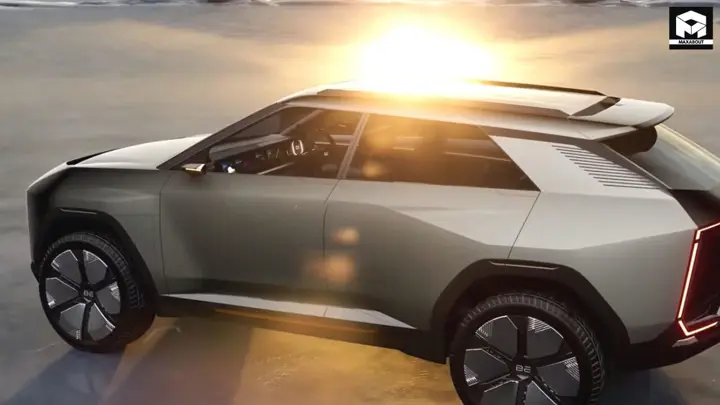
Based on what [autox.com](https://www.autox.com/new-cars/mahindra/be07/) has revealed, the BE.07 is shaping up to be a compelling technical package. The SUV will be built on Mahindra's INGLO platform, which I believe brings several advantages for the Indian market.
The expected specifications look promising:
Battery Range: Approximately 500km per charge, which should address range anxiety for most users
Performance: 0-100 km/h acceleration expected in 5-6 seconds
Charging Capability: Support for both AC and DC fast charging, with 80% charge possible in under 30 minutes
What particularly interests me is how Mahindra has engineered the thermal management system specifically for Indian conditions. During summer months, when temperatures can exceed 45°C in many parts of the country, maintaining optimal battery performance becomes crucial.
The INGLO platform's skateboard architecture allows for a low center of gravity, which should translate to better handling characteristics. Given my experience with Indian road conditions, I'm particularly interested in seeing how the ground clearance has been optimized - a critical factor for our market.
Looking at the anticipated price range of ₹25-30 lakh, I think Mahindra has positioned the BE.07 strategically against current premium EVs while offering potentially superior technology and performance metrics.
Design and Features Analysis
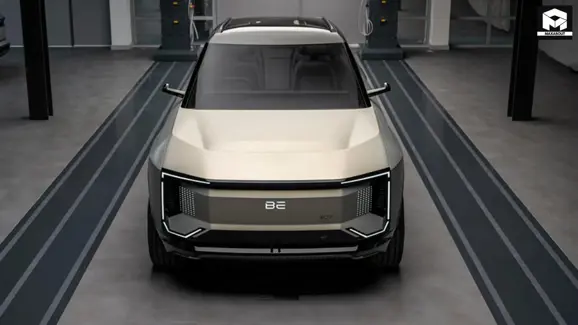
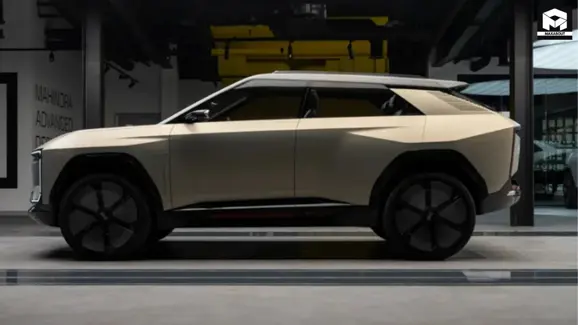
The BE.07's design language represents a significant leap forward for Mahindra. Based on the revealed images, I'm particularly impressed by the sharp, aerodynamic profile that manages to maintain a distinctly Indian SUV character. The front fascia features a distinctive LED light signature that spans the width of the vehicle, creating what I believe will be an unmistakable presence on our roads.
Inside the cabin, Mahindra appears to have prioritized both space and technology. The dashboard layout, from what we can see in early previews, centers around a dual-screen setup - likely offering at least 12 inches of display real estate. What stands out to me is the thoughtful integration of physical controls for critical functions, which I find essential for Indian driving conditions where touch-only interfaces can be cumbersome.
Some standout features expected include:
Advanced driver assistance systems with India-specific calibration
Multi-zone climate control with air purification system
360-degree camera system with high-resolution display
Over-the-air update capability for future feature additions
The interior space utilization seems cleverly thought out, with what appears to be ample headroom and legroom - crucial for family buyers. I'm particularly interested in the boot space configuration, as early estimates suggest around 400 liters of capacity, which should be sufficient for weekend trips and airport runs.
Speaking of practicality, the expected ground clearance of around 200mm should handle our speed breakers and rough patches confidently. The approach and departure angles, though not officially confirmed, look promising for urban SUV duties.
Expected Price Positioning and Market Impact
Based on industry reports, the Mahindra BE.07 is expected to be positioned in the ₹25-30 lakh price bracket, placing it strategically in the premium electric SUV segment. I believe this pricing makes sense given the advanced technology and features on offer.
The pricing structure will likely follow a three-variant strategy:
Base variant (estimated ₹25 lakh): Standard range battery, essential features
Mid variant (estimated ₹27.5 lakh): Enhanced range, additional comfort features
Top variant (estimated ₹30 lakh): Extended range battery, full technology suite
What's particularly interesting is how this positions the BE.07 against current electric SUVs in our market. At this price point, it fills an important gap between mass-market electric SUVs and luxury offerings. I expect this sweet spot to drive significant adoption, especially among urban professionals and tech-savvy families looking to make their first EV purchase.
The timing seems right too - by 2027, our charging infrastructure should be more robust, and battery costs are expected to decrease further. This could make the BE.07 a volume driver for Mahindra's electric division, potentially accelerating India's transition to electric mobility.
Charging Infrastructure and Ownership Experience
Looking at Mahindra's preparation for the BE.07 launch, I'm particularly impressed by their planned charging ecosystem. The company is working on installing fast-charging stations across major highways, starting with the Mumbai-Delhi and Bangalore-Chennai corridors. This strategic approach should help address range anxiety for potential buyers.
For home charging solutions, Mahindra is expected to provide a standard 7.2kW AC charger with the BE.07. Based on current EV ownership patterns in India, this should adequately serve most urban users who typically drive 30-50 kilometers daily. The vehicle is also likely to support DC fast charging up to 150kW, enabling quick top-ups during longer journeys.
Expected Ownership Benefits
Maintenance costs should be significantly lower compared to traditional vehicles, with Mahindra projecting up to 40% reduction in service expenses. The company plans to offer:
8-year battery warranty
5-year vehicle warranty
24x7 roadside assistance
Over-the-air software updates
Mahindra is also upgrading its service centers across metropolitan areas to handle electric vehicles, with specialized EV service bays and trained technicians. This infrastructure development is crucial for providing peace of mind to early adopters.
Future Implications for Indian EV Market
The BE.07's planned launch could mark a significant turning point for India's electric vehicle landscape. Based on current market analysis, I believe this model will help normalize premium EVs in the ₹25-30 lakh segment, where traditional fuel vehicles have long dominated.
Looking at the broader picture, [autox.com](https://www.autox.com/new-cars/mahindra/be07/) suggests the BE.07 will offer a 500km range - a figure that could help address range anxiety, which remains a key concern for Indian buyers. The timing also appears strategic, as [recharged.com](https://recharged.com/articles/ev-cars-india-guide) reports EV adoption is accelerating, with sales growing four times faster than the overall market.
What's particularly interesting is Mahindra's commitment to volume production. [evoindia.com](https://www.evoindia.com/cars/car-reviews/2026-mahindra-xev-9s-first-drive-review-the-electric-xuv700-587252) indicates the company is investing heavily in manufacturing capacity, suggesting they're preparing for significant demand. This could lead to more competitive pricing across the EV segment as other manufacturers respond.
In my assessment, if Mahindra delivers on their promises with the BE.07, we could see electric SUVs moving from niche products to mainstream options by 2028, especially in metropolitan areas where charging infrastructure is rapidly expanding.
Explore the story
Related news


Share your view and join the discussion.
Earn reward points for every comment and get a chance to win ₹1,000 in our weekly lucky draw. Sign in with Google in one tap.
Start the conversation
No one has commented on this article yet. Be the first to share your view.
Want to read more automotive news?
Stay updated with the latest car launches, reviews, and industry insights.
Browse All News