
KTM RC 160 Spied Testing – R15 Rival Could Launch In 2026
The KTM RC 160 has been spotted testing on Indian roads, and honestly, this could be a game-changer in the premium 150-160cc sportbike segment. With Yamaha's R15 dominating for years, KTM seems ready to shake things up with their signature aggressive styling and performance-focused approach.I've bee...
Editorial Team
The KTM RC 160 has been spotted testing on Indian roads, and honestly, this could be a game-changer in the premium 150-160cc sportbike segment. With Yamaha's R15 dominating for years, KTM seems ready to shake things up with their signature aggressive styling and performance-focused approach.
I've been following KTM's strategy in the Indian market for years, and this move makes perfect sense. They've successfully carved out a niche in the performance segment, and filling the gap between the RC 125 and RC 200 with a 160cc variant could attract riders who want that sweet spot of power and affordability.
What We Know From Spy Shots
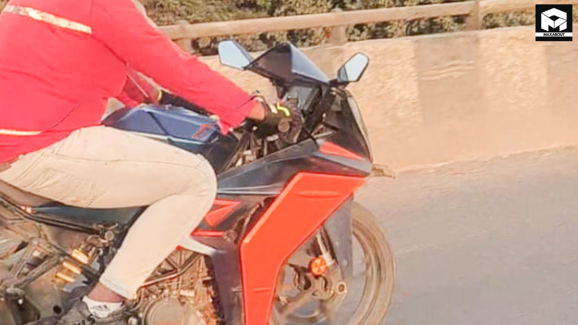
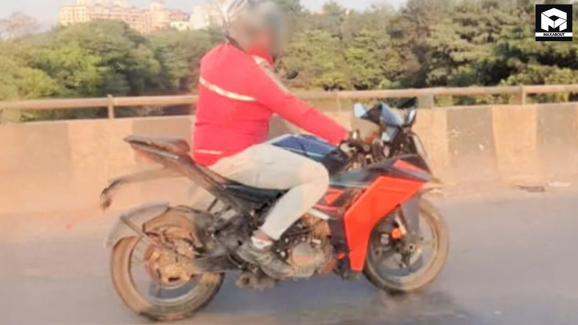
Test mules spotted on Indian roads reveal some interesting details about the RC 160. The bike appears to retain KTM's signature sharp, angular styling that we've come to expect from the RC lineup. From what's visible in the spy images circulating online, the fairing design looks aggressive with those trademark sharp lines that make KTM bikes instantly recognizable.
The testing phase typically indicates that launch plans are becoming more concrete. Based on how KTM operates, extensive road testing in India suggests they're fine-tuning the bike specifically for our conditions – something that's crucial for success in this segment.
Design Language and Styling
KTM has always been bold with their design philosophy, and the RC 160 seems to follow suit. The spy shots suggest:
- Sharp, aerodynamic fairing with aggressive front-end styling
- Split LED headlamps similar to the larger RC models
- Compact tail section maintaining the RC family's signature look
- Sporty riding position with clip-on handlebars
- Exposed trellis frame in KTM's iconic orange color scheme
What I find particularly interesting is how KTM manages to make their bikes look premium without compromising on that race-ready aesthetic. It's something they've mastered over the years.
Expected Engine and Performance Specifications
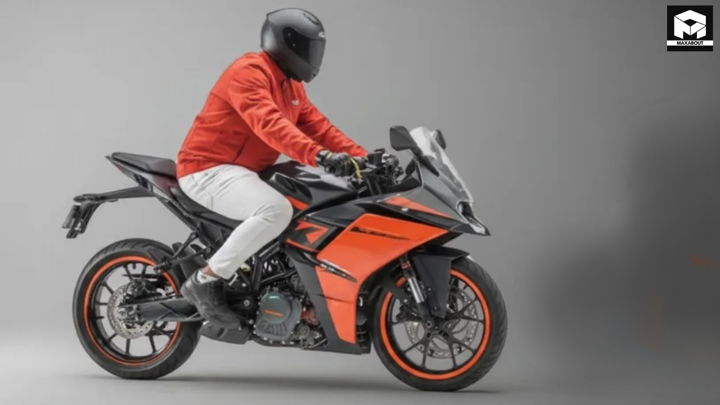
Here's where things get exciting. The RC 160 will likely use a 160cc single-cylinder, liquid-cooled engine. Based on KTM's engineering patterns and what we've seen from their existing lineup, we can make some educated predictions about performance.
Powertrain Expectations
KTM engines are known for their punchy power delivery and rev-happy nature. The RC 160's motor will probably sit somewhere between the RC 125 and RC 200 in terms of output, which makes sense. Industry reports suggest we're looking at:
- Displacement: Around 160cc single-cylinder engine
- Power Output: Likely between 17-19 PS
- Torque: Expected around 14-15 Nm
- Transmission: 6-speed gearbox
- Cooling: Liquid-cooled system for consistent performance
From my understanding of engine development in this segment, KTM will need to balance performance with fuel efficiency to compete effectively. The R15 has set a high benchmark here, delivering both spirited performance and reasonable mileage.
Performance Features
KTM typically doesn't hold back on performance hardware, even on their entry-level models. The RC 160 will likely feature:
- Slipper clutch for smoother downshifts and reduced rear-wheel chatter
- Ride-by-wire throttle system for precise power delivery
- Multiple riding modes (though this might be optional)
- Quick shifter option (possibly on higher variants)
These features have become increasingly common in the premium 150-200cc segment, and KTM knows they can't skimp here if they want to compete seriously.
Chassis and Hardware Components
One area where KTM consistently delivers is chassis dynamics. Their trellis frame design isn't just for show – it actually provides excellent rigidity while keeping weight down.
Suspension and Brakes
Based on spy shots and KTM's typical specifications, here's what we're likely looking at:
- Front Suspension: USD (upside-down) forks, probably 37mm diameter
- Rear Suspension: Monoshock with preload adjustability
- Front Brake: 300mm disc with radial caliper
- Rear Brake: 230mm disc
- ABS: Dual-channel ABS as standard (mandatory in India)
USD forks on a 160cc bike are a significant advantage. The R15 also offers them, but having premium suspension components at this price point still feels special. It's the kind of hardware that makes a real difference when you're pushing through corners.
Wheels and Tyres
Expect 17-inch alloy wheels at both ends, which is standard for sportbikes in this category. KTM typically equips their bikes with good quality rubber, likely MRF or similar brands that offer decent grip without inflating costs dramatically.
Feature Set and Technology
Modern buyers expect more than just performance – they want connectivity and features too. KTM has been gradually improving their feature offerings, and the RC 160 should reflect that evolution.
Expected Features Include:
- Full-color TFT display with smartphone connectivity
- Turn-by-turn navigation support
- Call and message alerts
- Bluetooth connectivity through KTM's app
- Full LED lighting (headlamp, tail lamp, indicators)
- Digital instrument cluster with multiple readouts
The TFT display has become KTM's calling card in recent models. It's something riders actually appreciate because it makes the bike feel modern and premium.
Market Positioning and Competition
Let's be real – the Yamaha R15 has owned this segment for over a decade. It's the benchmark everyone measures against. But markets evolve, and there's definitely room for a strong competitor.
How RC 160 Stacks Up Against R15
The competition will be fierce. Here's how these bikes compare based on expected specifications:
| Aspect | KTM RC 160 (Expected) | Yamaha R15 V4 |
|---|---|---|
| Engine | 160cc, single-cylinder | 155cc, single-cylinder |
| Power | ~17-19 PS | 18.4 PS |
| Torque | ~14-15 Nm | 14.2 Nm |
| Weight | ~145-150 kg | 142 kg |
| Suspension | USD forks, monoshock | USD forks, monoshock |
| Display | TFT with connectivity | TFT with connectivity |
What strikes me is how closely matched these bikes will be on paper. The real differentiator will be pricing, brand loyalty, and riding dynamics – things you can't fully capture in a spec sheet.
Other Competitors to Consider
The RC 160 won't just battle the R15. There's also:
- Suzuki Gixxer SF 250: More displacement but higher price
- Bajaj Pulsar RS200: Established player with loyal following
- TVS Apache RR 310: Premium offering at higher price point
- Hero Karizma XMR: Recent comeback attempting revival
Each has strengths, but the RC 160 could offer the best balance of performance, features, and brand appeal if priced correctly.
Expected Pricing and Launch Timeline
Pricing will make or break this bike. KTM needs to be aggressive without devaluing their brand or eating into RC 200 sales.
Price Predictions
Based on current market positioning and competition, I expect the RC 160 to be priced around:
- Expected Price Range: ₹1.80 lakh to ₹2.10 lakh (ex-showroom)
- This positions it slightly above or competitive with the R15 V4
- Creates clear differentiation from the RC 125 (around ₹1.80 lakh)
- Maintains gap below the RC 200 (around ₹2.25 lakh)
KTM typically offers good value for money, especially considering the hardware they pack in. A price point around ₹2 lakh would be competitive without seeming like they're undercutting themselves.
Launch Timeline
Spy shots appearing now suggest development is in advanced stages. Industry patterns indicate we're looking at:
- Expected Launch: Late 2025 or early 2026
- Possible unveiling at major auto shows (EICMA 2025 or Auto Expo 2026)
- Market availability following 2-3 months after official launch
KTM usually times their launches strategically. A 2026 launch would give them a fresh product cycle and capture attention in the competitive Indian market.
Why This Bike Matters for Indian Riders
The 150-160cc sportbike segment is huge in India. It's where enthusiasts enter the performance world without breaking the bank. Having more choices here benefits everyone.
The Sweet Spot Segment
This displacement range offers several advantages:
- Manageable insurance costs compared to 200cc+ bikes
- Decent fuel efficiency (likely 35-40 kmpl in real-world conditions)
- Enough performance for highway cruising and spirited riding
- More accessible for newer riders transitioning from commuters
- Lower maintenance costs than larger displacement bikes
From what I've observed in the market, riders in this segment are knowledgeable and demanding. They research extensively, compare specs meticulously, and expect value. KTM understands this audience well.
Brand Appeal Factor
KTM has cultivated a strong performance image in India. Their "Ready to Race" tagline isn't just marketing fluff – riders genuinely associate the brand with sportiness and excitement. The RC 160 will benefit from this halo effect.
Plus, let's not ignore the styling factor. KTM bikes photograph brilliantly and look distinctive on the road. For many young buyers, that matters as much as the spec sheet.
Potential Challenges and Concerns
It's not all sunshine and roses. KTM will face some genuine challenges with the RC 160.
Service Network Perception
One area where Yamaha has traditionally had an advantage is their extensive, well-established service network. KTM has been expanding aggressively, but some buyers still perceive them as having limited reach compared to Japanese manufacturers.
However, this gap has been narrowing. KTM's partnership with Bajaj has significantly improved their service presence across India, particularly in tier-2 and tier-3 cities.
Heat Management
Fully-faired bikes can get toasty in Indian conditions – that's just physics. KTM's previous RC models have received feedback about heat management in stop-and-go traffic. The RC 160 will need effective heat dissipation solutions to remain comfortable during daily commutes.
Seat Comfort
Sportbikes prioritize ergonomics for performance, not necessarily long-distance comfort. The aggressive riding position and firm seat padding typical of KTM sportbikes might not suit everyone, especially for extended city commuting.
These are trade-offs inherent to the sportbike category, but they're worth considering if you're planning to use this as your primary commuter.
Who Should Consider the RC 160?
This bike will appeal to a specific type of rider. Let me break down who would benefit most from choosing the RC 160.
Ideal Buyer Profile
- Young enthusiasts looking for their first serious sportbike
- Riders upgrading from 150cc commuters who want more performance
- KTM loyalists who love the
Explore the story
Related news
Share your view and join the discussion.
Earn reward points for every comment and get a chance to win ₹1,000 in our weekly lucky draw. Sign in with Google in one tap.
Start the conversation
No one has commented on this article yet. Be the first to share your view.
Want to read more automotive news?
Stay updated with the latest car launches, reviews, and industry insights.
Browse All News