
Kia EV2 Small Electric Car Teased Before 9th Jan Debut – Launch in 2026
The electric vehicle market is about to get more interesting. Kia just teased its upcoming EV2, and I'm genuinely excited about what this means for budget-conscious buyers looking to make the switch to electric.Set for its official debut on January 9th, the EV2 represents Kia's push to democratize e...
Automotive Journalist
The electric vehicle market is about to get more interesting. Kia just teased its upcoming EV2, and I'm genuinely excited about what this means for budget-conscious buyers looking to make the switch to electric.
Set for its official debut on January 9th, the EV2 represents Kia's push to democratize electric mobility. And honestly, it's about time someone focused on making EVs truly affordable without compromising on style.
What We Know About the Kia EV2 So Far
Based on the teaser images Kia released, the EV2 is shaping up to be more than just a budget option with wheels slapped on. The design language clearly borrows from its bigger siblings in the EV lineup, particularly the well-received EV3 and EV9.
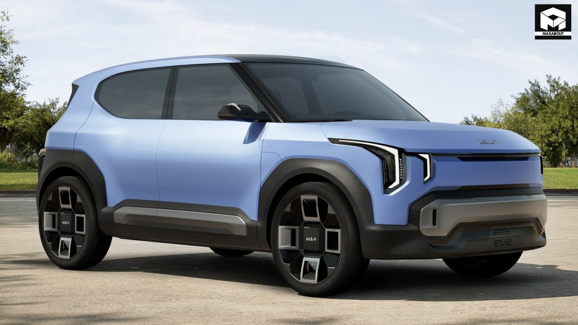
The compact proportions suggest this will be a city-friendly vehicle. Think nimble parking, easy maneuvering through tight streets, and a footprint that won't have you sweating every parking spot. From what I can see in the teasers, Kia isn't skimping on the design department – the silhouette looks modern and distinctive.
Design Philosophy: Small But Stylish
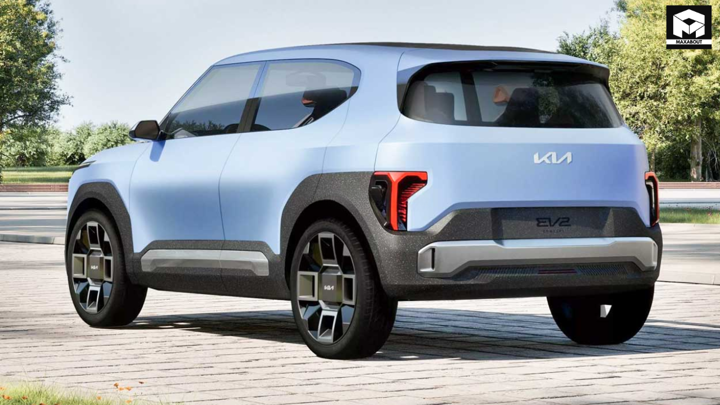
Here's what typically happens with budget EVs: manufacturers strip away everything that makes a car exciting to look at. The EV2 appears to buck that trend. The teaser shots show clean lines, a contemporary front fascia, and proportions that look intentional rather than compromised.
Kia has been on an absolute tear with their design language lately. The aggressive, futuristic styling that started with the EV6 has trickled down through the lineup, and the EV2 seems to carry that DNA forward.
Positioning in Kia's Electric Lineup
Let me break down where the EV2 fits in Kia's growing electric family:
- EV2: Entry-level compact (launching 2026)
- EV3: Compact crossover (already available in select markets)
- EV4: Midsize sedan (recently announced)
- EV5: Compact SUV for specific markets
- EV6: Midsize crossover (current bestseller)
- EV9: Three-row large SUV (flagship model)
The EV2 sits at the foundation of this pyramid. It's Kia's answer to the question: "How affordable can we make an electric car while keeping it desirable?"
Target Market and Competition
This vehicle is clearly aimed at first-time EV buyers, urban commuters, and anyone who's been waiting for electric cars to hit a more reasonable price point. Kia is likely targeting markets where small cars dominate – think Europe, Asia, and increasingly urban areas in North America.
The competition? We're looking at vehicles like the upcoming Renault 5 E-Tech, Citroen e-C3, and potentially even the Dacia Spring. These manufacturers are all racing to capture buyers who want electric but can't stomach $40,000+ price tags.
Expected Specifications and Features
Now, Kia hasn't spilled all the beans yet, but based on industry patterns and the company's existing EV platform, I can make some educated predictions about what the EV2 might offer.
Likely Powertrain Options
Most affordable EVs in this segment typically offer a single motor, front-wheel-drive configuration to keep costs down. The EV2 will probably follow this formula. Battery capacity commonly ranges between 40-58 kWh in this class, which translates to real-world ranges of approximately 250-350 kilometers depending on driving conditions.
Charging speeds are where many budget EVs fall short. However, Kia has generally been good about including decent DC fast charging capabilities even in their more affordable models. I'd expect the EV2 to support at least 100 kW fast charging, allowing you to add significant range during a coffee break.
Interior and Technology
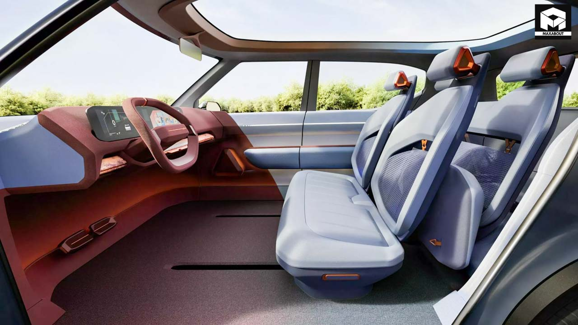
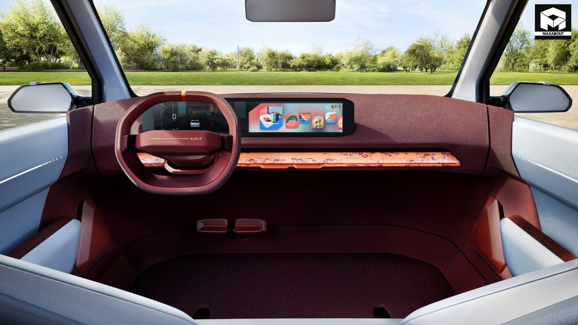
Here's where things get interesting. Kia has been stuffing their vehicles with technology across all price points. Even their budget-friendly models often include features that luxury brands charged extra for just a few years ago.
I expect to see:
- A decent-sized digital instrument cluster (at least 10 inches)
- Central touchscreen infotainment (probably 10-12 inches)
- Smartphone integration (Apple CarPlay and Android Auto)
- Standard driver assistance features (lane keeping, automatic emergency braking)
- Over-the-air update capability
The materials will likely be more hard plastic than soft-touch surfaces, but Kia has gotten clever about making budget interiors look more upscale than they are. Strategic use of color, texture, and lighting can work wonders.
The 2026 Launch Timeline
The January 9th debut is just the reveal. We'll see the car, get the official specs, and probably hear a lot of marketing speak about innovation and accessibility. But actual customer deliveries? Those are pegged for 2026.
This timeline makes sense for several reasons. Manufacturing capacity needs to be established, battery supply chains need to be secured, and different market certifications take time. Plus, Kia is likely staggering launches across different regions.
Regional Availability
If I had to guess the rollout strategy, Europe will likely see the EV2 first. Small EVs sell well there, charging infrastructure is relatively mature, and government incentives often make these vehicles even more affordable. Asian markets, particularly South Korea and China, would follow closely.
North America is trickier. Small cars have traditionally struggled in the US market, but changing attitudes toward EVs and rising fuel costs might make the EV2 more palatable. Canada and Mexico could be strong markets given their urban density and environmental policies.
Pricing Predictions and Value Proposition
Let's talk money – because that's really what the EV2 is all about. While Kia hasn't announced pricing yet, we can make some reasonable estimates based on market positioning and competition.
In European markets, I'd expect a starting price around €25,000-€30,000 before any government incentives. That would undercut the EV3 by a significant margin while still leaving room for Kia to make a reasonable profit on volume sales.
The Real Cost of Ownership
Here's where EVs generally shine, even at the budget end. Lower maintenance costs are a real benefit – no oil changes, fewer brake replacements thanks to regenerative braking, and generally simpler drivetrains mean fewer things to go wrong.
Electricity costs vary wildly depending on where you live and whether you're charging at home or using public infrastructure. But even in expensive electricity markets, charging an EV typically costs 50-70% less than fueling an equivalent gasoline car for the same distance.
Why the EV2 Matters for the Industry
Strip away the marketing hype, and the EV2 represents something important: a major manufacturer betting that affordable EVs can actually sell in volume. This isn't a compliance car built to meet regulatory requirements. This is a serious attempt to compete in the mass market.
The success or failure of vehicles like the EV2 will determine how quickly we transition to electric mobility. Premium EVs are great, but they're not going to replace the millions of affordable gasoline cars currently on the road. We need compelling, affordable options.
Impact on Traditional Automakers
Kia's aggressive push into affordable EVs puts pressure on traditional competitors. Toyota, Volkswagen, Ford – they're all watching to see if Kia's strategy pays off. If the EV2 succeeds, expect a flood of similar offerings from other manufacturers.
Chinese EV manufacturers like BYD have already proven there's massive demand for affordable electric vehicles in their home market. The EV2 is part of Korean and European manufacturers fighting back against that competitive threat.
What to Watch for at the January 9th Reveal
When Kia pulls the covers off the EV2, here are the key details I'll be looking for:
- Official pricing: Even if it's just for one market, this sets the tone
- Battery capacity and real-world range: Marketing ranges are one thing, but WLTP or EPA numbers tell the real story
- Charging speed and compatibility: Can it use existing fast charging networks effectively?
- Interior space efficiency: Small on the outside doesn't have to mean cramped inside
- Standard features: What comes in the base model versus what costs extra?
- Warranty terms: Battery warranties especially matter for EV buyers
- Production location: This affects pricing and availability in different markets
Potential Challenges Ahead
Let me be realistic for a moment. Launching an affordable EV isn't easy, and Kia will face some significant hurdles.
Battery Costs and Supply
Battery prices have been dropping, but they still represent the single largest cost in any EV. Supply chain disruptions, raw material costs, and manufacturing capacity can all impact profitability and availability. Kia needs to secure reliable battery supplies at prices that allow them to hit their target selling price.
Infrastructure Concerns
Many potential buyers worry about charging infrastructure, and they're not wrong to be concerned. While home charging works great if you have a garage or dedicated parking spot, apartment dwellers face real challenges. Public charging networks are expanding but remain inconsistent in coverage and reliability.
Range Anxiety
Despite improvements in battery technology, range anxiety remains a psychological barrier for many buyers. A small, affordable EV will likely have a smaller battery and thus shorter range than premium models. Kia needs to communicate clearly about real-world capabilities and ideal use cases.
My Take on the EV2's Prospects
Here's my honest assessment: the EV2 arrives at exactly the right moment. We've moved past the early adopter phase of EV ownership. People don't need convincing that electric cars work – they need convincing that electric cars are affordable and practical.
Kia has proven they can build compelling vehicles. The EV6 won numerous awards and sells well despite strong competition. The company's warranty coverage is industry-leading, which matters even more with new technology. They understand modern design and technology integration.
What concerns me slightly is whether Kia can maintain quality and features while hitting an aggressive price point. Budget vehicles often involve compromises, and it's not always clear where those compromises land until you actually live with the vehicle daily.
That said, I'm optimistic. The teasers suggest Kia is taking design seriously. The 2026 timeline gives them breathing room to get things right rather than rushing to market. And the broader EV lineup means they're not betting everything on one model.
Frequently Asked Questions
When will the Kia EV2 be officially revealed?
Kia is officially unveiling the EV2 on January 9th. We'll get full specifications, official photos, and likely pricing information for at least some markets during this reveal event.
How much will the Kia EV2 cost?
While Kia hasn't announced official pricing yet, based on market positioning and competition, expect starting prices around €25,000-€30,000 in European markets before government incentives. US pricing, if the vehicle comes to North America, would likely start in the mid-$20,000s range.
What is the expected range of the EV2?
Based on typical battery capacities in this segment (40-58 kWh), real-world range will likely fall between 250-350 kilometers (155-217 miles) depending on driving conditions, weather, and driving style. Official figures will be confirmed at the January 9th reveal.
Will the Kia EV2 be available in the United States?
Kia hasn't confirmed all markets yet, but small cars have historically struggled in the US market. The EV2 is more likely to see strong availability in Europe and Asian markets first, with North American availability dependent on market reception and regulatory considerations.
How does the EV2 compare to the EV3?
The EV2 sits below the EV3 in Kia's lineup as a smaller, more affordable option. It will likely have a smaller battery, shorter range, and less interior space compared to the EV3, but also come with a significantly lower price tag to attract budget-conscious buyers.
What charging capabilities will the EV2 have?
While not officially confirmed, affordable EVs in this segment typically support DC fast charging at speeds between 100-120 kW. This should allow charging from 10-80% in approximately 30-40 minutes under optimal conditions, making the EV2 practical for longer journeys.
Conclusion: A Promising Step Toward Accessible Electric Mobility
The Kia EV2 represents more than just another electric car joining an increasingly crowded market. It's a statement about where the EV industry needs to go: toward affordability, practicality, and accessibility for average buyers.
We're past the point where electric vehicles are novelties or status symbols. They need to become everyday transportation for everyday people, and that requires everyday pricing. The EV2 appears positioned to deliver exactly that
Explore the story
Related news



Share your view and join the discussion.
Earn reward points for every comment and get a chance to win ₹1,000 in our weekly lucky draw. Sign in with Google in one tap.
Start the conversation
No one has commented on this article yet. Be the first to share your view.
Want to read more automotive news?
Stay updated with the latest car launches, reviews, and industry insights.
Browse All News