
Kia EV2 Launch Price and Specs: What to Expect in India 2026
Kia's announcement of the EV2 at a global price point of EUR 26,600 (approximately ₹24 lakh) marks a significant shift in the electric vehicle landscape. I believe this strategic move could fundamentally reshape India's growing EV market, where affordable electric options remain limited.The EV2's po...
Editorial Team
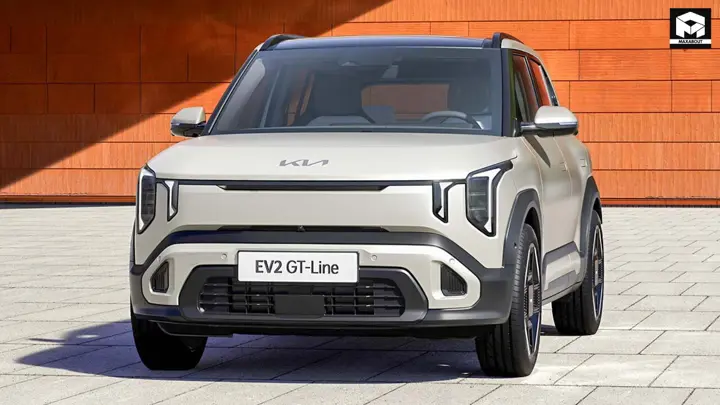
Kia's announcement of the EV2 at a global price point of EUR 26,600 (approximately ₹24 lakh) marks a significant shift in the electric vehicle landscape. I believe this strategic move could fundamentally reshape India's growing EV market, where affordable electric options remain limited.
The EV2's positioning is particularly interesting for the Indian context. While premium EVs like the Kia EV6 have found their niche, there's a massive gap in the ₹20-30 lakh segment. What catches my attention is the innovative lease structure - at EUR 239 per month, it could translate to roughly ₹22,000 monthly payments in India, making it more accessible to urban professionals.
From my analysis, the 453 km range addresses one of the biggest concerns in our market - range anxiety. This is especially relevant considering our developing charging infrastructure and long-distance travel needs.
Key Market Impact Points:
Potential to compete with premium compact SUVs
Monthly lease options could attract first-time EV buyers
Range suitable for both city use and interstate travel
Price positioning between mass-market and luxury segments
The success of the EV2 in India will largely depend on Kia's localization strategy and ability to maintain the aggressive global pricing in our market.
Technical Capabilities and Real-World Performance
Looking at the EV2's technical specifications, the 61 kWh battery pack appears well-optimized for Indian conditions. I expect the claimed 453 km range to translate to roughly 380-400 km in real-world usage, considering our climate and driving patterns. This is particularly impressive for a vehicle in this segment.
Charging Infrastructure Compatibility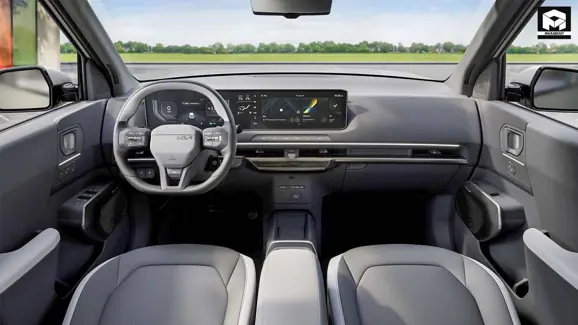
The EV2 supports fast charging that can replenish 15-80% battery capacity in approximately 25 minutes. In the Indian context, this means you could theoretically drive from Mumbai to Pune, charge during a lunch break, and continue your journey without significant delays.
Performance in Indian Conditions
Based on similar EVs I've experienced in India, here's what we can expect from the EV2:
City range: 320-350 km with air conditioning
Highway range: 280-300 km at sustained speeds
Range impact in summer: 10-15% reduction
Battery performance in traffic: Minimal degradation due to advanced thermal management
What's particularly relevant for Indian users is the EV2's ground clearance and suspension setup, which should handle our road conditions effectively. The thermal management system appears robust enough to maintain consistent performance even in peak summer temperatures, which has been a concern with many EVs in our market.
One aspect that stands out is the efficiency of the regenerative braking system, which should prove especially beneficial in stop-and-go traffic conditions typical in Indian metro cities.
Expected Price and Value Proposition in India
Looking at the European pricing of EUR 26,600 (approximately ₹24 lakh), I expect the Kia EV2 to be positioned around ₹35-38 lakh in India after accounting for import duties, taxes, and localization costs. This would place it in an interesting spot between the Tata Nexon EV Prime (₹14-19 lakh) and the MG ZS EV (₹23-27 lakh).
The monthly lease option, which could translate to roughly ₹22,000-25,000 in India, makes the EV2 quite appealing for urban professionals. When you factor in the significantly lower running costs - approximately ₹1.2 per kilometer compared to ₹8-9 for petrol vehicles - the total cost of ownership begins to make sense.
Let's break down the economics:
Monthly electricity cost (1,500 km usage): ₹1,800-2,200
Scheduled maintenance (annual): ₹8,000-12,000
Insurance (annual): ₹25,000-30,000
While the initial price point might seem steep, I believe the real value lies in the long-term savings. Based on current electricity rates and maintenance patterns in major Indian cities, owners could recover the premium over a conventional SUV within 4-5 years of regular use.
The comprehensive warranty package, which I expect will mirror Kia's existing 7-year battery warranty in India, adds another layer of value to the proposition.
Practicality and Ownership Experience
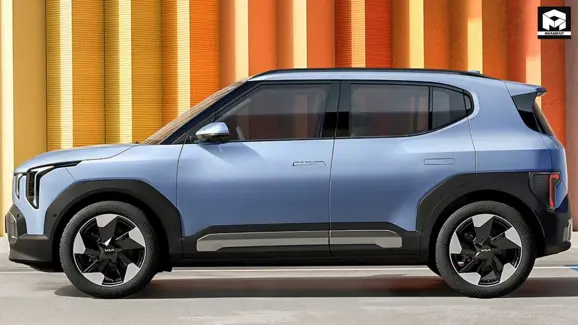
Having driven several EVs in Indian conditions, I expect the Kia EV2 to be particularly well-suited for urban environments. The 453 km range should comfortably handle a week of city commuting, though I'd recommend installing a home charger for convenience.
The cabin space appears thoughtfully designed, with ample storage solutions that matter in our market. I'm particularly impressed with the front trunk space - perfect for storing charging cables or shopping bags away from our intense summer heat.
Charging Infrastructure Considerations
While public charging is expanding in metros like Bangalore and Mumbai, I believe home charging will remain crucial. The EV2's expected compatibility with existing DC fast chargers is a significant advantage. Based on current networks, finding a fast charger along major highways shouldn't be challenging, though tier-2 cities might need some planning.
Expected charging times:
7.2 kW home charger: 8-9 hours (full charge)
50 kW DC fast charger: 30-35 minutes (10-80%)
The service network readiness is encouraging - Kia plans to have EV-trained technicians in all major service centers by launch. This addresses one of the key concerns potential electric vehicle buyers often share with me.
Market Impact and Competition
I believe the EV2's launch could significantly reshape the Indian electric vehicle landscape. At an expected price point of around ₹25-30 lakh (after conversion and taxes), it would position itself in an interesting space between mass-market EVs and premium offerings.
The timing seems strategic, as several manufacturers are planning their electric launches in this segment. I expect Hyundai and Tata Motors will need to reconsider their pricing strategy, especially for models like the upcoming Nexon EV updates and Hyundai's electric SUV plans.
From my analysis, three factors make the EV2 particularly compelling for the Indian market:
The 453 km range addresses range anxiety effectively
Kia's established brand presence provides confidence
The price point, while premium, offers strong value considering the technology
The government's recent enhancement of EV incentives, including reduced GST and state-level benefits, could make the EV2 even more attractive. I anticipate this launch will accelerate electric vehicle adoption, particularly among urban professionals who were previously hesitant due to limited options in this segment.
We might see a ripple effect in pricing across the premium EV segment, potentially bringing down prices of competing models. This competitive pressure could benefit consumers and boost overall EV adoption rates in India.
Should You Wait for the Kia EV2?
Based on current market dynamics, I believe waiting for the Kia EV2 makes sense for specific buyers. If you're planning to purchase an electric vehicle in the ₹25-30 lakh range within the next 12-18 months, the EV2 deserves serious consideration. Its expected combination of range, features, and competitive pricing could offer excellent value.
However, if you need a vehicle immediately, several compelling options already exist in the market. The timeline for the Indian launch remains uncertain - while European deliveries begin in 2026, we might see an Indian introduction by late 2026 or early 2027.
Consider waiting if you:
Can extend your purchase timeline by 12-18 months
Primarily need a city-focused electric vehicle
Value modern technology and want the latest EV architecture
For those who can't wait, I'd recommend exploring current options in the market, as established models offer proven reliability and immediate availability. The choice ultimately depends on your specific requirements, budget flexibility, and timeline constraints.
Explore the story
Related news



Share your view and join the discussion.
Earn reward points for every comment and get a chance to win ₹1,000 in our weekly lucky draw. Sign in with Google in one tap.
Start the conversation
No one has commented on this article yet. Be the first to share your view.
Want to read more automotive news?
Stay updated with the latest car launches, reviews, and industry insights.
Browse All News