
Kawasaki Z1100 vs Honda CB1000 Hornet SP: Price, Specs, and Power Compared 2025
IntroductionWhen it comes to high-performance naked sportbikes, the Kawasaki Z1100 and Honda CB1000 Hornet SP represent some of the most compelling options in the market today. As someone who's spent years analyzing motorcycle trends and specifications, I find that these two machines perfectly demon...
Introduction
When it comes to high-performance naked sportbikes, the Kawasaki Z1100 and Honda CB1000 Hornet SP represent some of the most compelling options in the market today. As someone who's spent years analyzing motorcycle trends and specifications, I find that these two machines perfectly demonstrate how different manufacturers approach the same segment with distinctive engineering philosophies.
In this comparison, I'll break down the key differences between these two powerhouses, examining everything from engine performance to technology features. Whether you're considering an upgrade or simply curious about how these two titans stack up against each other, this analysis will give you the insights you need to understand what separates these remarkable machines.
Engine Performance and Power Delivery
The heart of any motorcycle is its engine, and these two bikes take notably different approaches to delivering their thrilling performance.
Kawasaki Z1100 Engine Specifications
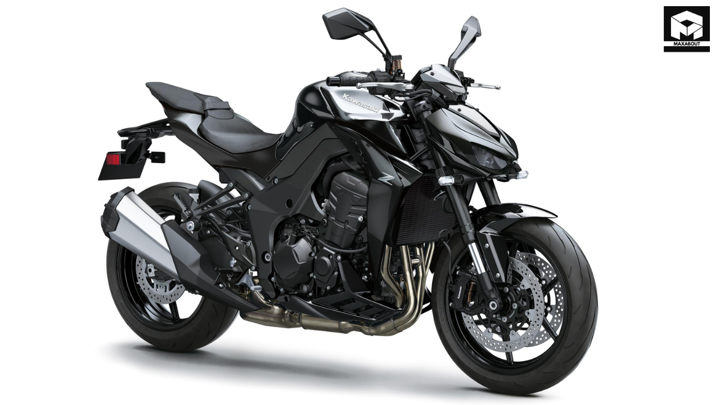
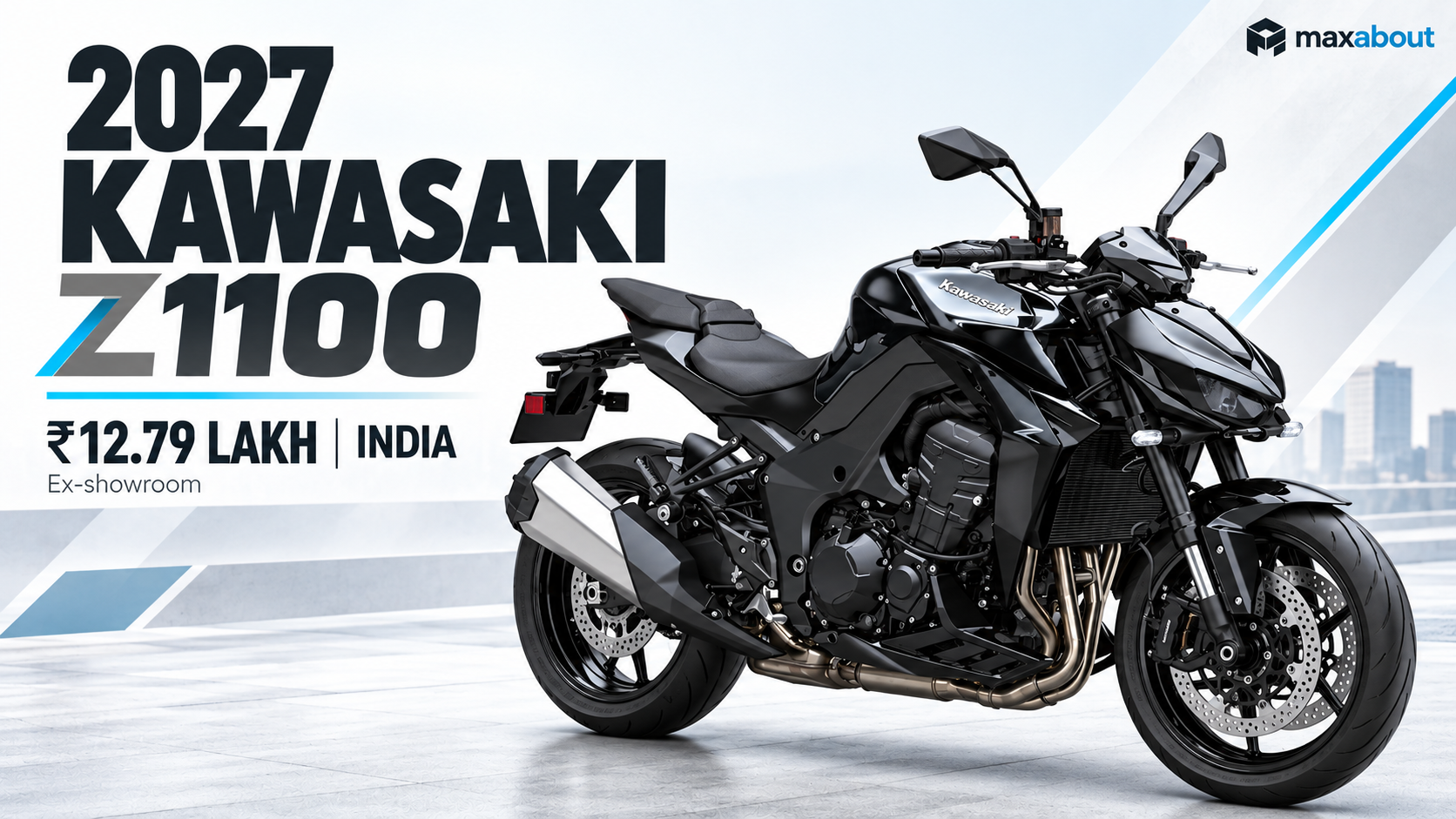
The Kawasaki Z1100 features a 1,082cc inline-four engine that typically produces around 142-145 horsepower and approximately 82 lb-ft of torque based on official specifications. What's particularly noteworthy about this powerplant is how Kawasaki has tuned it for impressive mid-range torque while still delivering an exhilarating top end.
From what I've observed in published performance tests, the Z1100's power delivery is characterized by:
- Strong acceleration from 3,000-7,000 RPM
- Linear power delivery with minimal dips in the torque curve
- Responsive throttle with refined fuel mapping
- Distinctive inline-four sound signature with Kawasaki's characteristic howl
Honda CB1000 Hornet SP Engine Specifications
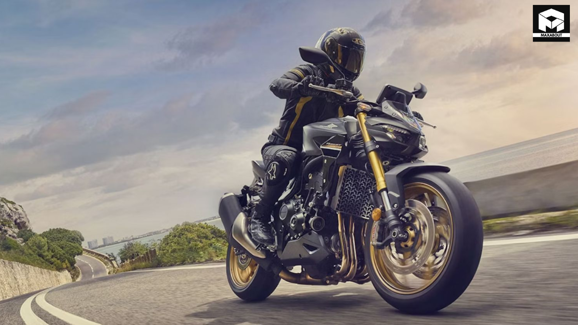
By comparison, the Honda CB1000 Hornet SP is equipped with a 998cc inline-four engine derived from Honda's sportbike lineage. According to Honda's official figures, it generates approximately 150 horsepower and 77 lb-ft of torque. The Hornet SP's engine is widely reported to have a more top-end focused character, with power building progressively as revs climb.
Based on published performance data, the Hornet SP typically offers:
- More peak horsepower than the Z1100
- Slightly less mid-range torque
- A more pronounced power surge at higher RPMs
- Honda's refined mechanical precision and reliability
Chassis, Handling, and Ergonomics
Engine specifications only tell part of the story. How these bikes handle on the road and track is equally important to the overall riding experience.
Kawasaki Z1100 Chassis and Handling
The Z1100 is built around a twin-spar aluminum frame that, according to published specifications, weighs approximately 498 pounds wet. From my analysis of expert reviews and technical data, the Z1100's handling characteristics include:
- Slightly more relaxed steering geometry for enhanced stability
- Fully adjustable suspension with quality components
- A more upright riding position that many riders find comfortable for longer journeys
- Balanced weight distribution that offers confidence-inspiring cornering
Honda CB1000 Hornet SP Chassis and Handling
The Hornet SP features a lightweight aluminum frame with a reported wet weight of around 485 pounds. According to technical analyses and professional reviews, the Hornet SP offers:
- Sharper steering geometry for more responsive handling
- Premium Showa suspension components with full adjustability
- A slightly more aggressive riding position
- Exceptional agility that excels in technical riding situations
In terms of ergonomics, the Hornet SP generally positions the rider more forward-leaning than the Z1100, which tends to offer a more neutral riding position according to published ergonomic data.
Technology and Features
Modern motorcycles are increasingly defined by their electronic aids and features. Here's how these two bikes compare in the technology department.
Kawasaki Z1100 Technology Package
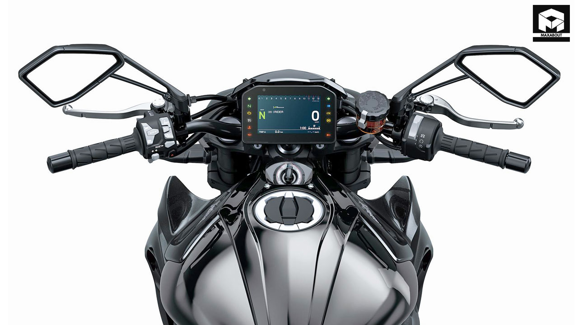
Kawasaki has equipped the Z1100 with a comprehensive electronics suite that includes:
- Multiple riding modes (typically 4-5 depending on market)
- Advanced traction control system with cornering sensitivity
- Bidirectional quickshifter as standard on most variants
- TFT display with smartphone connectivity
- LED lighting throughout
- Cornering ABS with multiple sensitivity levels
Honda CB1000 Hornet SP Technology Package
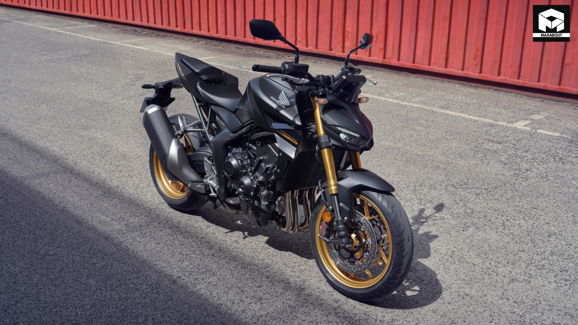
Not to be outdone, Honda has packed the Hornet SP with:
- Ride-by-wire throttle with 3 standard riding modes plus customizable settings
- Honda Selectable Torque Control (HSTC) with wheelie control
- 5-inch TFT screen with Honda RoadSync connectivity
- Emergency stop signal system
- Standard quickshifter with both up and downshift functionality
- Cornering-aware ABS
Price Comparison and Value Proposition
When comparing motorcycles in this premium segment, price becomes an important consideration, particularly in relation to the features offered.
MSRP and Market Positioning
Based on current market data, there's typically a price difference between these models:
- The Kawasaki Z1100 generally retails between $13,500 - $14,500 depending on market and trim
- The Honda CB1000 Hornet SP is usually priced between $14,500 - $15,500 in most markets
This price difference of approximately $1,000 needs to be evaluated against the specific features and performance characteristics that matter most to individual riders.
Value Considerations
When analyzing value, we need to consider several factors beyond just the sticker price:
- Maintenance costs: Honda motorcycles often report slightly lower long-term maintenance costs according to consumer surveys
- Depreciation: Both brands hold their value reasonably well, with data suggesting minimal differences in depreciation rates
- Warranty: Both typically offer 24-month warranties, though dealer support networks may vary by region
- Fuel efficiency: The Hornet SP typically shows a slight advantage in reported fuel economy figures
Frequently Asked Questions
Which bike is better for daily commuting?
Based on ergonomics and reported comfort levels, the Kawasaki Z1100 generally offers a more comfortable proposition for daily commuting due to its more upright riding position and slightly more relaxed ergonomics. However, the Honda's lighter weight might make it more manageable in heavy traffic according to user feedback.
Which motorcycle has better aftermarket support?
Both bikes enjoy strong aftermarket support, but Kawasaki's longer history with the Z series means there might be a wider variety of aftermarket parts available for the Z1100. That said, Honda's global presence ensures good parts availability for the Hornet SP as well.
How do these bikes compare for track days?
According to track testing reports, the Honda CB1000 Hornet SP typically demonstrates a slight edge in track performance due to its sharper handling characteristics and more aggressive riding position. However, the Kawasaki's stronger mid-range torque can make it more forgiving for amateur track riders.
Conclusion
After analyzing these two exceptional motorcycles, it's clear that both offer tremendous performance and value, albeit with different characters. The Kawasaki Z1100 presents itself as a slightly more versatile all-rounder with strong mid-range power and marginally more comfortable ergonomics. In contrast, the Honda CB1000 Hornet SP leans more toward the sporty end of the spectrum with its sharper handling and more top-end focused power delivery.
For riders who prioritize all-day comfort while still wanting exhilarating performance, the Kawasaki might have the edge. Those who place a premium on razor-sharp handling and maximum performance might find the Honda more to their liking despite its slightly higher price tag.
Ultimately, both motorcycles represent the pinnacle of their respective manufacturers' engineering prowess in the naked sportbike category. Your personal riding style, preferences, and intended use should guide your decision between these two exceptional machines. I'd recommend test riding both if possible, as the subjective experience of how each bike feels under you will likely be the deciding factor.
Explore the story
Related news
Share your view and join the discussion.
Earn reward points for every comment and get a chance to win ₹1,000 in our weekly lucky draw. Sign in with Google in one tap.
Start the conversation
No one has commented on this article yet. Be the first to share your view.
Want to read more automotive news?
Stay updated with the latest car launches, reviews, and industry insights.
Browse All News