
JSW Motors' First SUV Launch 2026: What You Need to Know
JSW Motors' Entry Marks A New Chapter In Indian AutomotiveThe Indian automotive landscape is witnessing a significant transformation as JSW Motors, backed by the $24 billion JSW Group, prepares to launch its first passenger vehicle before Diwali 2026. This isn't just another car launch – it represen...
Editorial Team
JSW Motors' Entry Marks A New Chapter In Indian Automotive
The Indian automotive landscape is witnessing a significant transformation as JSW Motors, backed by the $24 billion JSW Group, prepares to launch its first passenger vehicle before Diwali 2026. This isn't just another car launch – it represents a strategic shift in India's manufacturing capabilities and automotive ambitions.
What makes this entry particularly noteworthy is JSW's comprehensive approach. Rather than simply importing technology, the company is establishing a massive manufacturing facility in Chhatrapati Sambhaji Nagar, Maharashtra, with an ambitious annual capacity of 500,000 units. [livemint.com](http://www.livemint.com) reports that JSW is adopting a 'Chaebol-style' strategy, leveraging its existing strengths in steel, paint, and power to build a vertically integrated automotive operation.
The company's roadmap includes:
A premium PHEV SUV launch in June 2026, priced around ₹45 lakh
25 new models planned by 2030, spanning EVs and hybrids
Focus on mainstream electric vehicles by 2027
For Indian consumers, this entry promises increased competition in the premium segment and potentially more affordable electric vehicles in the future. With JSW's strong industrial background and commitment to local manufacturing, we might finally see truly Indian-engineered vehicles competing on the global stage.
JSW's First Vehicle: What We Know So Far
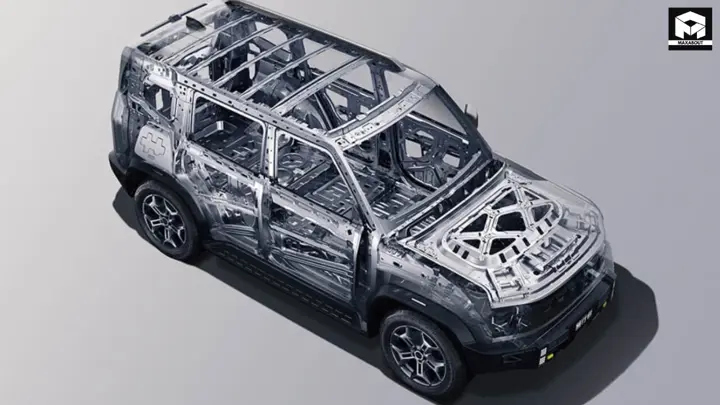
Based on recent announcements and my analysis of industry reports, JSW Motors is making significant strides with their first vehicle launch. The company has confirmed it will be a premium SUV based on the Jetour T2 platform, targeting the ₹15-30 lakh segment.
Technical Specifications and Manufacturing
The vehicle will feature a plug-in hybrid powertrain, combining a 1.5-litre turbo-petrol engine with electric motors. I'm particularly impressed by JSW's commitment to localization - they're targeting 80% local content from October 2026, which should help control costs in the long run.
Production and Assembly
Assembly will begin at their Maharashtra facility in August 2026. From what we know, the plant has an initial capacity of 200,000 units annually, with room for expansion. The company is taking a pragmatic approach by starting with local assembly before ramping up to full manufacturing.
Key Features Expected
Dual-screen layout with digital driver display
Panoramic sunroof
Ventilated front seats
Advanced driver assistance systems
Connected car technology
Looking at the specifications and feature list, I believe JSW is positioning this vehicle as a technology-rich offering that could challenge established players in the premium SUV segment. The focus on local manufacturing and hybrid technology shows a good understanding of what Indian buyers want - modern features with practical running costs.
Dealer Network Strategy
Based on recent industry reports, JSW Motors is taking a fresh approach to automotive retail in India. Rather than rushing to establish traditional showrooms everywhere, they're adopting what I'd call a "smart-scale" strategy.
The company plans to launch with approximately 25 experience centers in major metros like Mumbai, Delhi-NCR, Bengaluru, and Chennai. What's interesting is their digital-first sales model, where customers can complete most of the purchase journey online. This makes sense given that nearly 85% of Indian car buyers now research vehicles digitally before purchase.
Service Network Innovation
For after-sales support, JSW is developing a hub-and-spoke model with:
Central service hubs in major cities
Mobile service units for routine maintenance
Digital service booking and real-time tracking
Transparent pricing structure with standardized labor rates
I think JSW's approach reflects the changing preferences of Indian buyers who value convenience and transparency. The focus on digital integration while maintaining physical touchpoints for critical aspects like test drives and service shows good understanding of the market. Their target of 80% localization should also help keep spare parts costs reasonable - a crucial factor for success in India's value-conscious market.
Challenges and Opportunities Ahead
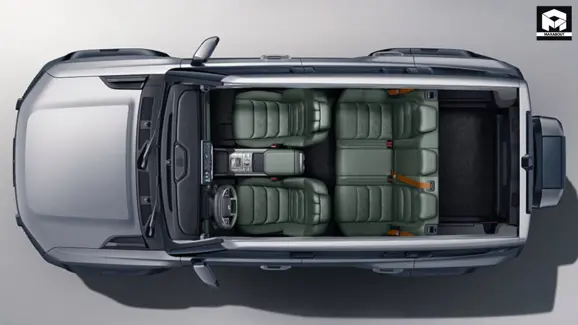
As JSW Motors gears up for its late-2026 launch, I see both significant hurdles and promising opportunities ahead. The company faces an uphill battle in a market where established players have deep roots.
Key Challenges
Building a new automotive brand in India requires enormous investment and patience. JSW will need to navigate complex regulatory approvals, especially for their plug-in hybrid powertrain. Quality consistency could be tricky as they ramp up production with new suppliers.
Brand trust will take time to establish - Indian buyers are traditionally cautious with new automotive brands. The ₹15-30 lakh price segment is also fiercely competitive, with strong offerings from established manufacturers.
Growth Opportunities
However, JSW's industrial expertise and strong financial backing could prove advantageous. Their steel manufacturing prowess should help control production costs. The premium SUV market continues growing at 15-20% annually, suggesting room for new players.
Manufacturing Strength: Access to high-grade steel and existing industrial infrastructure
Market Timing: Growing demand for premium hybrid vehicles
Government Support: Favorable policies for local manufacturing and electrification
The success will largely depend on how well JSW executes its launch strategy and maintains consistent quality. Their focus on high localization from the start appears strategically sound for long-term sustainability.
Impact on Indian Automotive Market
JSW's entry into the automotive sector marks a significant shift in India's manufacturing landscape. With their target price range of ₹15-30 lakh, they're positioning themselves squarely in the premium segment where established players like Hyundai and Tata currently dominate.
I believe this move will create three major ripple effects:
Competition in Hybrid Space: Existing manufacturers may need to accelerate their hybrid vehicle launches or risk losing market share in this growing segment
Component Ecosystem: The company's push for 80% localization will likely attract more auto component manufacturers, potentially reducing costs across the industry
Technology Standards: Their focus on premium features could raise consumer expectations, pushing other manufacturers to upgrade their offerings
The real game-changer could be JSW's integrated approach to manufacturing. Their steel-to-showroom strategy might help them maintain better cost control than competitors who rely heavily on imported components. This could eventually lead to more competitive pricing in the premium segment.
However, success isn't guaranteed. The Indian market has seen several ambitious automotive projects struggle despite strong backing. The key differentiator will be how well JSW manages the crucial first year of sales and after-sales service, especially given Indian consumers' high expectations for reliability and service network coverage.
For consumers, this entry promises more choices in the premium hybrid segment, potentially better value for money, and access to locally developed technology suited for Indian conditions.
Consumer Expectations and Market Positioning
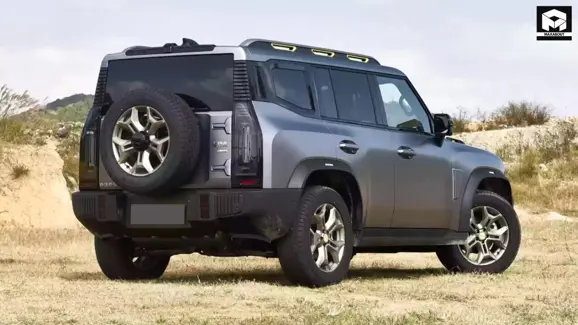
As JSW Motors prepares to enter the ₹15-30 lakh segment, potential buyers are watching closely for several key factors that will determine the success of their first SUV:
Value Proposition
With 80% localization planned from October 2026, JSW stands to offer competitive pricing in the premium SUV space. The plug-in hybrid powertrain should appeal to buyers seeking the best of both worlds - electric efficiency for daily commutes and petrol reliability for longer journeys.
Size and Presence
At roughly 4.7 meters length, the upcoming SUV will offer substantial road presence - larger than established players like the Hyundai Creta. This positioning could attract families looking for a premium upgrade from their current midsize SUVs.
Expected Features
The dual-screen layout and premium comfort features suggest JSW is targeting tech-savvy urban professionals who want modern amenities without compromising on practicality. Based on recent automotive trends, we can expect:
Advanced driver assistance systems
Connected car technology
Premium interior materials
Flexible seating configurations
The real test will be how well JSW can build trust among Indian consumers who traditionally prefer established automotive brands. Their industrial heritage and commitment to localization could work in their favor, especially if backed by a robust dealer network and competitive warranty package.
Future Roadmap and Product Pipeline
JSW Motors has laid out an ambitious expansion strategy through 2030. Based on recent industry reports, the company plans to invest over ₹15,000 crore in product development and manufacturing facilities. Their initial focus appears to be on the premium mid-size segment, with their first SUV targeting the ₹15-30 lakh price range.
The product roadmap looks particularly interesting. Beyond their Diwali 2026 launch model and the confirmed 2027 release, I expect we'll see:
A compact SUV in the ₹10-15 lakh segment by 2028
A premium electric sedan around 2029
Multiple hybrid powertrains across segments
What's particularly noteworthy is JSW's commitment to local manufacturing. Their plan to achieve 80% localization from October 2026 shows serious intent. The company will produce everything from battery packs to body panels at their upcoming facility.
Technology Investment Focus
The group appears to be betting big on three core areas:
Electric Mobility: Development of indigenous battery technology
Manufacturing: Advanced automation and Industry 4.0 practices
Software: In-house development of vehicle software and connected features
While the plans look promising on paper, successful execution will depend heavily on market acceptance and the company's ability to deliver consistent quality. The automotive sector isn't particularly forgiving to newcomers, but JSW's industrial experience could prove valuable in navigating these challenges.
Explore the story
Related news
Share your view and join the discussion.
Earn reward points for every comment and get a chance to win ₹1,000 in our weekly lucky draw. Sign in with Google in one tap.
Start the conversation
No one has commented on this article yet. Be the first to share your view.
Want to read more automotive news?
Stay updated with the latest car launches, reviews, and industry insights.
Browse All News