
Hyundai 2026 Compact SUVs: Which One Wins on Features and Price?
Hyundai's Big Bet on Compact SUVsHyundai isn't playing around anymore. The automaker has announced plans to roll out three new compact SUVs in 2026, and honestly, the timing couldn't be better. The compact SUV segment is absolutely exploding right now, with buyers ditching sedans faster than you can...
Automotive Journalist
Hyundai's Big Bet on Compact SUVs
Hyundai isn't playing around anymore. The automaker has announced plans to roll out three new compact SUVs in 2026, and honestly, the timing couldn't be better. The compact SUV segment is absolutely exploding right now, with buyers ditching sedans faster than you can say "ground clearance."
I've watched Hyundai's transformation over the past decade, and it's been nothing short of remarkable. They've gone from being the budget option to a genuine contender that makes vehicles people actually desire. These three new SUVs represent another step in that evolution, targeting different price points and buyer preferences within the compact segment.
What makes this particularly interesting is Hyundai's track record. Models like the Creta and Venue have consistently topped sales charts in multiple markets, proving the company understands what compact SUV buyers want. Now they're doubling down on that success.
Breaking Down the Three New Models
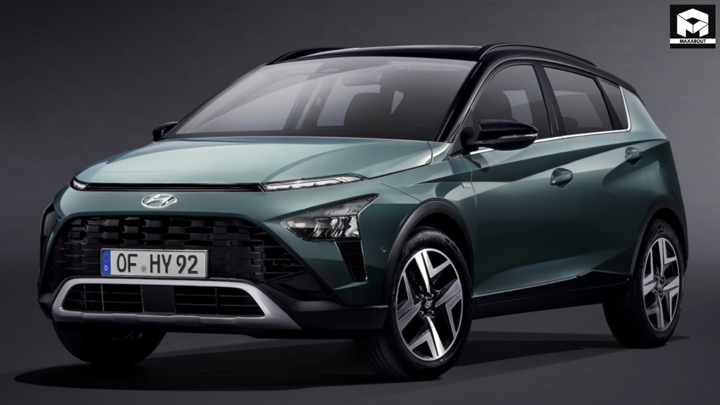
The Entry-Level Contender
Reports suggest the first model will slot below the current Venue, targeting first-time SUV buyers and urban dwellers. Think of it as Hyundai's answer to the growing demand for micro-SUVs that offer SUV styling without the bulk or premium price tag.
This segment has seen explosive growth, particularly in developing markets where buyers want something more commanding than a hatchback but don't need a full-size SUV. Industry analysts expect this model to feature:
- Compact dimensions ideal for city driving and tight parking spaces
- Efficient powertrain options, likely including a hybrid variant
- Modern connectivity features typically reserved for pricier models
- Competitive pricing to undercut established rivals
- Youthful design language appealing to younger demographics
The Volume Driver
The second SUV appears positioned to complement or potentially replace the wildly successful Creta in certain markets. This is where Hyundai will likely pull out all the stops, as this segment generates the highest sales volumes globally.
From what industry insiders have indicated, this model will focus on:
- Spacious interiors with genuine three-row seating or exceptional cargo capacity
- Advanced driver assistance systems becoming standard equipment
- Multiple powertrain choices including turbocharged and electrified options
- Premium materials and build quality rivaling luxury brands
- Competitive pricing that undercuts Japanese and European competitors
This is where the rubber meets the road. Get this model right, and Hyundai could dominate the segment for years. The automaker has consistently demonstrated they understand this sweet spot between affordability and features.
The Premium Play
The third model reportedly aims higher, targeting buyers considering entry-level luxury SUVs. Hyundai has been slowly moving upmarket, and this SUV represents their most ambitious attempt yet to challenge premium brands on their home turf.
Expect this model to showcase:
- Sophisticated design language with premium materials throughout
- Cutting-edge technology including advanced infotainment and connectivity
- Powerful engine options, possibly including performance variants
- Extensive standard equipment lists that shame luxury competitors
- Pricing that significantly undercuts traditional luxury brands while matching features
Platform and Technology Expectations
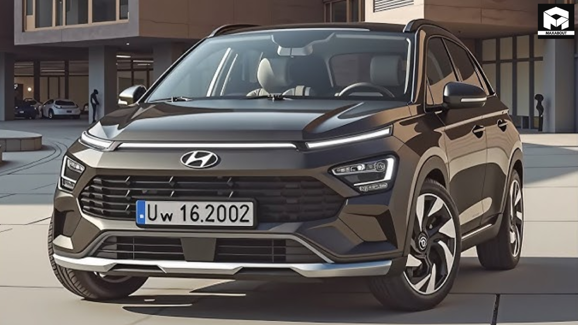
Here's where things get technically interesting. Hyundai will likely utilize variants of their existing platforms, probably the K platform that underpins many current models. But don't let that fool you into thinking these are just rebadged vehicles.
Modern automotive platforms are incredibly flexible. The same basic architecture can support wildly different vehicles with distinct characteristics, wheelbase lengths, and feature sets. It's like building different houses on similar foundations – the end result can vary dramatically.
Powertrain Possibilities
The powertrain lineup will likely include a diverse range of options to meet varying market requirements and regulations:
- Traditional Internal Combustion: Efficient turbocharged gasoline engines ranging from 1.0L to 1.5L displacement
- Hybrid Systems: Mild-hybrid or full-hybrid configurations for improved fuel economy
- Diesel Options: Available in markets where diesel remains popular and cost-effective
- Electric Variants: Potentially fully electric versions depending on market infrastructure and demand
Hyundai has invested heavily in electrification technology, and these SUVs will likely showcase that commitment. Even base models might feature mild-hybrid systems that were luxury car territory just a few years ago.
Market Positioning and Competition
Let's talk about the elephant in the room – competition. The compact SUV space is absolutely packed right now. You've got established players like Toyota, Honda, Nissan, and Kia all fighting for the same customers. Then there are aggressive challengers from Chinese manufacturers offering incredible value propositions.
Hyundai's advantage lies in their proven ability to bundle features, quality, and design at price points competitors struggle to match. They've mastered the art of giving buyers "luxury car" experiences without luxury car payments.
Regional Strategy Differences
One fascinating aspect is how Hyundai will likely tailor these models for different markets. What works in India might not resonate in North America or Europe. We commonly see manufacturers adjusting everything from dimensions to feature sets based on regional preferences.
For instance, markets like India prioritize fuel efficiency and rear-seat space, while North American buyers typically want more power and technology features. European customers often demand refined handling and premium materials. Hyundai has proven they can juggle these different requirements successfully.
Design Language and Interior Innovation
If recent Hyundai models are any indication, these new compact SUVs will feature bold, distinctive styling that stands out in parking lots full of bland crossovers. The company has committed to their "Sensuous Sportiness" design philosophy, which sounds like marketing speak but actually produces attractive vehicles.
Inside, expect the cabin experience to punch above the price class. Hyundai has been absolutely killing it with interior quality lately, using materials and assembly techniques that shame vehicles costing twice as much.
Technology Integration
Technology will be a major differentiator. We're talking about:
- Large touchscreen infotainment systems with wireless smartphone integration
- Digital instrument clusters with customizable displays
- Advanced driver assistance systems including adaptive cruise control and lane-keeping
- Connected car features allowing remote vehicle monitoring and control
- Premium audio systems in higher trim levels
The democratization of automotive technology is real, and Hyundai is leading that charge. Features that were luxury car exclusives five years ago are becoming standard equipment in mainstream models.
What This Means for Buyers
If you're in the market for a compact SUV in 2026 or beyond, Hyundai's three new models will definitely deserve consideration. The increased competition benefits everyone by pushing manufacturers to offer more for less.
Here's my take on who should pay attention:
First-time SUV buyers will find the entry-level model offers genuine utility without financial stress. It's a smart entry point into the segment that won't leave you feeling like you compromised too much.
Families needing practical transportation should watch the mid-range volume model closely. If Hyundai delivers on space, features, and reliability, it could be the sweet spot vehicle that does everything well without breaking the bank.
Buyers considering luxury brands might be pleasantly surprised by the premium model. Why pay $15,000 more for a badge when you can get equivalent features, similar quality, and better warranty coverage?
Challenges and Considerations
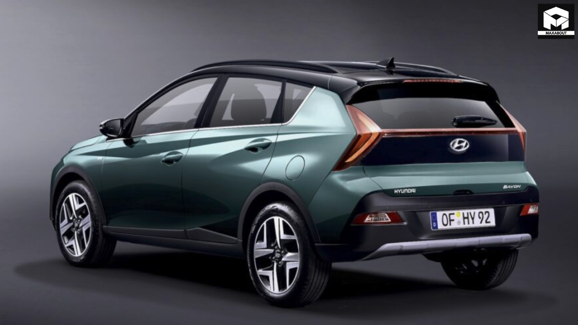
It's not all sunshine and roses, though. Launching three new models simultaneously is ambitious and carries risks. Manufacturing capacity, supply chain coordination, and quality control become exponentially more complex.
There's also the question of market timing. The automotive industry is going through massive transformation with electrification, and regulations are changing rapidly. Models that seem perfectly positioned today might face challenges tomorrow if regulations shift or consumer preferences change dramatically.
Additionally, Hyundai needs to ensure these three models don't cannibalize each other's sales. The positioning and pricing need surgical precision to avoid internal competition that undermines the entire strategy.
Frequently Asked Questions
When exactly will these Hyundai compact SUVs launch?
Reports indicate a 2026 timeline, though specific launch dates will likely vary by market. Manufacturers typically stagger releases to manage production capacity and market attention effectively. Expect announcements throughout 2025 with actual deliveries beginning in early to mid-2026.
Will these models be available globally?
Not necessarily all three in every market. Automakers commonly develop region-specific models or variants to match local preferences, regulations, and price sensitivities. Some models might remain exclusive to certain regions while others get global distribution.
What price range should we expect?
While official pricing hasn't been announced, industry patterns suggest the entry-level model could start around $18,000-$22,000, the volume model between $25,000-$32,000, and the premium variant from $35,000-$45,000. These ranges vary significantly by market and specification.
Will electric versions be available from launch?
This depends on market infrastructure and regulations. Some regions might receive electric variants from day one, while others might see them introduced later as charging infrastructure develops and battery costs decrease. Hybrid options seem more likely across all markets initially.
How will these compare to Kia's compact SUV lineup?
Hyundai and Kia share platforms and technology but target slightly different buyer demographics. Generally, Hyundai focuses on sophisticated, premium-leaning designs while Kia emphasizes sporty, youthful aesthetics. Both offer excellent value, so the choice often comes down to styling preference and specific feature availability.
Conclusion
Hyundai's plan to launch three new compact SUVs in 2026 represents a bold strategic move that could reshape the segment. With proven success in this category, the company isn't experimenting – they're doubling down on what works while pushing boundaries on design, technology, and value.
The compact SUV market will only get more competitive, and that's fantastic news for consumers. More choice, better features, and competitive pricing benefit everyone except perhaps the accountants at competing manufacturers.
What really excites me about these upcoming models is Hyundai's demonstrated commitment to giving buyers genuine value rather than cutting corners to hit price points. If they maintain that philosophy while incorporating the latest technology and design, these three SUVs could set new benchmarks for the segment.
The automotive landscape is changing rapidly, and manufacturers that adapt quickly while maintaining quality will thrive. Hyundai has shown they can do exactly that. These three compact SUVs launching in 2026 might just be the vehicles that cement Hyundai's position as a mainstream powerhouse that genuinely competes with anyone, regardless of badge prestige.
For buyers, the message is clear: wait and see what Hyundai brings to the table before making your next compact SUV purchase. The options arriving in 2026 could offer everything you need at prices that make premium alternatives seem overpriced. And isn't that exactly what we all want from the automotive industry?
Explore the story
Related news

Share your view and join the discussion.
Earn reward points for every comment and get a chance to win ₹1,000 in our weekly lucky draw. Sign in with Google in one tap.
Start the conversation
No one has commented on this article yet. Be the first to share your view.
Want to read more automotive news?
Stay updated with the latest car launches, reviews, and industry insights.
Browse All News