
Hyundai Ioniq 5 Listed with Discounts of up to Rs. 10 Lakh
Why Is Hyundai Offering Such Massive Discounts?When you see a Rs. 10 lakh discount on a premium electric vehicle, your first thought might be "what's the catch?" Let me assure you, there's no catch—just smart market dynamics at play.The Indian EV market is heating up faster than a laptop running a d...
Why Is Hyundai Offering Such Massive Discounts?
When you see a Rs. 10 lakh discount on a premium electric vehicle, your first thought might be "what's the catch?" Let me assure you, there's no catch—just smart market dynamics at play.
The Indian EV market is heating up faster than a laptop running a dozen Chrome tabs. Hyundai is facing increased competition from players like BYD, MG, and even Tesla's potential entry. According to industry reports, automakers typically offer substantial incentives when they're either clearing inventory for newer models or aggressively pushing market share.
In the Ioniq 5's case, it's likely a combination of factors. The car has been on sale since early 2022, and Hyundai may be preparing ground for updated variants or simply wants to boost numbers before the fiscal year ends. These kinds of discounts often appear when dealerships have stock they need to move.
Here's what I've observed in the market:
- Year-end sales pushes typically bring 10-15% discounts on premium vehicles
- Electric vehicles often see steeper discounts due to lower demand volumes
- Dealerships may offer additional benefits on top of manufacturer discounts
- Stock clearance for MY2022 or MY2023 units before newer batches arrive
Breaking Down the Discount Structure
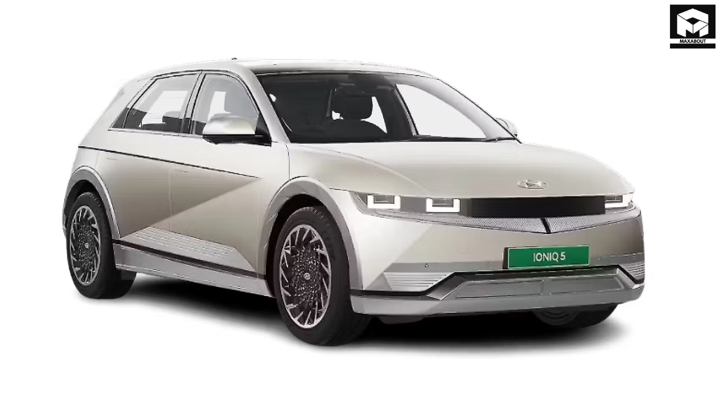
The "up to Rs. 10 lakh" headline needs some unpacking. Not everyone walks away with the full discount amount, and understanding the breakdown helps set realistic expectations.
What Typically Makes Up These Discounts
From what dealers are reporting, the discount package usually includes:
- Direct cash discount: Rs. 2-3 lakh off the invoice price
- Exchange bonus: Rs. 1-2 lakh if you're trading in an old vehicle
- Corporate discount: Additional Rs. 50,000-1 lakh for corporate buyers
- Loyalty bonus: Rs. 50,000 for existing Hyundai customers
- Financing offers: Reduced interest rates or cashback on financing
The math works out to Rs. 10 lakh when you stack everything together. But realistically, most individual buyers will see discounts in the Rs. 4-6 lakh range, which is still substantial.
Which Variants Are Getting the Biggest Cuts?
Generally, higher-spec variants see larger absolute discounts. The Ioniq 5 comes in two main variants in India—the standard range and long range AWD. Reports suggest both are part of the discount scheme, though the top-spec long range AWD variant (originally priced around Rs. 45-46 lakh) tends to have more negotiating room.
Hyundai Ioniq 5: Is It Worth It Even With Discounts?
Discounts are attractive, but they shouldn't be the only reason you buy a car. Let me walk you through what makes the Ioniq 5 special—and where it might fall short.
What I Really Like About the Ioniq 5
The Ioniq 5 isn't just another electric SUV. It's got character, and that matters when you're spending this kind of money.
Design that turns heads: The retro-futuristic design is polarizing, but I find it refreshing. In a sea of generic crossovers, the Ioniq 5 looks like it came from a sci-fi movie. Those pixel LED lights and clean lines? Chef's kiss.
Interior space and comfort: Built on Hyundai's dedicated E-GMP platform, this thing is spacious. The flat floor, sliding center console, and reclining seats make it feel more like a lounge than a car. I genuinely appreciate when manufacturers use the packaging advantages of EVs properly.
Tech that actually works: Dual 12-inch screens, augmented reality HUD, and over-the-air updates. But more importantly, the infotainment system is intuitive. Too many cars have flashy tech that's frustrating to use daily.
Real-world range: The long-range version offers a 72.6 kWh battery with claimed range around 631 km (ARAI). Real-world numbers typically come in around 450-500 km with mixed driving, which is genuinely practical for most people.
The Practical Concerns
I won't sugarcoat it—there are legitimate reasons to pause before buying.
Charging infrastructure: India's public charging network is growing but still patchy. Unless you have reliable home charging, long trips require planning. Fast charging is available but finding working chargers can be hit-or-miss outside major cities.
Service network concerns: Hyundai has a solid service network for their regular cars, but EV-specific service expertise varies by location. Users on forums often mention longer waiting periods for battery-related diagnostics.
Resale value uncertainty: The EV resale market in India is still developing. While discounts make the purchase attractive now, future resale values remain somewhat unpredictable compared to established ICE vehicles.
Comparing the Discounted Price to Competitors
With Rs. 6-10 lakh off, the Ioniq 5's effective price drops significantly. Let's see how it stacks up.
| Model | Approximate Price | Range (Claimed) | Key Advantage |
|---|---|---|---|
| Hyundai Ioniq 5 (with discount) | Rs. 36-40 lakh | 631 km | Premium features, design |
| MG ZS EV | Rs. 22-28 lakh | 461 km | More affordable entry point |
| BYD Atto 3 | Rs. 34-38 lakh | 521 km | Newer entrant, competitive pricing |
| Kia EV6 | Rs. 60+ lakh | 708 km | Performance, longer range |
With the discount, the Ioniq 5 sits in an interesting sweet spot—more premium than the MG ZS EV, comparably priced to the BYD Atto 3, but significantly cheaper than its sibling, the Kia EV6.
Who Should Grab This Deal Right Now?
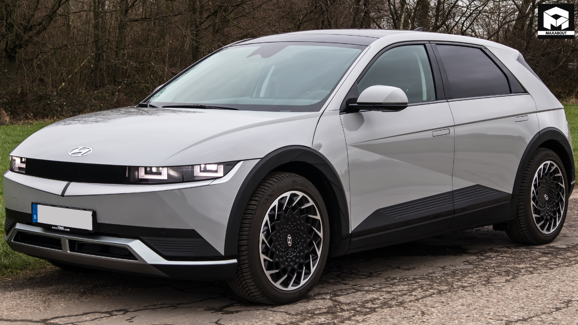
Not everyone needs to jump on this immediately. Here's my honest take on who benefits most.
Perfect If You're:
- Ready for EV ownership: You've got home charging sorted or reliable access to chargers
- Looking for a premium experience: You want features and comfort, not just basic transportation
- Within the 300-400 km daily use case: Your typical driving patterns fit well within the range
- Seeking something different: You appreciate unique design over conventional SUV looks
- Environmentally conscious with budget flexibility: You want to reduce emissions but need the discount to justify the price
Hold Off If You're:
- Frequently driving long distances without charging infrastructure
- In a smaller city with limited Hyundai service presence
- Expecting this to be dramatically cheaper than alternatives—even with discounts, it's premium-priced
- Concerned about being an early adopter of EV technology
- Planning to resell within 2-3 years (resale values remain uncertain)
Negotiating Tips to Maximize Your Discount
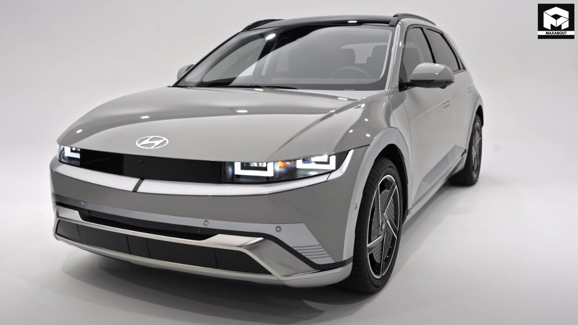
If you've decided to go for it, here's how to squeeze out every rupee of savings.
Visit Multiple Dealerships
Discount structures can vary between dealerships. I always recommend getting quotes from at least 3-4 authorized dealers. Some have older stock they're more motivated to move.
Stack Your Discounts Strategically
Ask specifically about:
- Base discount applicable to all customers
- Exchange bonus (even if your old car is modest)
- Corporate discount (many companies have tie-ups—ask your HR)
- Loyalty benefits (if you own any Hyundai vehicle)
- Financing offers (sometimes choosing dealer financing unlocks additional savings)
Timing Matters
Month-end and quarter-end typically see the best deals as salespeople push to meet targets. Financial year-end (March) often brings maximum discounts industry-wide.
Don't Forget the Add-Ons
Negotiate for free accessories, extended warranty, or free service packages. These add real value and dealers have more flexibility here than on the base price.
The Ownership Cost Equation
Purchase price is just one part of the story. Let me break down what ownership actually costs.
Charging Costs
Home charging typically costs Rs. 8-12 per kWh depending on your electricity tariff. For the 72.6 kWh battery, a full charge costs approximately Rs. 600-900. If you're averaging 450 km per charge, that's roughly Rs. 1.3-2 per kilometer.
Compare that to a petrol SUV getting 12 km/l with fuel at Rs. 100/liter—that's Rs. 8.3 per kilometer. The savings are substantial over time.
Maintenance Advantages
EVs have fewer moving parts. No oil changes, no transmission services, no exhaust system maintenance. Service costs are typically 30-40% lower than equivalent ICE vehicles. However, if you do need battery service or electronics repair, costs can be higher.
Insurance Considerations
Insurance for EVs runs slightly higher due to expensive components, but the difference is marginal. Expect to pay 10-15% more than a similarly priced ICE vehicle.
Frequently Asked Questions
Are these discounts available across all of India?
Discount availability varies by region and dealership inventory. Metropolitan cities with higher stock levels typically offer better deals. Always check with your local authorized dealer for specific offers in your area.
Will the discount affect warranty or service?
Not at all. Factory warranty remains the same regardless of discounts. The Ioniq 5 typically comes with a 3-year/unlimited km vehicle warranty and an 8-year/160,000 km battery warranty.
Is the Ioniq 5 getting a facelift soon?
Hyundai hasn't officially announced an updated model for the Indian market yet. Globally, the Ioniq 5 received some updates for 2024, but Indian launches typically lag by several months. Large discounts could indicate preparation for a refresh, but nothing's confirmed.
Can I install a home charger easily?
If you have dedicated parking with electrical access, installation is straightforward. Hyundai typically assists with charger installation as part of the purchase. A 7.2 kW home charger costs around Rs. 50,000-80,000 installed and can fully charge the battery in about 10 hours.
How does the Ioniq 5 perform in Indian conditions?
User reports suggest it handles Indian roads reasonably well. The 182mm ground clearance is adequate for most conditions. Battery thermal management handles heat effectively, though extreme temperatures can impact range by 10-15%—pretty standard for EVs.
Final Thoughts: Should You Take the Plunge?
A Rs. 10 lakh discount sounds dramatic, and honestly, it makes the Ioniq 5 significantly more appealing than it was at launch. If you're already EV-curious and the infrastructure works for your lifestyle, this is probably the best time to buy one.
Here's my honest assessment: the Ioniq 5 is a genuinely good electric SUV. It's well-built, feature-packed, and offers a premium experience that justifies its positioning. The design might not be everyone's cup of tea, but I respect Hyundai for taking risks.
The discount makes it competitive with options that previously seemed like better value. At Rs. 36-40 lakh effective price (depending on discounts you qualify for), you're getting a lot of car. But—and this is important—only if EV ownership makes practical sense for your situation.
Don't buy it just because of the discount. Buy it because you want an electric SUV, you appreciate what the Ioniq 5 offers, and the discount makes it financially accessible. If you're stretching your budget or compromising on your actual needs just to grab a deal, that's a recipe
Explore the story
Related news



Share your view and join the discussion.
Earn reward points for every comment and get a chance to win ₹1,000 in our weekly lucky draw. Sign in with Google in one tap.
Start the conversation
No one has commented on this article yet. Be the first to share your view.
Want to read more automotive news?
Stay updated with the latest car launches, reviews, and industry insights.
Browse All News