
Hyundai Crater Concept: Extreme Off-Road SUV Unveiled
Hyundai just dropped something wild that's turning heads in the automotive world – the Crater concept. This isn't your typical crossover with pretend adventure capabilities. We're talking about a serious extreme off-road machine that looks like it rolled straight out of a sci-fi movie set on Mars. T...
By Nitin Dhiman
Automotive Writer
Hyundai just dropped something wild that's turning heads in the automotive world – the Crater concept. This isn't your typical crossover with pretend adventure capabilities. We're talking about a serious extreme off-road machine that looks like it rolled straight out of a sci-fi movie set on Mars. The Korean automaker is clearly signaling that they're not content playing it safe anymore, and honestly, I'm here for it.
What Makes the Hyundai Crater Stand Out
Let me tell you, when I first saw images of the Crater, my jaw practically hit the floor. This thing is radically different from anything Hyundai's produced before. The name itself – Crater – hints at the extraterrestrial inspiration behind this beast.
The design language is aggressive and purposeful. We're looking at massive wheel arches, exposed mechanical components, and a stance that screams capability rather than just style. It's refreshing to see a concept that doesn't look like it would get stuck in a parking lot speed bump.
Design Philosophy That Breaks the Mold
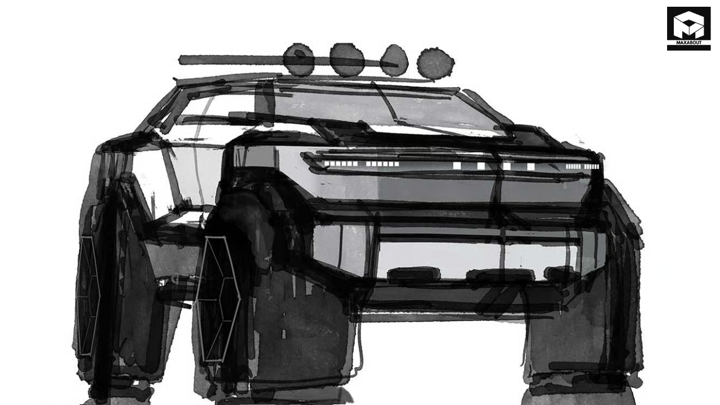
The exterior design takes cues from industrial machinery and aerospace engineering. Sharp angles dominate the profile. Protective plating wraps around vulnerable components. According to industry observations, concept vehicles like this typically influence production models down the line, even if the extreme elements get toned down.
What strikes me most is how functional everything appears. This isn't just a clay model with fake vents and non-functional scoops. Every design element seems to serve a purpose – whether that's protection, cooling, or improving approach angles.
Engineering and Capability Features
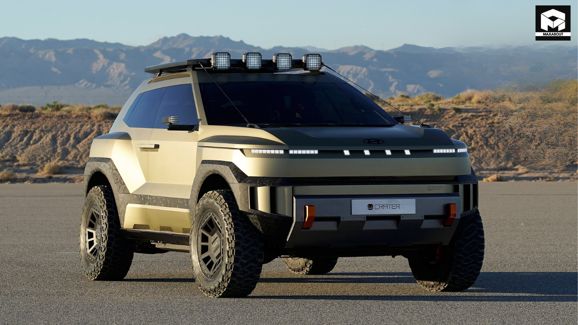
Now, here's where things get really interesting from a technical standpoint. The Crater concept showcases several engineering solutions that address real off-road challenges.
Suspension and Ground Clearance
The suspension setup appears to offer substantial travel – critical for maintaining traction over extreme terrain. From what's visible in the design, we're looking at:
- Long-travel suspension that can absorb significant impacts
- Massive ground clearance to navigate boulder fields and deep ruts
- Robust underbody protection for vulnerable components
- Wide track width for improved stability on off-camber situations
In my experience analyzing off-road vehicles, these elements typically indicate serious capability rather than just aesthetic posturing. The proportions suggest Hyundai's engineers actually thought about how this thing would perform in extreme conditions.
Tire and Wheel Configuration
The wheels deserve special attention. They're not just large – they're purpose-built for extreme duty. The tire sidewalls appear tall enough to provide cushioning over rocks while maintaining structural integrity. This is crucial because low-profile tires, no matter how cool they look on a sports car, are practically useless in serious off-road scenarios.
The wheel design itself looks like it prioritizes strength over weight savings. That's the right call for a vehicle intended to tackle punishing terrain where a bent wheel could leave you stranded miles from civilization.
Interior Approach and Functionality
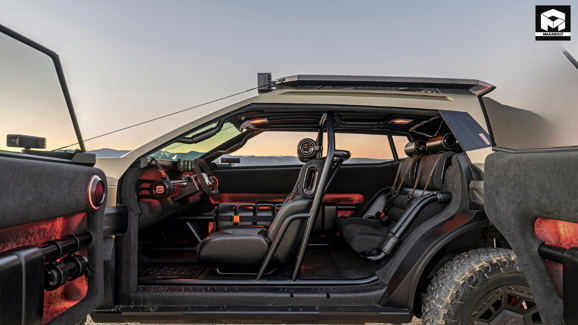
While detailed interior shots may be limited with concept vehicles, the Crater's cabin philosophy appears focused on rugged functionality rather than luxury amenities. This aligns with what serious off-road enthusiasts actually want.
Users in off-road communities often report that overly complex infotainment systems and touch-sensitive controls become liabilities when covered in mud or operated with gloves. The best extreme off-road vehicles typically feature:
- Durable, easy-to-clean surfaces
- Physical buttons and switches for critical functions
- Mounting points for recovery equipment and communication devices
- Storage solutions for tools and emergency supplies
Technology Integration for Extreme Environments
Modern off-road vehicles need to balance mechanical simplicity with helpful technology. It's a tricky equation. Too much electronic intervention can be problematic when systems fail in remote locations. Too little, and you're missing out on capabilities that genuinely improve performance.
Potential Powertrain Solutions
While Hyundai hasn't released full powertrain specifications for the Crater concept, the automotive industry is currently exploring several directions for extreme off-road vehicles. Electric powertrains offer interesting advantages – instant torque delivery and precise wheel speed control through individual motors. However, battery range and charging infrastructure remain challenges for remote exploration.
A hybrid approach might offer the best of both worlds. Imagine having electric motors for low-speed rock crawling precision, backed by a conventional engine for extended range. That's the kind of setup that makes sense for real-world extreme adventure use.
How the Crater Fits Into Hyundai's Strategy
Here's what I find fascinating about this whole project – it shows Hyundai is willing to take risks and explore niches beyond mainstream transportation. The automotive market is crowded with safe, boring crossovers. Standing out requires bold moves.
Building Brand Perception
Concept vehicles serve multiple purposes beyond potentially reaching production. They:
- Generate buzz and media attention (mission accomplished)
- Test public reaction to radical design directions
- Demonstrate engineering capabilities to industry observers
- Inspire design elements that trickle down to production models
- Attract talent who want to work on exciting projects
Even if the Crater never sees production in this exact form, it's already succeeded in changing conversations about what Hyundai can do. That's valuable.
Market Positioning
The extreme off-road segment might seem niche, but it commands passionate loyalty. Companies like Jeep have built entire brand identities around off-road capability. Toyota's Land Cruiser and 4Runner maintain cult followings despite aging platforms. There's clearly appetite for vehicles that prioritize capability over creature comforts.
Hyundai entering this space – even conceptually – signals ambition to compete across more segments. It's smart positioning for a brand looking to shed any remaining "budget alternative" perceptions.
Real-World Application and Practicality
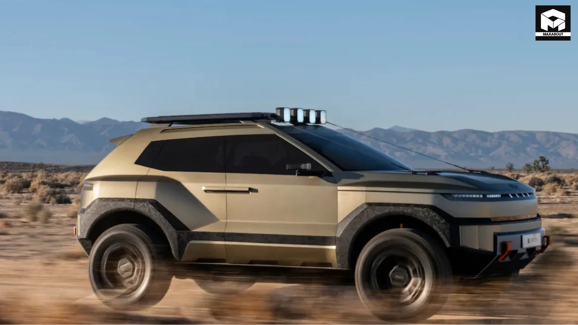
Let's be honest – most extreme off-road vehicles spend more time on pavement than climbing mountains. That's just reality. But there's something appealing about knowing your vehicle could handle extreme situations if needed.
The Crater concept appears designed for scenarios where conventional vehicles simply can't go. Think:
- Remote exploration and overlanding expeditions
- Search and rescue operations in difficult terrain
- Scientific research in harsh environments
- Military and emergency response applications
- Recreational rock crawling and trail riding
Whether there's sufficient market demand for something this extreme in production form remains questionable. But the engineering lessons learned developing such a concept definitely inform more mainstream products.
Comparison to Competitor Concepts
Hyundai isn't alone in exploring extreme off-road concepts. Several manufacturers have showcased similar vision vehicles recently. What sets the Crater apart is its commitment to the aesthetic. There's no hedging or trying to please everyone. It's unapologetically extreme.
Compare this to some competitor concepts that try to blend luxury with capability and end up compromising both. The Crater doesn't appear interested in compromise. That singular focus is what makes it compelling from a design perspective.
Frequently Asked Questions
Will the Hyundai Crater go into production?
Most extreme concept vehicles don't reach production in their original form. However, design elements and engineering solutions developed for concepts often influence future production models. Hyundai hasn't announced production plans for the Crater specifically.
What makes the Crater different from current Hyundai SUVs?
The Crater represents a significantly more extreme approach to off-road capability than current Hyundai products. While models like the Tucson and Santa Fe offer some all-terrain capability, the Crater is designed for much more demanding conditions with specialized suspension, protection, and design elements.
Who is the target audience for vehicles like the Crater?
Extreme off-road concepts target enthusiasts who prioritize capability above all else – overlanders, rock crawling enthusiasts, and those who need vehicles for remote work or exploration. The broader purpose includes building brand excitement and demonstrating engineering prowess.
How does electric power work for off-road vehicles?
Electric powertrains offer precise torque control and instant power delivery, which can be advantageous for technical off-roading. Challenges include battery range, charging infrastructure in remote areas, and weight considerations. Many manufacturers are exploring hybrid solutions that balance these factors.
Conclusion
The Hyundai Crater concept represents exactly the kind of bold thinking we need more of in the automotive industry. Too many vehicles blur together in pursuit of appealing to everyone. The Crater doesn't care about everyone – it's focused on being exceptional at one specific thing: conquering extreme terrain.
Whether this exact vehicle reaches production doesn't really matter. What matters is that Hyundai is flexing creative muscles and showing they're capable of thinking beyond appliance-like transportation. The design is genuinely rad, the engineering appears thoughtful, and the whole package signals ambition.
For off-road enthusiasts, seeing mainstream manufacturers explore this territory is encouraging. Competition drives innovation. If the Crater concept pushes other manufacturers to develop more capable vehicles, we all benefit. And honestly, wouldn't it be amazing to see something this aggressive actually rolling down the street?
The automotive future needs more vehicles with personality, purpose, and the guts to be different. The Hyundai Crater concept delivers on all three counts. Here's hoping some of this radical spirit makes it into production vehicles we can actually buy and drive into the wilderness.
No comments yet
Be the first to share your thoughts!
Want to read more automotive news?
Stay updated with the latest car launches, reviews, and industry insights.
Browse All News