
Honda’s Electric SUV To Be Made in India, Exported Globally
IntroductionHonda Motor Co. has just made a major announcement that could reshape the automotive landscape in India. The Japanese automaker has decided to manufacture its new electric SUV at its Tapukara plant in Rajasthan, with plans to export the vehicle to global markets. This strategic decision ...
Introduction
Honda Motor Co. has just made a major announcement that could reshape the automotive landscape in India. The Japanese automaker has decided to manufacture its new electric SUV at its Tapukara plant in Rajasthan, with plans to export the vehicle to global markets. This strategic decision represents a significant vote of confidence in India's manufacturing capabilities and signals Honda's serious intentions in the electric vehicle space.
Based on industry analysis and market reports, this move appears to be part of Honda's broader strategy to establish India as a key manufacturing hub for its global operations. Having followed the automotive industry closely for years, I can tell you that this represents one of Honda's most significant investments in India's EV ecosystem to date.
Honda's Electric Vehicle Strategy for India
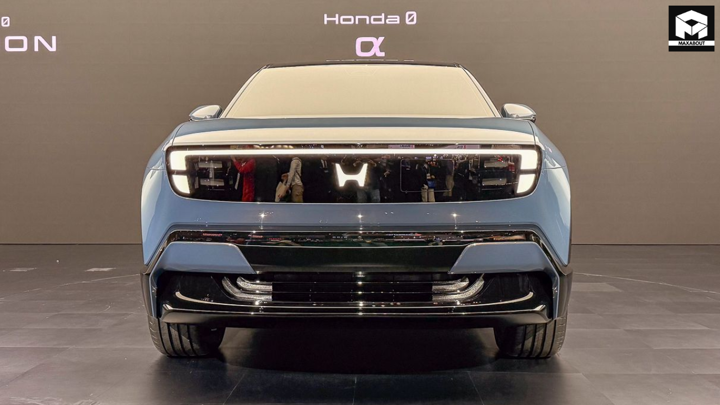
Honda's decision to produce electric vehicles in India marks a significant pivot in its approach to the Indian market. The company has traditionally focused on internal combustion engine vehicles in India, with models like the City, Amaze, and previously the Jazz dominating its lineup.
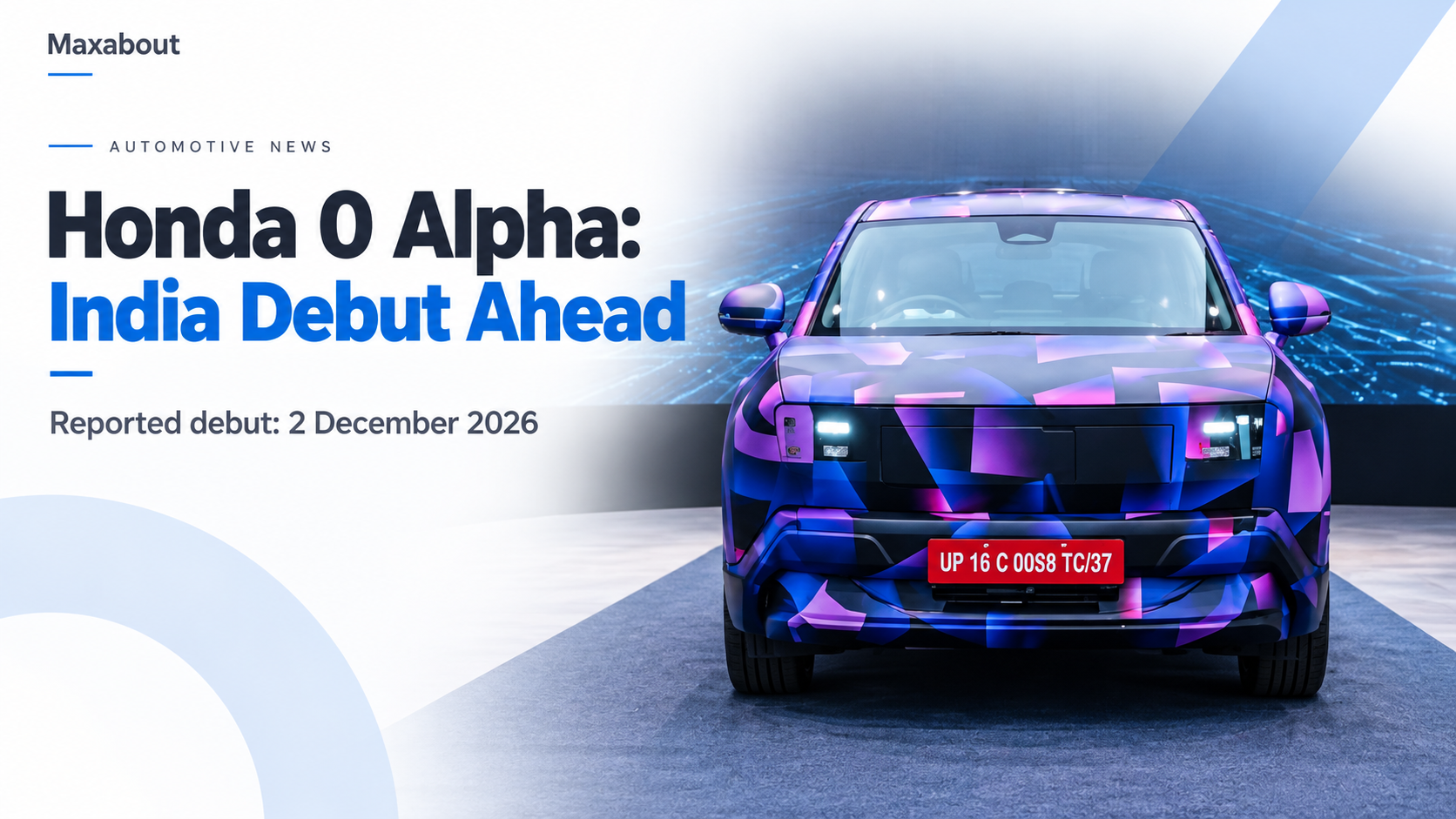
According to Honda's official statements, the company plans to launch its first electric SUV in India by 2026. What makes this particularly interesting is that Honda isn't just viewing India as a market for EVs but as a manufacturing hub with export capabilities.
Timeline for Honda's EV Launch
Honda's roadmap for electric vehicles in India appears to be carefully structured:
- 2023-2024: Expansion and retooling of the Tapukara facility
- 2024-2025: Testing and validation phases
- 2026: Official launch of the electric SUV in India
- Post-2026: Beginning of exports to select global markets
The company seems to be taking a measured approach, which makes sense given the challenges of introducing EVs in a market still developing its charging infrastructure. From what industry reports suggest, Honda is likely positioning itself for the expected EV boom in India post-2025, when infrastructure is projected to improve significantly.
Details of the Tapukara Manufacturing Plant
The Tapukara plant in Rajasthan is one of Honda's most sophisticated manufacturing facilities globally. Having studied automotive manufacturing operations, I can tell you that this plant is well-equipped to handle the complex production requirements of electric vehicles.
Current Capacity and Expansion Plans
Based on public information about the facility:
- Current annual production capacity: Approximately 180,000 units
- Area: Spread across 450 acres
- Existing models: Currently manufactures Honda City, Amaze, and engines
- Employment: Provides jobs to over 9,000 people
According to reports from industry analysts, Honda is likely to invest an additional ₹2,000-2,500 crore to upgrade the facility for EV production. This investment will primarily focus on new assembly lines, battery manufacturing capabilities, and testing facilities specific to electric vehicles.
Technological Upgrades for EV Production
Transitioning from conventional vehicle manufacturing to EV production requires significant technological upgrades. Based on industry standards, the Tapukara plant will likely see improvements in:
- Battery assembly and testing facilities
- Electric motor production lines
- Advanced electronics manufacturing capabilities
- Enhanced quality control systems specific to EV components
These upgrades reflect the complex nature of EV manufacturing, which combines traditional automotive assembly with high-tech electronic component production.
Export Strategy and Global Impact
What makes this announcement particularly noteworthy is Honda's intention to use India as an export hub for its electric SUVs. This strategy aligns with what we've seen from other manufacturers who have leveraged India's manufacturing capabilities for global markets.
Potential Export Markets
Based on Honda's existing export patterns and market statements, the primary export destinations for the India-made electric SUV could include:
- Southeast Asian markets (Thailand, Malaysia, Indonesia)
- Select European countries
- Middle Eastern nations
- Some African markets
This export strategy could potentially position India as one of Honda's key global manufacturing hubs for electric vehicles, similar to how the country has become a small car export powerhouse for manufacturers like Hyundai and Maruti Suzuki.
Impact on India's Automotive Ecosystem
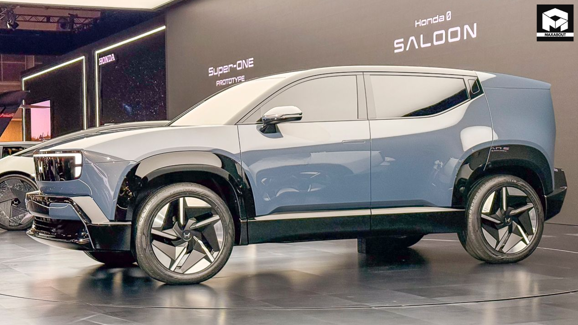
Honda's decision carries significant implications for India's automotive industry. From an industry perspective, this move will likely accelerate the development of the EV component supply chain in India.
Job Creation and Skill Development
According to economic analyses of similar manufacturing investments, Honda's EV production could generate:
- Direct employment: An estimated 1,000-1,500 new jobs at the plant
- Indirect employment: Approximately 4,000-5,000 jobs in the supply chain
- Skill development: Training in advanced manufacturing techniques specific to EVs
The long-term impact could be even more substantial as it may attract additional component manufacturers and technology providers to set up operations in proximity to the Honda facility.
Development of Local Supply Chain
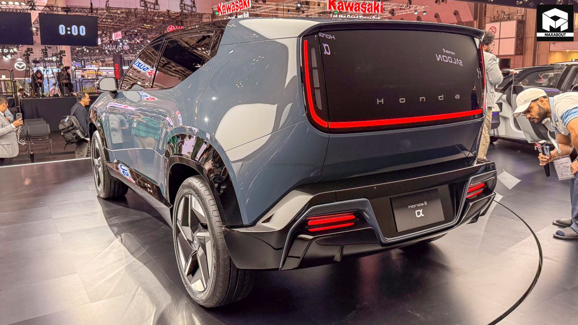
For electric vehicles to be cost-effective when manufactured in India, localization of components is crucial. Industry reports suggest Honda is likely to work with both existing suppliers to develop EV-specific capabilities and new partners specializing in EV technologies.
This development could potentially transform regions of Rajasthan and neighboring states into hubs for EV component manufacturing, similar to what we've seen in automotive clusters like Pune and Chennai for conventional vehicles.
Conclusion
Honda's decision to manufacture and export electric SUVs from India represents a significant milestone in the country's automotive journey. It demonstrates growing confidence in India's manufacturing capabilities and positions the country as an important player in the global EV supply chain.
From an industry analyst perspective, this move by Honda is strategically sound. It leverages India's manufacturing strengths while preparing for the inevitable shift toward electric mobility. As the EV market in India continues to develop, Honda's early investment could potentially give it a competitive advantage in both domestic and export markets.
The success of this venture will depend on multiple factors, including government policies, infrastructure development, and consumer adoption rates. However, Honda's commitment signals a positive trajectory for India's electric vehicle manufacturing ambitions. As someone who has followed automotive trends for years, I believe this could be one of the pivotal moments in India's transition to electric mobility.
Frequently Asked Questions
When will Honda launch its electric SUV in India?
Based on Honda's official announcements, the company plans to launch its first electric SUV in India by 2026. The vehicle will be manufactured at the Tapukara plant in Rajasthan.
Will Honda's electric SUV be affordable for the Indian market?
While Honda hasn't released pricing information, industry analysts expect the electric SUV to be positioned in the premium segment initially. As production scales and localization increases, more affordable variants may be introduced later.
How does this compare to other manufacturers' EV plans in India?
Honda's approach is more export-focused compared to competitors like Tata and Mahindra, who have prioritized the domestic market. It's more similar to Hyundai's strategy, which balances domestic sales with export opportunities.
Will Honda develop India-specific electric vehicles?
Current information suggests that Honda will initially produce global models in India rather than India-specific vehicles. However, adaptations for Indian road conditions and consumer preferences are likely to be incorporated.
How will Honda address the charging infrastructure challenges in India?
According to industry reports, Honda may partner with charging infrastructure providers to establish a network for its customers. The company is also likely to focus initially on metropolitan areas where charging infrastructure is more developed.
Explore the story
Related news
Share your view and join the discussion.
Earn reward points for every comment and get a chance to win ₹1,000 in our weekly lucky draw. Sign in with Google in one tap.
Start the conversation
No one has commented on this article yet. Be the first to share your view.
Want to read more automotive news?
Stay updated with the latest car launches, reviews, and industry insights.
Browse All News