
Honda City 2026 Facelift: Bold New Look Revealed
Honda's got something cooking for 2026, and it's all about keeping the City relevant in an increasingly competitive market. If you've been following the sedan's journey, you'll know the current generation launched back in 2020, got its first facelift recently, and now word on the street is that a se...
By Nitin Dhiman
Automotive Journalist
Honda's got something cooking for 2026, and it's all about keeping the City relevant in an increasingly competitive market. If you've been following the sedan's journey, you'll know the current generation launched back in 2020, got its first facelift recently, and now word on the street is that a second refresh is coming in 2026.
I've watched Honda's strategy with the City over the years, and this move makes perfect sense. The compact sedan segment isn't dying—it's evolving. And Honda knows it needs to stay ahead of the curve.
Why Another Facelift So Soon?
Here's the thing about the automotive industry right now. Product cycles are getting shorter. What used to be a seven-year lifecycle with maybe one mid-cycle refresh has turned into multiple updates to keep buyers interested.
Honda's facing stiff competition from Hyundai, Toyota, and a bunch of aggressive Chinese brands in key markets like India, Thailand, and Southeast Asia. The City has traditionally been Honda's bread and butter in these regions. Letting it go stale isn't an option.
The second facelift strategy serves another purpose too. It keeps production costs manageable while delivering freshness to showrooms. You're not redesigning the entire car from scratch—you're making strategic updates where they count most.
Expected Design Changes
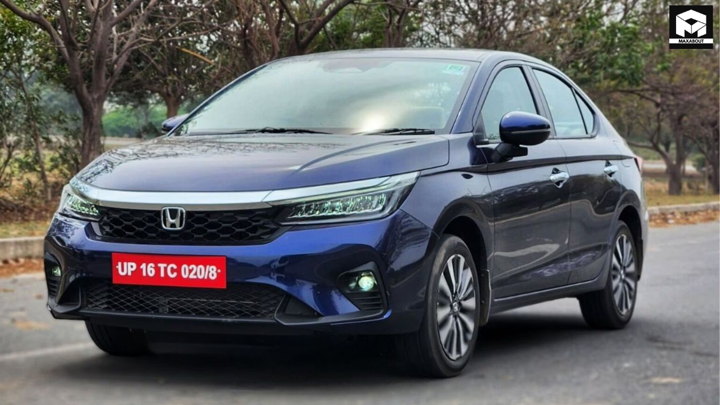
Based on how Honda typically approaches facelifts, we can make some educated guesses about what's coming.
Exterior Updates
The front fascia will likely get the most attention. Expect a revised grille design, possibly with a more aggressive pattern that aligns with Honda's newer global design language. LED lighting elements might get tweaked for a more contemporary look.
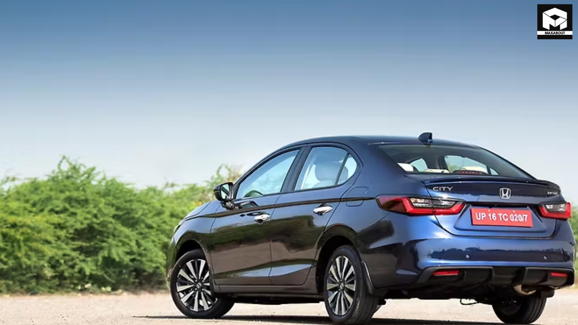
The rear end could see updated tail lamp graphics and a refreshed bumper design. Honda often uses these subtle changes to make a car feel newer without requiring expensive retooling of major body panels.
- Redesigned front grille and bumper
- Updated LED headlamp and tail lamp signatures
- New alloy wheel designs
- Additional color options, possibly including trendy dual-tone schemes
- Chrome or body-colored trim updates
Interior Refinements
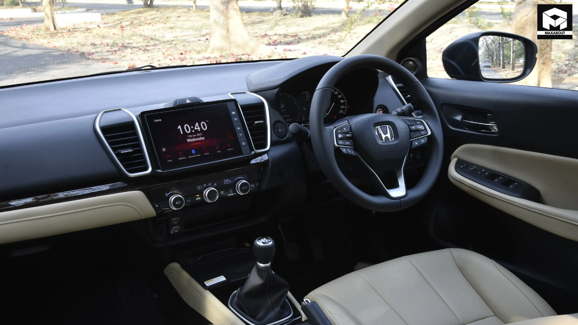
This is where I think Honda will focus significant effort. Interiors are becoming the battleground for sedans, especially as younger buyers prioritize tech and comfort.
We're likely looking at an updated infotainment system with a larger touchscreen. The current system works fine, but competitors are pushing 10-inch and larger displays. Honda will need to keep pace.
Materials and color schemes might get refreshed too. Maybe some new upholstery options or trim finishes to give the cabin a more premium feel. These changes don't cost a fortune but make a real difference in perceived quality.
Technology and Features Upgrade
Technology moves fast, and what felt cutting-edge in 2020 can feel dated by 2026. Honda knows this better than anyone.
Connectivity Enhancements
The Honda Connect system will almost certainly get an overhaul. We're talking better smartphone integration, possibly wireless Android Auto and Apple CarPlay if it's not already standard across all variants.
Over-the-air update capability might finally make its way into the City. This is becoming standard practice, and Honda's been rolling it out across their lineup gradually.
Safety Tech Additions
Honda Sensing—the brand's suite of advanced driver assistance systems—will likely get expanded across more variants. Currently, it's reserved for top-end models in most markets, but there's a push to democratize these features.
Expect improvements or additions like:
- Enhanced adaptive cruise control functionality
- Improved lane keeping assist systems
- Blind spot monitoring across more variants
- 360-degree camera systems as standard on higher trims
- Additional airbags to meet evolving safety regulations
Digital Instrument Cluster
The analog-digital combo currently used might give way to a full digital instrument cluster. It's not just about looking modern—digital clusters allow for better customization and information display. This is one area where the City could really benefit from an update.
Powertrain Possibilities
Now, this is where things get interesting. Will Honda stick with the existing engine lineup or shake things up?
Current Engine Options
The City currently offers petrol engines in most markets, with some regions getting diesel options. The 1.5-liter naturally aspirated petrol and the 1.5-liter turbo diesel have served well.
Electrification on the Horizon?
Here's my take: Honda might introduce a mild-hybrid or strong-hybrid variant by 2026. The company's committed to electrification, and the City is the perfect volume model to push this technology.
A hybrid City would offer better fuel efficiency—crucial in markets where fuel costs are a major consideration. It would also give Honda a competitive edge over rivals who haven't electrified their compact sedans yet.
Don't expect a full EV version though. That'll likely remain the domain of dedicated EV platforms. But a hybrid? That's very much on the cards.
Market-Specific Considerations
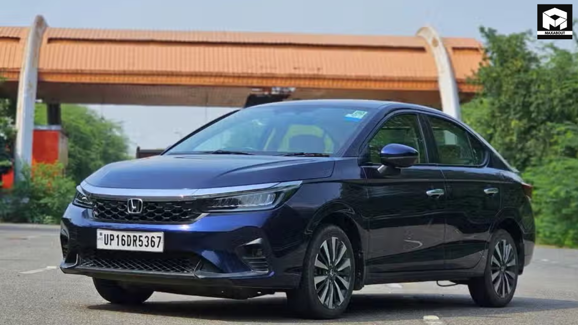
Honda doesn't take a one-size-fits-all approach with the City. Different markets get different features, and the 2026 facelift will continue this tradition.
India
India's one of the City's strongest markets. The facelift here will likely focus on value additions—more features at competitive price points. Given the growing preference for SUVs, Honda needs to make the sedan proposition compelling.
Expect aggressive pricing strategy and possibly some India-specific features to cater to local preferences.
Thailand and Southeast Asia
These markets prioritize reliability and resale value, which the City already delivers. The facelift here might emphasize premium features and hybrid technology to appeal to increasingly sophisticated buyers.
Other Asian Markets
Markets like Malaysia, Indonesia, and the Philippines will likely get variants tailored to local regulations and buyer preferences. Honda's pretty good at this regional customization.
Competition and Market Positioning
Let's talk about the elephant in the room. The sedan segment is under pressure from SUVs and crossovers. But it's not dead—not by a long shot.
The City competes with some tough rivals:
- Hyundai Verna/Accent – consistently strong with feature-loaded offerings
- Toyota Vios – Mr. Reliable himself, with legendary durability reputation
- Skoda Slavia – the newer, more sophisticated European alternative
- Volkswagen Virtus – similar positioning to the Slavia
- Maruti Suzuki Ciaz – value-focused option in certain markets
Each competitor has its strengths. The Verna leads on features and design. The Vios wins on reliability perception. The European twins offer premium feel and dynamics.
The City's sweet spot has always been balance. It's comfortable, reliable, practical, and decent to drive. The 2026 facelift needs to strengthen these qualities while adding enough freshness to attract new buyers.
Pricing Strategy
Here's where Honda needs to be smart. They can't price themselves out of the segment, but they also can't position the City as a budget option.
I expect Honda to maintain similar pricing to current models, with the new features and updates justifying any minor increases. The introduction of a hybrid variant—if it happens—will likely command a premium, but it needs to be reasonable enough to make financial sense for buyers.
Market conditions in 2026 will obviously play a role. Currency fluctuations, import duties, and local manufacturing considerations all factor in.
What This Means for Buyers
If you're in the market for a City right now, should you wait for the 2026 facelift? Here's my honest assessment.
The current City is still a solid car. If you need a vehicle now and the current model ticks your boxes, go for it. The 2026 updates will be nice, but they won't fundamentally transform the driving experience.
However, if you can wait and you're particularly interested in the latest tech and potentially a hybrid powertrain, then holding off might make sense. Just remember that waiting for the "next update" is a never-ending game in the automotive world.
Resale Value Considerations
One thing to keep in mind: buying just before a facelift can impact resale values. When the new model hits showrooms, your "old" model immediately becomes less desirable in the used market. This depreciation hit is real and worth factoring into your decision.
On the flip side, buying the facelifted model means you're getting the latest version, which tends to hold value better over time.
Honda's Broader Strategy
The City facelift fits into Honda's larger plans for the region. The company's investing heavily in electrification and connected car technologies. The City serves as a volume driver that helps fund these investments.
By keeping the City competitive, Honda maintains its presence in the crucial compact sedan segment while developing the next generation of vehicles. It's a balancing act between today's profits and tomorrow's innovation.
Frequently Asked Questions
Will the 2026 Honda City facelift get a hybrid engine?
While not officially confirmed, industry trends suggest Honda may introduce hybrid technology in the 2026 facelift. The company has been pushing electrification across its lineup, and the City is a logical candidate for this technology, particularly in markets focused on fuel efficiency.
How much will the facelifted City cost?
Exact pricing hasn't been announced, but expect it to be competitive with current pricing, with minor increases to account for new features. A potential hybrid variant would likely command a premium over standard petrol variants.
What are the main competitors to the Honda City?
The City competes primarily with the Hyundai Verna, Toyota Vios, Skoda Slavia, and Volkswagen Virtus in most Asian markets. Each offers different strengths in terms of features, reliability, and driving dynamics.
Should I wait for the 2026 facelift or buy the current model?
If you need a car immediately and the current City meets your needs, there's no compelling reason to wait. However, if you're interested in the latest technology, particularly potential hybrid powertrains, and can afford to wait, the 2026 model might be worth considering.
Which markets will get the facelifted City first?
Based on Honda's typical launch patterns, Thailand and India are likely to receive the facelifted City first, followed by other Southeast Asian markets. These are key volume markets for the City.
Conclusion
The Honda City's second facelift for 2026 represents Honda's commitment to keeping its bestselling sedan competitive in a challenging market. While specific details remain under wraps, we can expect meaningful updates to design, technology, and possibly powertrain options.
For Honda, this isn't just about selling more cars—it's about maintaining relevance in the sedan segment while competitors aggressively push SUVs. The City has proven its worth over multiple generations, and this facelift should help it continue that legacy.
What excites me most is the potential for hybrid technology. If Honda delivers a well-priced hybrid City with meaningful efficiency gains, it could shift the segment dynamics considerably. That would be a genuine value proposition, not just superficial updates.
As we get closer to 2026, more concrete details will emerge. For now, the City continues doing what it does best—providing reliable, practical transportation with a touch of Honda magic. The facelift will just add some extra polish to an already proven formula.
Whether you're a potential buyer weighing your options or just an automotive enthusiast watching market trends, the 2026 City facelift is definitely one to watch. It might not revolutionize the segment, but it'll likely prove once again why the City remains a favorite across Asia.
Explore the story
Related news
Share your view and join the discussion.
Earn reward points for every comment and get a chance to win ₹1,000 in our weekly lucky draw. Sign in with Google in one tap.
Start the conversation
No one has commented on this article yet. Be the first to share your view.
Want to read more automotive news?
Stay updated with the latest car launches, reviews, and industry insights.
Browse All News