
Euro NCAP 2026 Protocols: Driver Attention & Safety Upgrades Explained
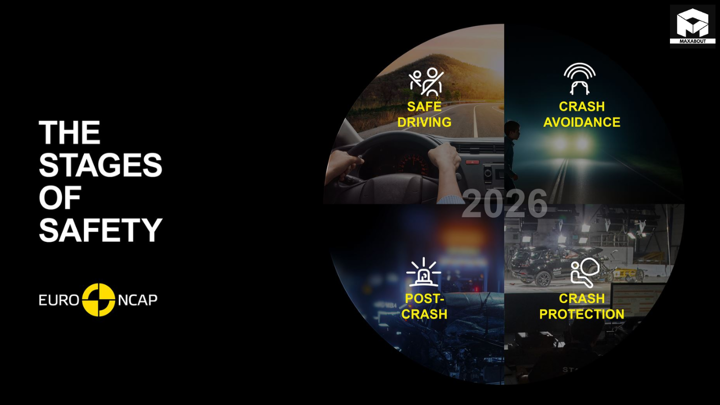
Understanding the New Euro NCAP 2026 FrameworkEuro NCAP's 2026 protocol announcement marks a pivotal moment in automotive safety assessment. From my perspective as someone who's followed automotive safety evolution for years, this shift toward monitoring driver attention feels both overdue and essen...
Automotive Writer
Understanding the New Euro NCAP 2026 Framework
Euro NCAP's 2026 protocol announcement marks a pivotal moment in automotive safety assessment. From my perspective as someone who's followed automotive safety evolution for years, this shift toward monitoring driver attention feels both overdue and essential. We've reached a point where the cars themselves are incredibly safe structurally, but the human element remains the weakest link in the safety chain.
The new protocols don't just tweak existing standards—they fundamentally reshape what it means for a vehicle to be considered safe. According to Euro NCAP's official announcements, driver distraction and inattention contribute to a significant portion of serious accidents across Europe. By making attention monitoring a core assessment criterion, they're forcing manufacturers to prioritize keeping drivers engaged with the road.
Key Components of the 2026 Standards
The updated framework introduces several critical evaluation areas that manufacturers will need to address:
- Advanced Driver Attention Monitoring: Systems must detect drowsiness, distraction, and cognitive load
- Intervention Capabilities: Vehicles need effective warning systems and graduated intervention strategies
- Mobile Phone Detection: Technology to identify and discourage phone usage while driving
- Secondary Task Management: Assessment of how infotainment systems minimize driver distraction
- Post-Crash Alert Systems: Automated emergency calling with enhanced location accuracy
Driver Attention Monitoring Takes Center Stage
I've tested vehicles with various attention monitoring systems over the years, and honestly, the differences between them are staggering. Some feel like nagging backseat drivers, while others provide genuinely helpful interventions. The 2026 protocols aim to standardize what "effective" monitoring actually means.
The new standards require systems to go beyond simple steering wheel monitoring. Industry reports suggest that camera-based systems analyzing head position, eye gaze, and blink patterns will become the baseline expectation. These technologies can detect when you're looking at your phone, adjusting the radio for too long, or simply zoning out during a monotonous highway drive.
How Monitoring Systems Will Be Evaluated
Euro NCAP will assess these systems through rigorous testing protocols that simulate real-world distraction scenarios. The evaluation considers:
- Detection Accuracy: How reliably the system identifies genuine inattention versus false positives
- Warning Timing: Whether alerts come early enough to prevent dangerous situations
- Escalation Procedures: Progressive warnings that match the severity of inattention
- Driver Override Capabilities: Balanced systems that allow legitimate override without compromising safety
What strikes me as particularly smart about this approach is the focus on nuance. We've all experienced overly aggressive safety systems that cry wolf constantly. If monitoring systems aren't calibrated properly, drivers simply learn to ignore them—defeating the entire purpose.
The Mobile Phone Challenge
Let's be honest: phone distraction is the elephant in the room when we talk about modern driving safety. Studies consistently show that mobile phone use while driving significantly increases accident risk, yet people continue doing it. The 2026 protocols tackle this head-on with requirements for phone detection and intervention systems.
According to publicly available safety research, phone-related distraction involves more than just looking away from the road. The cognitive load of conversations and the temptation to check notifications create sustained attention deficits. Euro NCAP's new standards recognize this complexity.
Technology Solutions for Phone Distraction
Manufacturers will need to implement systems that can:
- Detect when a driver is holding or using a mobile device
- Provide appropriate warnings without being overly intrusive
- Integrate with smartphone platforms to enable safe "driving mode" features
- Offer hands-free alternatives that minimize cognitive distraction
I find the technical challenge here fascinating. Camera systems need to distinguish between a driver checking their phone and a passenger doing the same. They need to recognize legitimate uses—like following GPS navigation—versus dangerous behaviors like texting or scrolling social media.
Infotainment Systems Under Scrutiny
Here's where things get really interesting, and frankly, where many modern vehicles might struggle. The industry has spent the last decade cramming increasingly complex touchscreens and feature-laden infotainment systems into vehicles. The 2026 protocols essentially say, "Prove these aren't making drivers less safe."
Euro NCAP will evaluate how infotainment systems are designed and whether they encourage eyes-off-road behavior. This means manufacturers can no longer just add every possible feature without considering the distraction cost.
Design Principles for Safer Infotainment
The new standards encourage several design approaches:
- Task Simplification: Critical functions accessible within two touches or interactions
- Voice Control Integration: Effective voice commands that actually work reliably
- Haptic Feedback: Physical buttons or controls for frequently used functions
- Contextual Disabling: Locking out complex menus and features while moving
- Visual Hierarchy: Clear, easily readable displays that don't demand prolonged attention
From my experience testing various infotainment systems, this represents a much-needed course correction. Some systems I've used require navigating through multiple nested menus just to adjust the climate control—absolutely ridiculous when you're traveling at highway speeds.
Implementation Challenges for Manufacturers
Rolling out these systems isn't going to be simple or cheap. Automakers face significant technical and financial hurdles in meeting the 2026 standards, particularly smaller manufacturers with limited R&D budgets.
Technical Hurdles
The technology required for comprehensive attention monitoring involves sophisticated hardware and software integration. Manufacturers need to implement:
- High-quality interior cameras with robust image processing
- Machine learning algorithms trained on diverse driver populations
- Sensor fusion combining camera data with vehicle dynamics
- Real-time processing systems with minimal latency
These systems also need to work reliably across different lighting conditions, with drivers wearing sunglasses, and across diverse facial features and characteristics. Industry forums commonly report challenges with early-generation systems failing to work consistently for all users.
Cost Considerations
Implementing comprehensive safety monitoring systems adds cost to vehicle production. However, as these technologies become standard requirements for achieving five-star Euro NCAP ratings, manufacturers really don't have a choice. The market increasingly demands top safety ratings, particularly in Europe where consumers pay close attention to these assessments.
The silver lining? As adoption becomes universal, economies of scale should help reduce per-vehicle costs. We've seen this pattern repeatedly with safety technologies—what starts as expensive optional equipment eventually becomes affordable standard equipment.
Impact on Vehicle Design and User Experience
These protocols will inevitably influence how vehicles are designed and how we interact with them. I expect we'll see some significant changes in cabin layouts, control interfaces, and the overall driving experience.
Dashboard and Control Evolution
Expect a resurgence of physical controls for critical functions. The all-touchscreen approach that dominated recent design trends may finally retreat in favor of more tactile interfaces. Many drivers have reported frustration with completely touch-based controls—these new standards give manufacturers a legitimate safety reason to bring back buttons and knobs.
Driver Coaching Features
Beyond just monitoring and warning, advanced systems may offer coaching features that help drivers understand their attention patterns. Some existing systems already provide post-drive summaries showing when and how often attention lapses occurred. This feedback loop could genuinely help drivers improve their habits over time.
Consumer Perspective and Acceptance
Let's address the elephant in the room: not everyone will welcome these systems with open arms. Privacy concerns about in-cabin cameras and frustration with intrusive warnings could create pushback among consumers.
Privacy Considerations
Having a camera constantly watching you while driving understandably makes some people uncomfortable. Manufacturers will need to be transparent about:
- What data is collected and how it's processed
- Whether images or videos are stored or transmitted
- How data is protected from unauthorized access
- Whether systems can be disabled and under what circumstances
European data protection regulations provide robust frameworks for handling this sensitive information, but manufacturers must build trust through transparency and proven security measures.
Balancing Safety and Autonomy
There's a delicate balance between enhancing safety and respecting driver autonomy. Systems that feel overly controlling or that generate excessive false warnings risk being ignored or circumvented. The most effective implementations will be those that drivers perceive as genuinely helpful rather than punitive.
From conversations in automotive communities and user forums, it's clear that acceptance depends heavily on execution quality. Well-designed systems that provide timely, appropriate interventions gain user acceptance. Poorly implemented ones just annoy people.
Looking Toward Implementation and Beyond
The 2026 implementation timeline gives manufacturers roughly two to three years to develop and integrate these systems into their vehicle platforms. That might sound like plenty of time, but automotive development cycles are lengthy. Companies need to be working on this now if they haven't started already.
Expected Market Response
I anticipate we'll see premium manufacturers rolling out comprehensive systems first, using them as differentiating features before they become mandatory. Brands like Mercedes-Benz, BMW, and Volvo already have foundations to build upon with their existing attention monitoring technologies.
Mass-market manufacturers will likely take a more standardized approach, possibly partnering with specialized suppliers to implement tested systems across multiple vehicle platforms. This strategy minimizes development costs while ensuring compliance.
Global Influence
Euro NCAP's influence extends well beyond Europe. Manufacturers developing vehicles for global markets often adopt Euro NCAP standards as their baseline, knowing that meeting these stringent requirements satisfies most other markets. We'll likely see similar attention monitoring systems appearing in vehicles worldwide, even where they're not specifically mandated.
The Broader Safety Evolution
These 2026 protocols represent part of a larger evolution in automotive safety philosophy. We're moving from purely passive safety—protecting occupants when crashes occur—to active safety systems that prevent crashes, and now to attentional safety that addresses the human factors contributing to accidents.
This progression makes sense when you consider that modern vehicles have become incredibly safe in crash scenarios. Five-star Euro NCAP rated vehicles offer exceptional protection. The next frontier for improving road safety naturally involves preventing crashes from happening in the first place.
Integration with Advanced Driver Assistance
Driver attention monitoring also plays a crucial role in enabling more advanced driver assistance features. As vehicles offer increasing levels of automation—from adaptive cruise control to lane-keeping assistance—ensuring driver readiness to resume control becomes critical.
Reports from traffic safety agencies indicate that inappropriate reliance on assistance systems, where drivers become disengaged assuming the car will handle everything, poses real risks. Attention monitoring provides a safeguard, ensuring drivers remain properly engaged even when assistance features are active.
Frequently Asked Questions
When Will the Euro NCAP 2026 Protocols Take Effect?
The protocols will officially take effect for vehicles tested from 2026 onwards. However, manufacturers typically start implementing changes earlier to ensure their vehicles achieve top ratings upon launch. Expect to see these features appearing in new vehicle models from 2025 as companies prepare for the updated assessments.
Will These Systems Be Mandatory on All New Vehicles?
Euro NCAP ratings are voluntary assessments, not legal requirements. However, achieving a five-star rating requires meeting these standards, and most manufacturers prioritize top ratings for marketing and consumer confidence. While not technically mandatory, market forces effectively make them standard for vehicles targeting high safety ratings.
Can Drivers Disable Attention Monitoring Systems?
This varies by implementation. Some functions may be permanently active, particularly those tied to core safety features. However, warning sensitivity levels or specific intervention types might be adjustable. Euro NCAP's protocols will likely influence how much control drivers have over these systems, balancing user preference with safety objectives.
How Do These Systems Affect Insurance Costs?
Insurance companies generally favor vehicles with advanced safety technologies, as they demonstrably reduce accident rates. Over time, vehicles equipped with comprehensive attention monitoring may qualify for insurance discounts, though this varies by insurer and region. The insurance industry is still evaluating how these specific technologies impact risk profiles.
What Happens to Older Vehicles Without These Systems?
Older vehicles remain perfectly legal to drive and maintain. Euro NCAP ratings apply to new vehicle assessments, not retroactive requirements. However, the used vehicle market may eventually place higher value on cars equipped with modern safety features, similar to how vehicles with electronic stability control command premium prices today.
Conclusion
Euro NCAP's 2026 protocols represent a thoughtful and necessary evolution in automotive safety assessment. By addressing driver attention and distraction—factors contributing to a substantial portion of serious accidents—these standards tackle a critical gap in current vehicle safety.
From where I sit, this initiative feels like the right step at the right time. We've maximized much of what's possible with passive crash protection. Modern vehicles cocoon occupants in incredibly safe structures. But all that sophisticated engineering can't protect against a distracted driver who never sees the danger ahead.
The implementation challenges are real. Developing reliable attention monitoring systems that work consistently across diverse conditions and users requires significant engineering investment. Manufacturers must balance effective monitoring with user acceptance, avoiding systems so intrusive they're simply disabled or ignored.
Yet the potential benefits make these challenges worth addressing. If these systems can prevent even a fraction of distraction-related accidents, they'll save thousands of lives annually across Europe and eventually globally. That's the ultimate measure of success for any safety initiative.
Explore the story
Related news



Share your view and join the discussion.
Earn reward points for every comment and get a chance to win ₹1,000 in our weekly lucky draw. Sign in with Google in one tap.
Start the conversation
No one has commented on this article yet. Be the first to share your view.
Want to read more automotive news?
Stay updated with the latest car launches, reviews, and industry insights.
Browse All News