
Citroen eC3 Euro Spec Spied in India: Launch Date and Features Revealed 2025
What's This Spying Business All About?Look, spy shots in the automotive world are like getting a sneak peek at someone's surprise party. The Citroen eC3 Euro spec has been caught testing in India, and it's creating quite a buzz. From what I've observed in the EV market over the years, manufacturers ...
Automotive Journalist
What's This Spying Business All About?
Look, spy shots in the automotive world are like getting a sneak peek at someone's surprise party. The Citroen eC3 Euro spec has been caught testing in India, and it's creating quite a buzz. From what I've observed in the EV market over the years, manufacturers don't randomly test fully-specced international versions unless there's a solid plan brewing.
The Euro spec eC3 isn't just a different badge – it's a fundamentally more complete package. We're talking about a vehicle that meets stringent European safety standards, comes with features that were conspicuously absent from the Indian version, and represents what Citroen is actually capable of delivering when they're not laser-focused on hitting an aggressive price point.
Why This Matters More Than You Think
The current Indian eC3 launched with a strategy that raised eyebrows. No airbags initially (later added), missing safety features, and a general sense that cost-cutting had gone a bit too far. Industry observers and potential buyers have consistently pointed out these gaps. Testing the Euro spec here suggests Citroen might be listening.
Euro Spec vs Indian Spec: The Reality Check
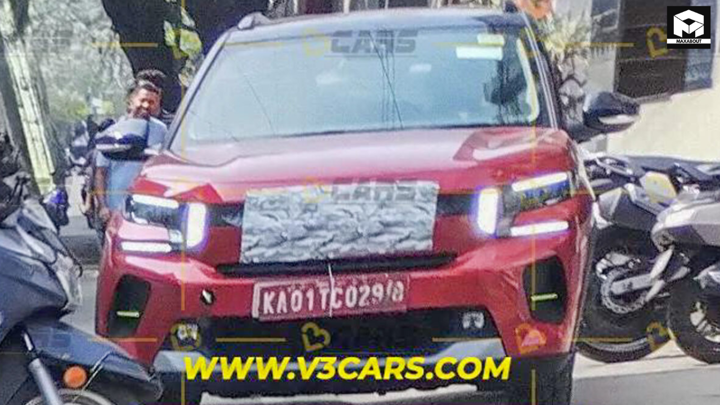
Let me break down what typically separates these two versions. The differences aren't subtle, and they matter significantly for anyone considering putting their money down on this electric hatchback.
Safety Equipment That Actually Protects You
European regulations don't mess around with safety. The Euro spec eC3 comes standard with equipment that makes a real difference in crash scenarios:
- Six airbags as standard – not an optional extra or higher variant exclusive
- Electronic Stability Control (ESC) – critical for maintaining control in emergency situations
- Better structural reinforcement – engineered to meet Euro NCAP's demanding crash tests
- Advanced braking systems – including features like ABS with better calibration
- Proper crumple zones – designed according to European pedestrian safety norms
The Indian version initially compromised on several of these fronts, which honestly felt like a step backward when domestic manufacturers were upping their safety game.
Features That Modern Buyers Expect
Beyond safety, the Euro spec typically includes conveniences that have become standard expectations:
- Better quality interior materials and finish
- More comprehensive infotainment systems
- Additional connectivity options
- Improved climate control systems
- Enhanced instrumentation and displays
These aren't just luxury additions – they're features that competitors in the Indian market already offer at similar price points.
What Could This Launch Mean for Indian Buyers?
Here's where things get interesting. Citroen has positioned itself as a value brand in India, but "value" shouldn't mean "compromised." Based on market trends and how manufacturers typically operate, I see a few possible scenarios playing out.
Scenario One: The Premium Variant Strategy
Citroen might introduce the Euro spec as a top-tier variant, sitting above the current lineup. This would let them maintain the aggressive pricing of existing models while offering a "no-compromise" option for buyers willing to pay more. Think of it as the difference between a base Creta and a fully-loaded one – same car, dramatically different experience.
This approach makes business sense. It captures price-sensitive buyers with the existing model while not alienating those who prioritize safety and features over absolute bottom-dollar pricing.
Scenario Two: The Complete Replacement
Perhaps Citroen realizes the current approach isn't sustainable. The criticism has been consistent, and competitors aren't standing still. They could phase out the current spec entirely and standardize on the Euro version with a modest price increase.
This would be the bolder move, but it could reposition the eC3 as a genuinely competitive option rather than just the cheapest electric hatchback available.
Scenario Three: Export Testing
Let's not get too excited – there's always the possibility this is purely for validation of export units. India has become a manufacturing hub, and testing here doesn't automatically mean a domestic launch. However, given the feedback on the current model, I'd be surprised if Citroen wasn't at least considering bringing better-equipped versions here.
The Bigger Picture: India's EV Market Evolution
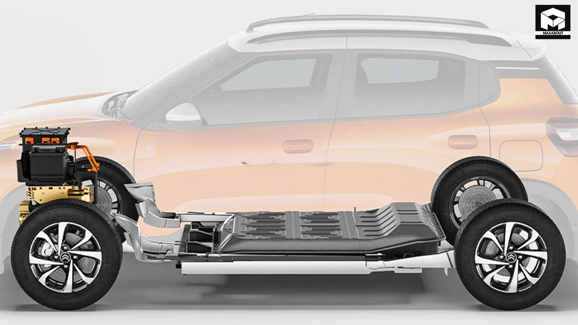
This potential launch reflects a maturing market. Early electric vehicle buyers in India were often early adopters willing to overlook shortcomings. That phase is ending quickly.
Competition Is Heating Up
The eC3 doesn't exist in a vacuum anymore. Tata has strengthened its EV lineup considerably. MG is pushing hard in this segment. Even traditional manufacturers are planning affordable electric offerings. Citroen needs to evolve or risk becoming irrelevant.
Buyers today cross-shop extensively. They compare safety ratings, they check feature lists, and they're increasingly unwilling to accept compromises just because something has an electric motor. This is healthy market pressure that benefits everyone.
The Price-Safety Balance
Here's my take after watching this industry for years: there's a floor below which cutting costs becomes dangerous and counterproductive. Citroen found that floor with the initial eC3 launch. The Euro spec represents where they should have started – or at least where they need to be now.
Yes, this will likely mean higher prices. But we're probably talking about ₹50,000 to ₹1 lakh more for significantly better safety and equipment. That's not an unreasonable premium for features that could literally save your life.
What Should Potential Buyers Do Right Now?
If you're in the market for an affordable electric hatchback, this news creates both opportunity and uncertainty. Let me offer some practical guidance based on current market realities.
If You're About to Buy the Current eC3
Hold on a minute. Seriously. Unless you're getting an absolutely killer deal or have an urgent need, waiting a few months makes sense. Even if the Euro spec doesn't launch immediately, the current model might see discounts once inventory starts aging. Dealers often become more flexible when new variants are on the horizon.
If You're Comparing EVs
Keep your options open. The Tata Tiago EV and Tigor EV deserve serious consideration. They might not be perfect, but they offer a more balanced package currently. However, if Citroen does bring the Euro spec at a competitive price, it could shake up the entire segment.
If Safety Is Non-Negotiable
Then the current eC3, frankly, shouldn't be on your shortlist at all. Wait for the Euro spec confirmation, or look at alternatives that already meet higher safety standards. No amount of cost savings justifies compromising on occupant protection.
The Realistic Timeline Question
When could we actually see this launch? Automotive timelines in India can be frustratingly vague, but testing phases typically indicate we're 4-6 months from a potential launch – assuming this is actually headed for the Indian market.
Manufacturers need time for homologation, setting up supply chains for any different components, training service networks, and building inventory. My educated guess? If this is happening, we're looking at late 2024 or early 2025 announcement, with deliveries potentially starting shortly after.
That's not too long to wait, especially for a product you'll likely keep for 5-7 years.
The Infrastructure Reality Check
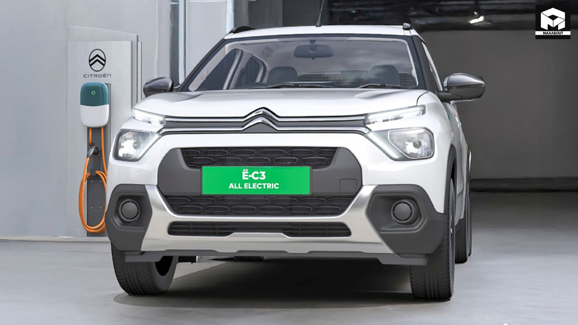
One thing that doesn't change between Euro spec and Indian spec: you still need places to charge this thing. India's charging infrastructure is improving but remains patchy outside major metros. The eC3's range – typically around 250-320 km depending on variant – makes it primarily a city car.
Before getting excited about any eC3 variant, honestly assess your charging situation:
- Do you have dedicated parking where a home charger can be installed?
- Are there reliable public charging stations on your regular routes?
- Does your daily driving fit comfortably within the range?
- Do you have a backup vehicle for longer trips?
These practical considerations matter more than which spec version you buy.
What Citroen Needs to Get Right
If Citroen is serious about the Euro spec launch, they can't just dump a better product in the market and expect success. Based on how launches typically succeed or fail in India, here's what needs to happen:
Transparent Communication
Clearly explain what's different and why it matters. Don't assume buyers will research every detail. Make the safety upgrades front and center in all marketing. People need to understand what they're paying extra for.
Reasonable Pricing
There's a sweet spot here. Too expensive, and it loses the "affordable EV" positioning entirely. Too cheap, and people wonder what corners are still being cut. Based on component costs and competitor pricing, somewhere in the ₹12-15 lakh range (ex-showroom) would be competitive for a well-equipped Euro spec version.
Service Network Expansion
Citroen's service network in India is still developing. The Euro spec will likely attract buyers from tier-2 and tier-3 cities who want safety but appreciate the value proposition. They need accessible, competent service centers to support these customers.
Actual Availability
Nothing kills momentum like announcing a product and then making buyers wait 6-8 months for delivery. Build adequate inventory before launch. Indian buyers have become increasingly impatient with long waiting periods, especially when alternatives are readily available.
Frequently Asked Questions
Will the Euro spec eC3 be significantly more expensive?
Based on the additional equipment and safety features, expect a premium of ₹75,000 to ₹1.5 lakh over the current top variant. The exact pricing will depend on whether Citroen positions this as a variant or replacement, and how aggressively they want to compete.
Can current eC3 owners upgrade to Euro spec features?
Unlikely. Structural safety features like reinforced bodies and properly integrated airbag systems can't be retrofitted. Some electronic features might be updateable, but the core safety differences are baked into the manufacturing process. This is why choosing the right version at purchase time matters.
How does the Euro spec eC3 compare to Tata's EVs?
The Tata Tiago EV and Tigor EV currently offer better safety credentials than the Indian-spec eC3. If Citroen brings the Euro version, it would level the playing field significantly. The choice would then come down to design preferences, brand trust, service network, and specific feature priorities rather than clear safety advantages.
What about battery warranty and electric motor reliability?
The electric powertrain should remain similar between versions – these components are already designed to international standards. Battery warranties in India typically run 8 years or 160,000 km for most EVs. The Euro spec differences focus more on safety structure and feature content rather than fundamental powertrain changes.
Should I wait for the Euro spec or buy an EV now?
It depends on your urgency and options. If you need a vehicle immediately and the current eC3 doesn't meet your safety expectations, look at alternatives like the Tata EVs. If you can wait 4-6 months and the eC3's design appeals to you, waiting could give you a significantly better product. There's no universal right answer – it's about your specific circumstances and priorities.
Final Thoughts: Hope With Cautious Optimism
The Citroen eC3 Euro spec sighting in India is genuinely encouraging. It suggests that feedback matters, that manufacturers are willing to reconsider strategies, and that the Indian market is maturing beyond pure price-focused decisions.
I've watched too many promising vehicles get compromised for the Indian market over the years. Sometimes it's justified – genuine cost constraints, different usage patterns, infrastructure limitations. But often it's just underestimating what Indian buyers actually want and deserve.
The original eC3 felt like one of those underestimations. Smart buyers recognized the compromises and many walked away. If the Euro spec launches here, it's Citroen acknowledging that mistake and correcting course. That's commendable, even if it should have been the approach from day one.
For the broader EV market in India, this is another signal that electric vehicles are moving from novelty to mainstream. Buyers expect the same safety, quality, and features they'd get in any modern vehicle – the electric powertrain doesn't excuse compromises elsewhere. Manufacturers who understand this will succeed. Those who don't will struggle, regardless of how competitive their pricing looks on paper.
Keep your eyes on official announcements from Citroen. If this Euro spec launch happens at a reasonable price point, it could be the electric hatchback that finally delivers on the promise of affordable, practical, and safe electric mobility for Indian families. And honestly, that's something worth getting excited about.
Until then, do your research, test drive everything in your budget, and don't let anyone rush you into a decision. The right EV for you is the one that meets your needs safely, reliably, and affordably – in that order.
Explore the story
Related news
Share your view and join the discussion.
Earn reward points for every comment and get a chance to win ₹1,000 in our weekly lucky draw. Sign in with Google in one tap.
Start the conversation
No one has commented on this article yet. Be the first to share your view.
Want to read more automotive news?
Stay updated with the latest car launches, reviews, and industry insights.
Browse All News