
Chery iCar V23 EV: Chinese Automaker's Strategic India Entry Plans
The electric vehicle landscape in India is about to get more interesting with Chinese automaker Chery's planned entry. As someone who closely follows the EV market, I believe this could be a significant development for Indian consumers seeking affordable electric mobility options.Chery isn't just an...
Editorial Team
The electric vehicle landscape in India is about to get more interesting with Chinese automaker Chery's planned entry. As someone who closely follows the EV market, I believe this could be a significant development for Indian consumers seeking affordable electric mobility options.
Chery isn't just another automotive newcomer - they've sold over 10 million vehicles globally and have been particularly successful with their electric offerings in markets like Europe and Southeast Asia. Their V23 platform, which underpins the upcoming iCar, has proven particularly impressive in terms of efficiency and range.
What makes this especially relevant for Indian buyers is Chery's expertise in developing EVs for diverse weather conditions and urban environments similar to ours. Their track record of producing EVs in the ₹15-20 lakh range could help bridge the current price gap between entry-level and premium electric vehicles in India.
While we've seen several international automakers announce their India plans, Chery's approach seems more strategic. Instead of simply importing their existing models, they're apparently adapting the V23 platform specifically for Indian conditions - thinking about our charging infrastructure, climate, and driving patterns.
The timing couldn't be better, as Indian consumers are increasingly looking for EVs that offer more than just basic transportation. Based on market research, there's particular demand in the mid-size segment where Chery traditionally excels.
What We Know About the Chery iCar V23
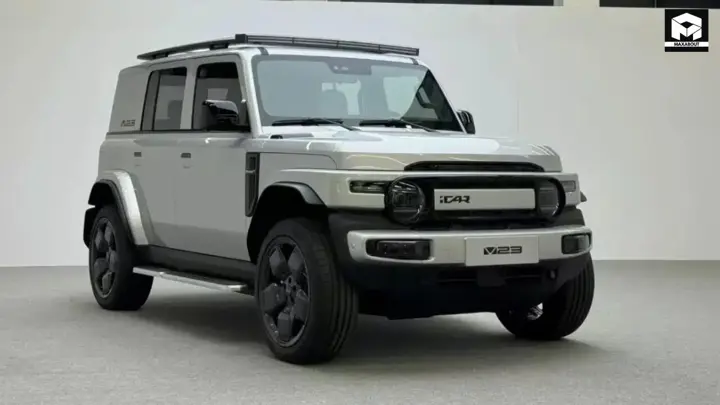
Based on preliminary technical documents and industry reports, the India-spec V23 will likely feature a 49kWh lithium iron phosphate battery pack, promising a range between 350-380km under standard testing conditions. In real-world Indian driving conditions, I expect this to translate to about 300-320km.
The electrical architecture supports both AC and DC fast charging. Sources indicate it will come with:
11kW AC charging capability (0-100% in around 6 hours)
80kW DC fast charging (10-80% in approximately 35 minutes)
Liquid-cooled battery management system (crucial for our summer temperatures)
Performance specifications appear competitive, with the electric motor producing 150kW (equivalent to about 201 horsepower). This puts it squarely against established players like the MG ZS EV and Hyundai Kona Electric.
What really catches my attention is the smart thermal management system. Having tested several EVs in peak Delhi summer, I understand how critical this is. The V23's system actively regulates battery temperature even when parked, which should help preserve range in extreme weather.
Expected to be priced between ₹25-30 lakh, the V23 would slot into an increasingly competitive segment. While this isn't exactly affordable, the technology package seems comprehensive enough to justify the positioning, especially considering the standard advanced driver assistance systems and connected car features.
Price Positioning and Market Impact
Looking at the current Indian EV landscape, the V23's expected ₹25-30 lakh price point puts it in direct competition with established players like the BYD Atto 3 and MG's ZS EV. I think this segment is becoming quite interesting - while it's above mass-market EVs like the Nexon EV, it offers significantly more sophisticated technology.
The competitive dynamics here are worth watching. Tata Motors has dominated the Indian EV space with a 62% market share, but their strength lies mainly in the sub-₹20 lakh segment. The V23 appears to target a different buyer entirely - someone who values advanced tech and is willing to pay for it.
What's particularly intriguing about this positioning is the value proposition. Consider that premium European EVs start around ₹45 lakh, while entry-level EVs cluster below ₹20 lakh. This creates a sweet spot between ₹25-35 lakh where manufacturers can offer advanced features without pushing into luxury pricing territory. Based on recent sales trends, I believe there's growing demand in this segment, especially among urban professionals and tech enthusiasts.
The timing also seems strategic - with India's charging infrastructure expanding in major cities and battery costs gradually declining, the market is becoming more receptive to EVs in this price range.
Adaptation for Indian Market
I expect Chery to make significant modifications to the iCar V23 for Indian conditions. Based on their engineering presentations, they're likely focusing on three critical areas: suspension tuning for our roads, thermal management for hot climates, and ground clearance optimization.
The company appears to be taking localization seriously. Their planned manufacturing facility near Pune should help control costs while ensuring parts availability. I think their approach of testing prototypes in cities like Bengaluru and Chennai - where temperatures regularly exceed 35°C - shows good understanding of our market needs.
Expected India-Specific Modifications
Reinforced underbody protection for rough roads
Enhanced dust protection for electrical components
Modified air conditioning system for tropical conditions
Charging port designed to meet Indian standards
The charging infrastructure compatibility looks promising. Their system supports both CCS2 and GB/T standards, which should work well with most Indian charging networks. However, I believe they'll need to establish at least 50 service centers across major cities before launch to build customer confidence.
Potential Challenges and Opportunities

Breaking into India's EV market won't be easy for Chery. I think their biggest hurdle will be competing with established players like Tata and Mahindra who already have strong brand trust. Most Indian buyers are understandably cautious about new automotive brands, especially for big purchases like EVs.
That said, there's real opportunity here. The ₹15-20 lakh EV segment has limited options right now. If Chery can price the iCar V23 competitively around ₹18 lakh, they could attract urban professionals looking for a modern electric car with good features.
Key Market Factors
Government Support: FAME-II subsidies and state incentives could help Chery offset initial costs
Urban Infrastructure: Major cities like Bengaluru and Mumbai are rapidly expanding charging networks
Consumer Mindset: Rising fuel prices are making more buyers consider the switch to electric
The real test will be after-sales support. Indian consumers expect quick service response and readily available parts. Chery needs to partner with established dealer networks and set up dedicated EV service centers, particularly in metros and tier-1 cities where early adoption is likely to be highest.
Looking at current market trends, I believe there's room for a well-priced, feature-rich EV in this segment. Success will depend on Chery's commitment to building trust through transparent communication and reliable service infrastructure.
Expected Timeline and Launch Details
Based on recent industry reports, Chery plans to introduce the iCar V23-based EV in India during Q4 2026. I expect they'll follow the proven strategy of starting with major metros like Mumbai, Delhi, and Bengaluru in the first phase.
The company appears to be taking a measured approach with their market entry. Rather than rushing to capture market share, they're focusing on establishing a strong foundation. Their planned rollout includes:
Initial soft launch in 8 metro cities
25 experience centers across tier-1 cities
Digital booking platform with refundable deposits
Test drive programs starting 2 months before launch
What's interesting is their hub-and-spoke service model. Each metro will have a central service hub supported by multiple smaller service points. This should help address the critical need for reliable maintenance support that Indian EV buyers often worry about.
Looking at their preparations, I think Q4 2026 is a realistic timeline. However, success will ultimately depend on their pricing strategy and how well they execute their service network plans before the launch.
What This Means for Indian EV Buyers
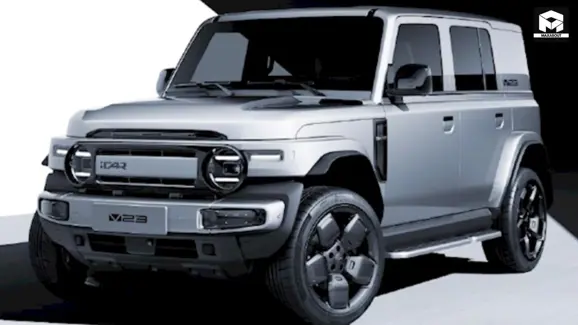
From what I see, this upcoming model could be a game-changer for middle-class urban families looking to make their first EV purchase. The expected price range of ₹18-22 lakh puts it squarely between budget options like Tata Nexon EV and premium offerings from European brands.
If you're planning to buy an EV in the next 12-18 months, here's what you should consider:
The V23 platform's proven track record in Southeast Asian markets suggests reliable performance in similar climate conditions
Expected battery range of 350-400 km should handle weekly commuting needs in cities like Bangalore or Mumbai without frequent charging
Advanced thermal management system will be particularly valuable during Indian summers
However, I wouldn't recommend postponing your purchase if you need a car immediately. While this model shows promise, being an early adopter of a new brand requires patience. Those with existing cars might want to wait and watch how the initial rollout goes.
What's particularly encouraging is how this launch could push other manufacturers to improve their mid-range EV offerings. We might see better features and competitive pricing from established players in response.
Explore the story
Related news

Share your view and join the discussion.
Earn reward points for every comment and get a chance to win ₹1,000 in our weekly lucky draw. Sign in with Google in one tap.
Start the conversation
No one has commented on this article yet. Be the first to share your view.
Want to read more automotive news?
Stay updated with the latest car launches, reviews, and industry insights.
Browse All News