
2 min read
321 views
Uber's Self-Driving Volvo XC90 SUV Officially Unveiled
Self-Driving Volvo XC90 will soon be serving the Uber’s ride-sharing service in the driverless department. The car is production-ready, carrying multiple additions to keep the system secure and powered at all times. Volvo has fitted the car with an undisclosed sensor setup that is securely mounted o...
Self-Driving Volvo XC90 will soon be serving the Uber’s ride-sharing service in the driverless department. The car is production-ready, carrying multiple additions to keep the system secure and powered at all times. Volvo has fitted the car with an undisclosed sensor setup that is securely mounted on the roof rails of the standard car. The backup systems secure the automatic braking and steering system. The system is quick and will take control if (ever) the primary system fails. The car features support for the Uber’s software installation as Volvo has not installed its own suite for self-driving purpose.
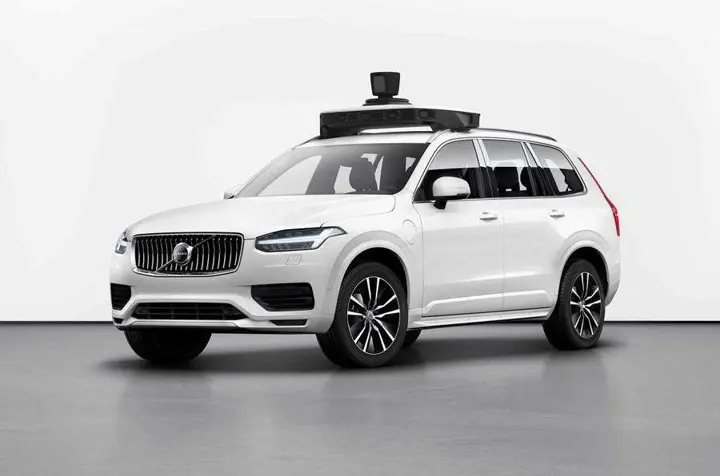 The move will help the platform expand as other ride-sharing applications can also use the same service and install their restrictions and features on the car. Uber has already commented that the new setup, along with the advanced XC90, is safer than what they currently offer to the customers. Volvo and Uber have signed a contract where the former is said to supply autonomous cars in bulk to the various markets. The number is hinted to be a five-digit figure. The installation of Uber’s advanced software will help the car drive itself without a mission specialist (emergency driver) in future testing.
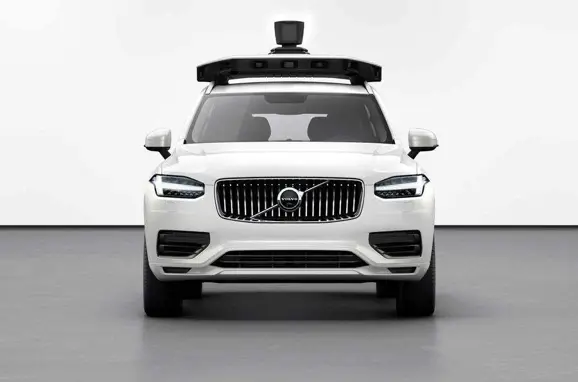 Uber is already using Self-Driving Volvo XC90 in the US for testing and number of units currently on the roads are close to 250. They also have a license to test the cars on public roads in Sweden. Out of all, one car was involved in a deadly crash in Arizona and soon after, the program was halted for the area. Along with Tesla, Volvo is another big name in the autonomous driving industry. They are expected to roll out completely driver-free cars in 2020 and soon, most other brands will also join the league. The rivals will also join Uber in the driverless league in the coming years.
The move will help the platform expand as other ride-sharing applications can also use the same service and install their restrictions and features on the car. Uber has already commented that the new setup, along with the advanced XC90, is safer than what they currently offer to the customers. Volvo and Uber have signed a contract where the former is said to supply autonomous cars in bulk to the various markets. The number is hinted to be a five-digit figure. The installation of Uber’s advanced software will help the car drive itself without a mission specialist (emergency driver) in future testing.
Uber is already using Self-Driving Volvo XC90 in the US for testing and number of units currently on the roads are close to 250. They also have a license to test the cars on public roads in Sweden. Out of all, one car was involved in a deadly crash in Arizona and soon after, the program was halted for the area. Along with Tesla, Volvo is another big name in the autonomous driving industry. They are expected to roll out completely driver-free cars in 2020 and soon, most other brands will also join the league. The rivals will also join Uber in the driverless league in the coming years.Ad
I
Immanuel Raja is an Automotive Writer with 8 years of experience covering the Indian automotive landscape. He specializes in Electric Vehicles and Hybrid Technology, with particular expertise in battery systems, charging infrastructure, and the integration of alternative powertrains in Indian road conditions. Raja has extensively tested over 200 vehicles across various segments, from entry-level EVs to premium hybrids, developing nuanced insights into their performance on India's diverse and challenging roads. His analysis encompasses both technical specifications and practical ownership considerations that matter to Indian consumers, including charging accessibility, maintenance costs, and performance in extreme weather conditions. With a finger on the pulse of India's evolving automotive preferences, Raja delivers clear, factual assessments that help readers navigate the transition to electrified mobility in the context of India's unique market dynamics.
About the Author
Explore the story
Related news
Comments
Share your view and join the discussion.
Start with:
Earn reward points for every comment and get a chance to win ₹1,000 in our weekly lucky draw. Sign in with Google in one tap.
Start the conversation
No one has commented on this article yet. Be the first to share your view.
Want to read more automotive news?
Stay updated with the latest car launches, reviews, and industry insights.
Browse All News