
2 min read
194 views
Volkswagen T-Cross SUV Unleashed to Rival Tata Harrier & Hyundai Creta
Volkswagen T-Cross, a befitting answer from the German brand to Hyundai Creta and upcoming Tata Harrier, is now official. The SUV comes in two variants, differentiating the models based on its length and exterior design. The longer version is planned for India and other emerging markets while shorte...
Volkswagen T-Cross, a befitting answer from the German brand to Hyundai Creta and upcoming Tata Harrier, is now official. The SUV comes in two variants, differentiating the models based on its length and exterior design. The longer version is planned for India and other emerging markets while shorter is focused on the European market. T-Cross measures 4,190mm in length and bring a wheelbase of 2,650mm for impressive legroom. The rear row is available with sliding seats for better utility when carrying extra luggage. Volkswagen shares the frame of new T-Cross with the Virtus sedan from the South American market.
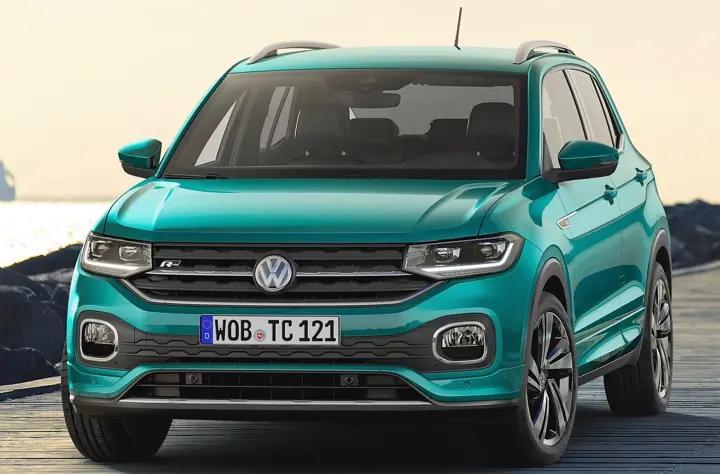 The smallest SUV from Volkswagen comes with an imposing grille and wide headlamps with LED daytime running lights. The body cladding is thick around the bumpers and thin on the wheel arches. The top-spec trim is said to be available with panoramic roof, automatic park assist, 8-inch infotainment display, ambient lighting, digital console and much more. Volkswagen may use the much-appreciated 1.0L TSI engine, good for 128 HP of maximum power and 196 Nm of torque for certain markets. Not just that, the even more powerful 1.4L TSI engine with 150 HP and 250 Nm is also on the cards.
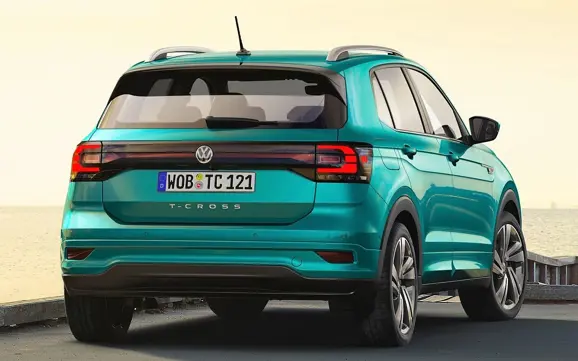 The Asian model will miss on automatic emergency braking, blind spot detection, and automatic high beam while standard features may include 6-airbags, ABS and ESP on the SUV. Volkswagen will share the platform with Skoda, hinting at an impressive SUV from them around 2020. The Skoda Vision X concept can clear the doubts regarding styling and design lines of the new SUV. Rivals for the T-Cross in India includes Nissan Kicks, Renault Captur, Hyundai Creta and Tata Harrier. Volkswagen will try pricing the T-Cross under INR 18 lakh for the top-spec model, starting with a petrol engine for well under INR 13 lakh.
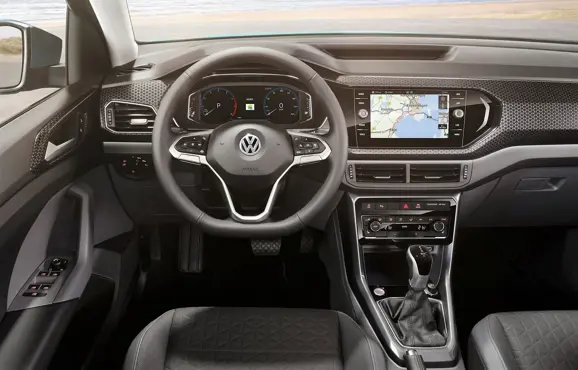
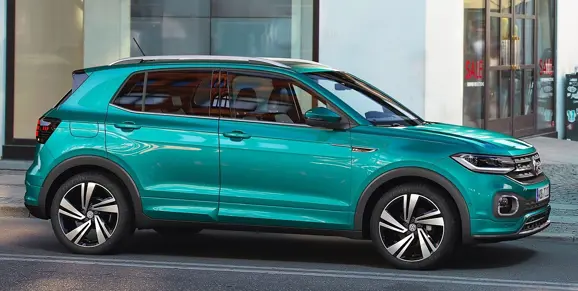
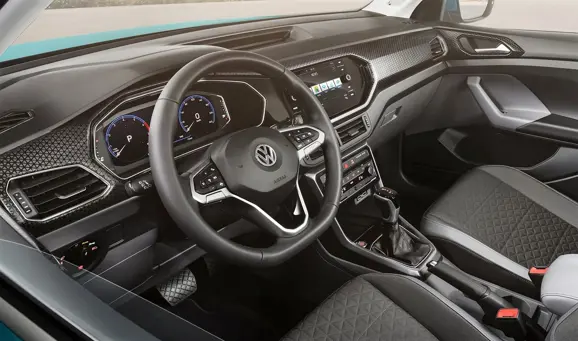
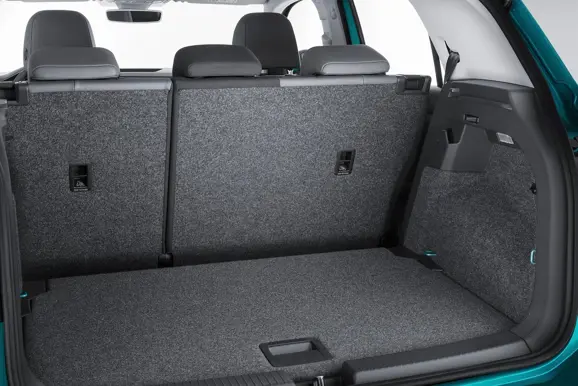
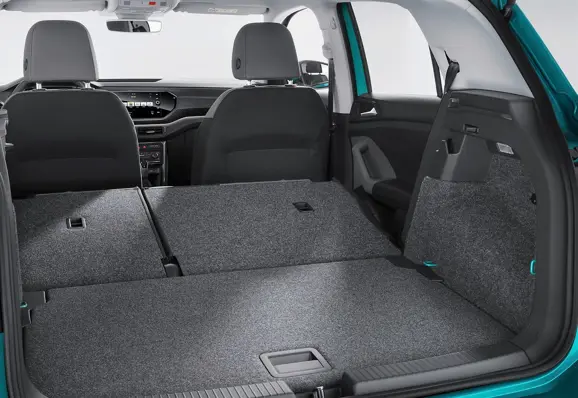
The smallest SUV from Volkswagen comes with an imposing grille and wide headlamps with LED daytime running lights. The body cladding is thick around the bumpers and thin on the wheel arches. The top-spec trim is said to be available with panoramic roof, automatic park assist, 8-inch infotainment display, ambient lighting, digital console and much more. Volkswagen may use the much-appreciated 1.0L TSI engine, good for 128 HP of maximum power and 196 Nm of torque for certain markets. Not just that, the even more powerful 1.4L TSI engine with 150 HP and 250 Nm is also on the cards.
The Asian model will miss on automatic emergency braking, blind spot detection, and automatic high beam while standard features may include 6-airbags, ABS and ESP on the SUV. Volkswagen will share the platform with Skoda, hinting at an impressive SUV from them around 2020. The Skoda Vision X concept can clear the doubts regarding styling and design lines of the new SUV. Rivals for the T-Cross in India includes Nissan Kicks, Renault Captur, Hyundai Creta and Tata Harrier. Volkswagen will try pricing the T-Cross under INR 18 lakh for the top-spec model, starting with a petrol engine for well under INR 13 lakh.
Volkswagen T-Cross Photos
Ad
I
Immanuel Raja is an Automotive Writer with 8 years of experience covering the Indian automotive landscape. He specializes in Electric Vehicles and Hybrid Technology, with particular expertise in battery systems, charging infrastructure, and the integration of alternative powertrains in Indian road conditions. Raja has extensively tested over 200 vehicles across various segments, from entry-level EVs to premium hybrids, developing nuanced insights into their performance on India's diverse and challenging roads. His analysis encompasses both technical specifications and practical ownership considerations that matter to Indian consumers, including charging accessibility, maintenance costs, and performance in extreme weather conditions. With a finger on the pulse of India's evolving automotive preferences, Raja delivers clear, factual assessments that help readers navigate the transition to electrified mobility in the context of India's unique market dynamics.
About the Author
Explore the story
Related news

Comments
Share your view and join the discussion.
Start with:
Earn reward points for every comment and get a chance to win ₹1,000 in our weekly lucky draw. Sign in with Google in one tap.
Start the conversation
No one has commented on this article yet. Be the first to share your view.
Want to read more automotive news?
Stay updated with the latest car launches, reviews, and industry insights.
Browse All News