
2 min read
184 views
Toyota to Use Maruti Ciaz's Engine in Corolla Altis Sedan
Japanese automotive giants Toyota & Suzuki have joined hands to help cut their developmental costs. The venture has been decided for the Japanese markets and the effects of this new partnership are being felt as far as the Indian shores. Quite soon, Toyota will use the new 1.5-liter K-series pet...
Japanese automotive giants Toyota & Suzuki have joined hands to help cut their developmental costs. The venture has been decided for the Japanese markets and the effects of this new partnership are being felt as far as the Indian shores. Quite soon, Toyota will use the new 1.5-liter K-series petrol engine that Suzuki has developed for the Ciaz facelift.
 The new 1.5-liter K-Series petrol engine is expected to produce nearly 104 HP of maximum power and 138 Nm of peak torque according to the reports. While the engine was designed and developed in Japan, it will be built by Maruti Suzuki in India, debuting in the Ciaz with the mild hybrid technology that Ciaz uses. The engine will appear in its full form and factor when Suzuki will bring the new Ertiga MPV to the markets. The engine will also appear in the petrol variant of the Vitara Brezza compact SUV.
With the engine replacing the current 1.4-liter K14B engine, it will be an upgrade for the Ciaz and the Ertiga, but for the Toyota Corolla, it will be a downgrade. The Corolla Altis currently uses a 1.8-liter four-cylinder engine that produces 140 HP of maximum power and 173 Nm of peak torque. When the Suzuki K-Series engine makes it to the Corolla Altis, it will surely get a re-tuning to help with a significant power bump to come somewhat close to what the current power numbers are. Toyota could also go the full hybrid way like it has with the Camry. This could be done if the engine does not get a re-tune and Toyota uses it as it is.
The new 1.5-liter K-Series petrol engine is expected to produce nearly 104 HP of maximum power and 138 Nm of peak torque according to the reports. While the engine was designed and developed in Japan, it will be built by Maruti Suzuki in India, debuting in the Ciaz with the mild hybrid technology that Ciaz uses. The engine will appear in its full form and factor when Suzuki will bring the new Ertiga MPV to the markets. The engine will also appear in the petrol variant of the Vitara Brezza compact SUV.
With the engine replacing the current 1.4-liter K14B engine, it will be an upgrade for the Ciaz and the Ertiga, but for the Toyota Corolla, it will be a downgrade. The Corolla Altis currently uses a 1.8-liter four-cylinder engine that produces 140 HP of maximum power and 173 Nm of peak torque. When the Suzuki K-Series engine makes it to the Corolla Altis, it will surely get a re-tuning to help with a significant power bump to come somewhat close to what the current power numbers are. Toyota could also go the full hybrid way like it has with the Camry. This could be done if the engine does not get a re-tune and Toyota uses it as it is.
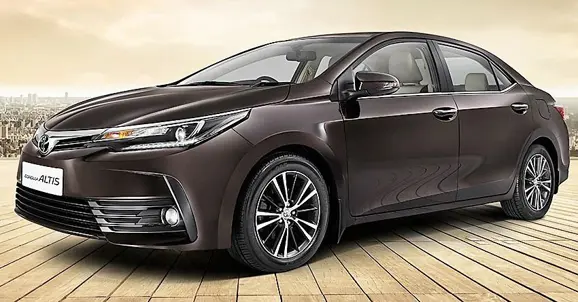 The next generation of the Corolla is expected to arrive by 2020. The partnership between Toyota and Suzuki will bring rebadged Balenos and Vitara Brezza under the Toyota brand and a rebadged version of the Corolla under the Maruti Suzuki badge.
The new 1.5-liter K-Series petrol engine is expected to produce nearly 104 HP of maximum power and 138 Nm of peak torque according to the reports. While the engine was designed and developed in Japan, it will be built by Maruti Suzuki in India, debuting in the Ciaz with the mild hybrid technology that Ciaz uses. The engine will appear in its full form and factor when Suzuki will bring the new Ertiga MPV to the markets. The engine will also appear in the petrol variant of the Vitara Brezza compact SUV.
With the engine replacing the current 1.4-liter K14B engine, it will be an upgrade for the Ciaz and the Ertiga, but for the Toyota Corolla, it will be a downgrade. The Corolla Altis currently uses a 1.8-liter four-cylinder engine that produces 140 HP of maximum power and 173 Nm of peak torque. When the Suzuki K-Series engine makes it to the Corolla Altis, it will surely get a re-tuning to help with a significant power bump to come somewhat close to what the current power numbers are. Toyota could also go the full hybrid way like it has with the Camry. This could be done if the engine does not get a re-tune and Toyota uses it as it is.
The next generation of the Corolla is expected to arrive by 2020. The partnership between Toyota and Suzuki will bring rebadged Balenos and Vitara Brezza under the Toyota brand and a rebadged version of the Corolla under the Maruti Suzuki badge.Ad
I
Immanuel Raja is an Automotive Writer with 8 years of experience covering the Indian automotive landscape. He specializes in Electric Vehicles and Hybrid Technology, with particular expertise in battery systems, charging infrastructure, and the integration of alternative powertrains in Indian road conditions. Raja has extensively tested over 200 vehicles across various segments, from entry-level EVs to premium hybrids, developing nuanced insights into their performance on India's diverse and challenging roads. His analysis encompasses both technical specifications and practical ownership considerations that matter to Indian consumers, including charging accessibility, maintenance costs, and performance in extreme weather conditions. With a finger on the pulse of India's evolving automotive preferences, Raja delivers clear, factual assessments that help readers navigate the transition to electrified mobility in the context of India's unique market dynamics.
About the Author
Explore the story
Related news



Comments
Share your view and join the discussion.
Start with:
Earn reward points for every comment and get a chance to win ₹1,000 in our weekly lucky draw. Sign in with Google in one tap.
Start the conversation
No one has commented on this article yet. Be the first to share your view.
Want to read more automotive news?
Stay updated with the latest car launches, reviews, and industry insights.
Browse All News