
2 min read
206 views
Jeep Wrangler Scores Just 1-Star Safety Rating in ANCAP Crash Test
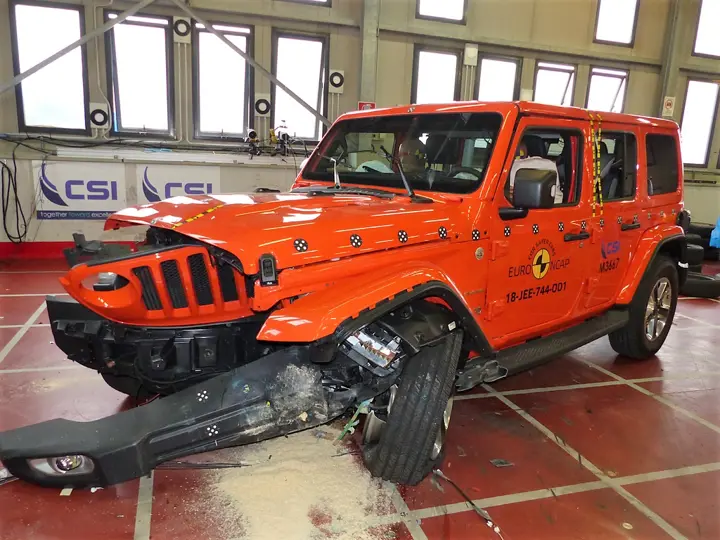
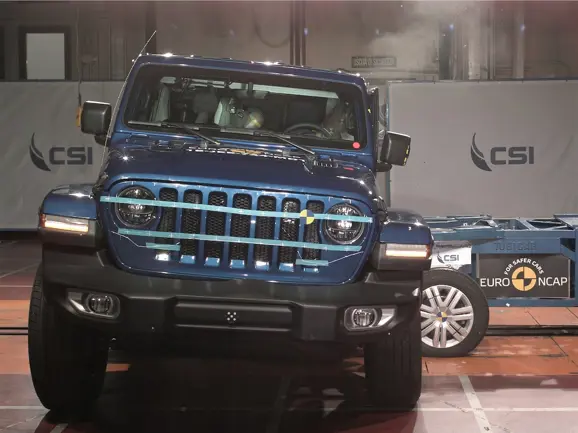
Jeep Wrangler recently scored a very disappointing 1-star safety rating in the ANCAP safety tests, failing one more time after the same test results in the Euro NCAP. The confusing part here is that the official website of the ANCAP is using the same images as Euro NCAP results, creating a state of ...
Jeep Wrangler recently scored a very disappointing 1-star safety rating in the ANCAP safety tests, failing one more time after the same test results in the Euro NCAP. The confusing part here is that the official website of the ANCAP is using the same images as Euro NCAP results, creating a state of confusion for the fans.
The test is valid from April 2019 and covers the Wrangler under the large SUV segment. The car was introduced in April on the Australian continent and the model tested here comes with four doors. The adult occupant protection rating varies largely because of the lack of emergency automatic braking on the Jeep variant used for the test.
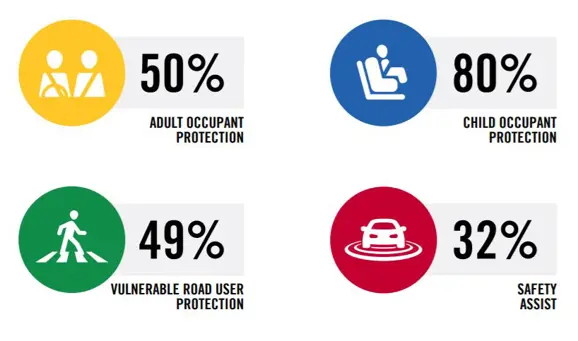
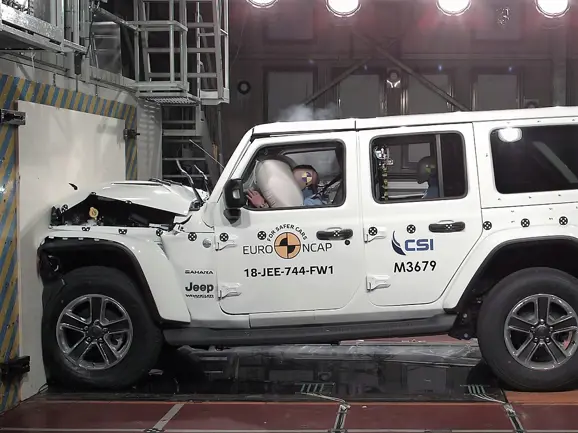
 The pole test scored zero out of eight and further made the number worse in overall terms. The overall rating for adult protection was 50% while child occupant protection was scored at 80%. Jeep Wrangler was listed with just 49% rating when it comes to pedestrian protection.
The official report was published online on May 28. The lowest score was 32% for the safety assist systems, primarily due to lack of features like lane keep assist and automatic braking. The rating is applicable to Sport, Overland, and Rubicon variant of the car.
The pole test scored zero out of eight and further made the number worse in overall terms. The overall rating for adult protection was 50% while child occupant protection was scored at 80%. Jeep Wrangler was listed with just 49% rating when it comes to pedestrian protection.
The official report was published online on May 28. The lowest score was 32% for the safety assist systems, primarily due to lack of features like lane keep assist and automatic braking. The rating is applicable to Sport, Overland, and Rubicon variant of the car.
 Jeep Wrangler can be had with a 3.6L V6 petrol and 2.2L turbo-diesel engine, keeping 4WD as standard on all the available variants. The head-protecting airbags are seen for the front seats only while the combination of side and chest protection airbags is available in both the rows.
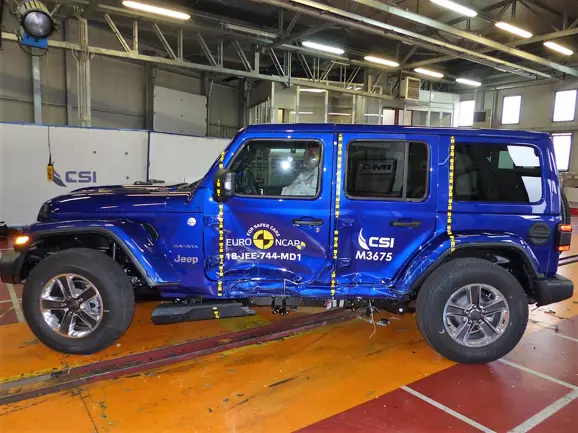
The most sensitive position for impact was rear seat passenger neck and chest area while unstable passenger cell further deducted points when concerning the safety of the driver. The car is primarily built for off-road use and thus, speeding may not be the first concern for most drivers but, before entering the off-road track, the car will be driven on the road for sure.
Jeep Wrangler can be had with a 3.6L V6 petrol and 2.2L turbo-diesel engine, keeping 4WD as standard on all the available variants. The head-protecting airbags are seen for the front seats only while the combination of side and chest protection airbags is available in both the rows.
The most sensitive position for impact was rear seat passenger neck and chest area while unstable passenger cell further deducted points when concerning the safety of the driver. The car is primarily built for off-road use and thus, speeding may not be the first concern for most drivers but, before entering the off-road track, the car will be driven on the road for sure.
 Source
The pole test scored zero out of eight and further made the number worse in overall terms. The overall rating for adult protection was 50% while child occupant protection was scored at 80%. Jeep Wrangler was listed with just 49% rating when it comes to pedestrian protection.
The official report was published online on May 28. The lowest score was 32% for the safety assist systems, primarily due to lack of features like lane keep assist and automatic braking. The rating is applicable to Sport, Overland, and Rubicon variant of the car.
Jeep Wrangler can be had with a 3.6L V6 petrol and 2.2L turbo-diesel engine, keeping 4WD as standard on all the available variants. The head-protecting airbags are seen for the front seats only while the combination of side and chest protection airbags is available in both the rows.
The most sensitive position for impact was rear seat passenger neck and chest area while unstable passenger cell further deducted points when concerning the safety of the driver. The car is primarily built for off-road use and thus, speeding may not be the first concern for most drivers but, before entering the off-road track, the car will be driven on the road for sure.
SourceAd
I
Immanuel Raja is an Automotive Writer with 8 years of experience covering the Indian automotive landscape. He specializes in Electric Vehicles and Hybrid Technology, with particular expertise in battery systems, charging infrastructure, and the integration of alternative powertrains in Indian road conditions. Raja has extensively tested over 200 vehicles across various segments, from entry-level EVs to premium hybrids, developing nuanced insights into their performance on India's diverse and challenging roads. His analysis encompasses both technical specifications and practical ownership considerations that matter to Indian consumers, including charging accessibility, maintenance costs, and performance in extreme weather conditions. With a finger on the pulse of India's evolving automotive preferences, Raja delivers clear, factual assessments that help readers navigate the transition to electrified mobility in the context of India's unique market dynamics.
About the Author
Comments
No comments yet
Be the first to share your thoughts!
Want to read more automotive news?
Stay updated with the latest car launches, reviews, and industry insights.
Browse All News