
2 min read
217 views
Indian Army Imposes Restrictions on Buying Cars from CSD
The Indian Army will change the CSD rules for buying cars from June 1, 2019. The rules will now monitor the number of cars bought by the defence personnel and allow them to have one car in a period of 8-years. Earlier, no such restriction was made as they could have more than one car within the 8-ye...
The Indian Army will change the CSD rules for buying cars from June 1, 2019. The rules will now monitor the number of cars bought by the defence personnel and allow them to have one car in a period of 8-years. Earlier, no such restriction was made as they could have more than one car within the 8-year service period.
The engine restriction on the new car will be up to 2500cc and benefits expected for a regular sized car can be up to INR 75,000 through the CSD. The jawans can buy one car each during their service and retirement period, and that too up to INR 6.50 lakh (including GST) during each purchase.
[caption id="attachment_494643" align="aligncenter" width="718"]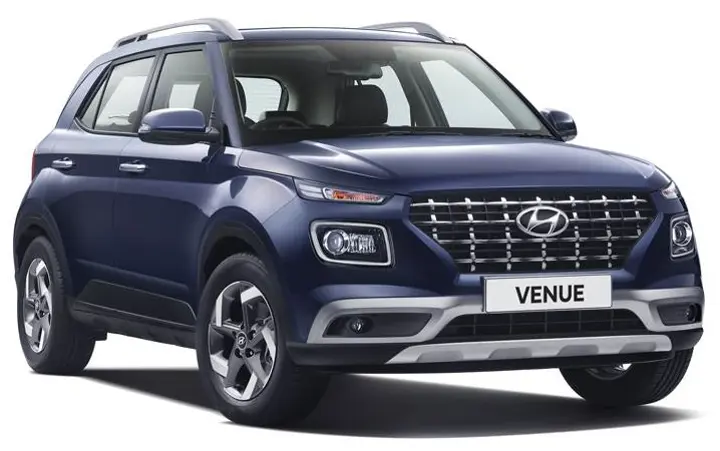 Hyundai Venue[/caption]
The Indian parliament allots INR 17,000 crores to the CSD (Canteen Stores Department) every year and the canteen gets 50% GST rebate on their purchases. The rebate is considered as a loss to the Indian treasury by the financial institutions.
A jump of approx 200% in the last two years show that while the overall industry trends are declining, CSD car purchases are steady and required moderation. Another reason for the increase in CSD car sales is the number of cars falling under the institution and the easy availability of loans.
[caption id="attachment_206783" align="aligncenter" width="749"]
Hyundai Venue[/caption]
The Indian parliament allots INR 17,000 crores to the CSD (Canteen Stores Department) every year and the canteen gets 50% GST rebate on their purchases. The rebate is considered as a loss to the Indian treasury by the financial institutions.
A jump of approx 200% in the last two years show that while the overall industry trends are declining, CSD car purchases are steady and required moderation. Another reason for the increase in CSD car sales is the number of cars falling under the institution and the easy availability of loans.
[caption id="attachment_206783" align="aligncenter" width="749"]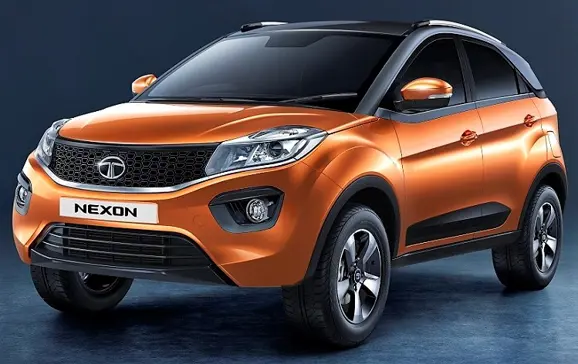 Tata Nexon[/caption]
The services offered by the Indian Army are never mistaken for comparison with any other institution but, the officers working in the Army’s own finance department have considered this step to keep the national treasury safe from piling debts.
When considering the INR 6.5 lakh upper limit for the Jawans, they can consider car options like Maruti Swift, Hyundai i20, base variants of Nexon and even the recently launched Hyundai Venue. The upper limit for the officers has not been mentioned while the maximum number of cars in India fall under the 2500cc engine size limit for the CSD canteen.
Source
Tata Nexon[/caption]
The services offered by the Indian Army are never mistaken for comparison with any other institution but, the officers working in the Army’s own finance department have considered this step to keep the national treasury safe from piling debts.
When considering the INR 6.5 lakh upper limit for the Jawans, they can consider car options like Maruti Swift, Hyundai i20, base variants of Nexon and even the recently launched Hyundai Venue. The upper limit for the officers has not been mentioned while the maximum number of cars in India fall under the 2500cc engine size limit for the CSD canteen.
Source
Hyundai Venue[/caption]
The Indian parliament allots INR 17,000 crores to the CSD (Canteen Stores Department) every year and the canteen gets 50% GST rebate on their purchases. The rebate is considered as a loss to the Indian treasury by the financial institutions.
A jump of approx 200% in the last two years show that while the overall industry trends are declining, CSD car purchases are steady and required moderation. Another reason for the increase in CSD car sales is the number of cars falling under the institution and the easy availability of loans.
[caption id="attachment_206783" align="aligncenter" width="749"] Tata Nexon[/caption]
The services offered by the Indian Army are never mistaken for comparison with any other institution but, the officers working in the Army’s own finance department have considered this step to keep the national treasury safe from piling debts.
When considering the INR 6.5 lakh upper limit for the Jawans, they can consider car options like Maruti Swift, Hyundai i20, base variants of Nexon and even the recently launched Hyundai Venue. The upper limit for the officers has not been mentioned while the maximum number of cars in India fall under the 2500cc engine size limit for the CSD canteen.
SourceAd
I
Immanuel Raja is an Automotive Writer with 8 years of experience covering the Indian automotive landscape. He specializes in Electric Vehicles and Hybrid Technology, with particular expertise in battery systems, charging infrastructure, and the integration of alternative powertrains in Indian road conditions. Raja has extensively tested over 200 vehicles across various segments, from entry-level EVs to premium hybrids, developing nuanced insights into their performance on India's diverse and challenging roads. His analysis encompasses both technical specifications and practical ownership considerations that matter to Indian consumers, including charging accessibility, maintenance costs, and performance in extreme weather conditions. With a finger on the pulse of India's evolving automotive preferences, Raja delivers clear, factual assessments that help readers navigate the transition to electrified mobility in the context of India's unique market dynamics.
About the Author
Explore the story
Related news
Comments
Share your view and join the discussion.
Start with:
Earn reward points for every comment and get a chance to win ₹1,000 in our weekly lucky draw. Sign in with Google in one tap.
Start the conversation
No one has commented on this article yet. Be the first to share your view.
Want to read more automotive news?
Stay updated with the latest car launches, reviews, and industry insights.
Browse All News