
2 min read
179 views
Big Drop in GST on Used Cars in India
GST on used cars has been reduced significantly to just 12-18%. Before this recent update, the slabs varied between 29-54.7%. The changes are valid from 25 January 2018 while these lower and upper percentage figures are for small used cars (12%) and large used cars (18%) respectively. This change w...
GST on used cars has been reduced significantly to just 12-18%. Before this recent update, the slabs varied between 29-54.7%. The changes are valid from 25 January 2018 while these lower and upper percentage figures are for small used cars (12%) and large used cars (18%) respectively.
This change was passed in 25th meeting of GST council in New Delhi. They even discussed on ways to make GST fillings easier. The cess applied on top of actual values in now removed while total GST value has also gone down considerably for used cars. Dealers were paying these values on their margins after selling the car.
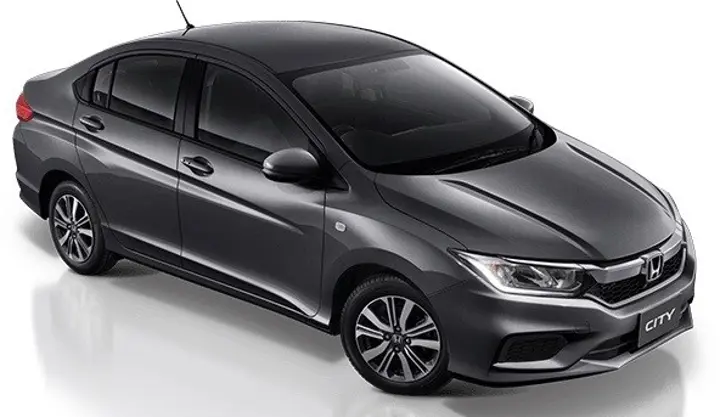 Honda City is one of the best-selling used cars in India[/caption]
Organised sector of used cars in India was under real pressure from the last high values of taxes on older cars. The council even reduced taxes on public vehicles using bio-fuel and claimed the new e-bill system to get ready by Feb 1, 2018. Indian automobile market saw GST as a relief when it was first launched back in July 2017.
Prices for most products were reduced but few months later, changes were made to bring things back on track with added cess values to the presently applied GST levels. Slabs start from as low as 5% but went higher to 28% for selected sectors like automobile.
[caption id="attachment_14496" align="aligncenter" width="842"]
Honda City is one of the best-selling used cars in India[/caption]
Organised sector of used cars in India was under real pressure from the last high values of taxes on older cars. The council even reduced taxes on public vehicles using bio-fuel and claimed the new e-bill system to get ready by Feb 1, 2018. Indian automobile market saw GST as a relief when it was first launched back in July 2017.
Prices for most products were reduced but few months later, changes were made to bring things back on track with added cess values to the presently applied GST levels. Slabs start from as low as 5% but went higher to 28% for selected sectors like automobile.
[caption id="attachment_14496" align="aligncenter" width="842"]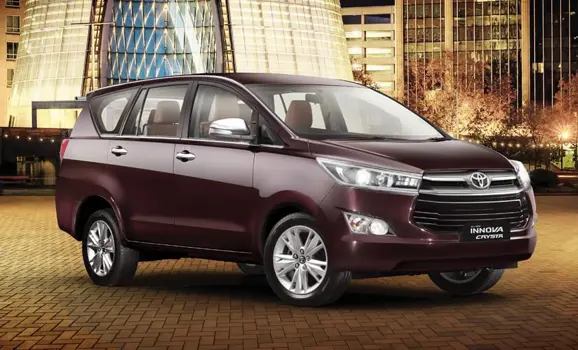 Toyota Innova has best resale value in premium cars in India[/caption]
Apart from the sub 4 meter petrol cars, almost every other car manufactured in India attracts a cess over this 28% GST value. This is the highest for SUV segment as buyers have to pay 53% GST on each product.
This means that car belonging to this category will cost almost INR 20 lakh to manufacturer and whooping INR 30+ lakh to the buyer. After that, buyers has to pay almost 11% of the value as road tax and other essentials. That counts to almost 64% in terms of overall taxes over the value.
Toyota Innova has best resale value in premium cars in India[/caption]
Apart from the sub 4 meter petrol cars, almost every other car manufactured in India attracts a cess over this 28% GST value. This is the highest for SUV segment as buyers have to pay 53% GST on each product.
This means that car belonging to this category will cost almost INR 20 lakh to manufacturer and whooping INR 30+ lakh to the buyer. After that, buyers has to pay almost 11% of the value as road tax and other essentials. That counts to almost 64% in terms of overall taxes over the value.
New GST on Used Cars
- Small Cars - 12%
- Large Cars - 18%
Honda City is one of the best-selling used cars in India[/caption]
Organised sector of used cars in India was under real pressure from the last high values of taxes on older cars. The council even reduced taxes on public vehicles using bio-fuel and claimed the new e-bill system to get ready by Feb 1, 2018. Indian automobile market saw GST as a relief when it was first launched back in July 2017.
Prices for most products were reduced but few months later, changes were made to bring things back on track with added cess values to the presently applied GST levels. Slabs start from as low as 5% but went higher to 28% for selected sectors like automobile.
[caption id="attachment_14496" align="aligncenter" width="842"] Toyota Innova has best resale value in premium cars in India[/caption]
Apart from the sub 4 meter petrol cars, almost every other car manufactured in India attracts a cess over this 28% GST value. This is the highest for SUV segment as buyers have to pay 53% GST on each product.
This means that car belonging to this category will cost almost INR 20 lakh to manufacturer and whooping INR 30+ lakh to the buyer. After that, buyers has to pay almost 11% of the value as road tax and other essentials. That counts to almost 64% in terms of overall taxes over the value.Ad
I
Immanuel Raja is an Automotive Writer with 8 years of experience covering the Indian automotive landscape. He specializes in Electric Vehicles and Hybrid Technology, with particular expertise in battery systems, charging infrastructure, and the integration of alternative powertrains in Indian road conditions. Raja has extensively tested over 200 vehicles across various segments, from entry-level EVs to premium hybrids, developing nuanced insights into their performance on India's diverse and challenging roads. His analysis encompasses both technical specifications and practical ownership considerations that matter to Indian consumers, including charging accessibility, maintenance costs, and performance in extreme weather conditions. With a finger on the pulse of India's evolving automotive preferences, Raja delivers clear, factual assessments that help readers navigate the transition to electrified mobility in the context of India's unique market dynamics.
About the Author
Explore the story
Related news
Comments
Share your view and join the discussion.
Start with:
Earn reward points for every comment and get a chance to win ₹1,000 in our weekly lucky draw. Sign in with Google in one tap.
Start the conversation
No one has commented on this article yet. Be the first to share your view.
Want to read more automotive news?
Stay updated with the latest car launches, reviews, and industry insights.
Browse All News