
3 min read
172 views
Here's Why the Future of Cars is Electric/Hybrid
It is actually hard to believe that we will move away from fossil fuel powered cars in this short interval but for the best of our planet, this needs to be done at an even faster pace than ever. Hybrid and Electric Cars are two extremely different categories of future products. As we all know tha...
It is actually hard to believe that we will move away from fossil fuel powered cars in this short interval but for the best of our planet, this needs to be done at an even faster pace than ever. Hybrid and Electric Cars are two extremely different categories of future products.
As we all know that petrol/diesel won't last forever, it is safe to assume that the upcoming decade will see a major switch from fuel to battery operated vehicles. They will not just cut down the emission of harmful gases by 100 percent but can help restore the environmental purity through lesser noise and distractions.
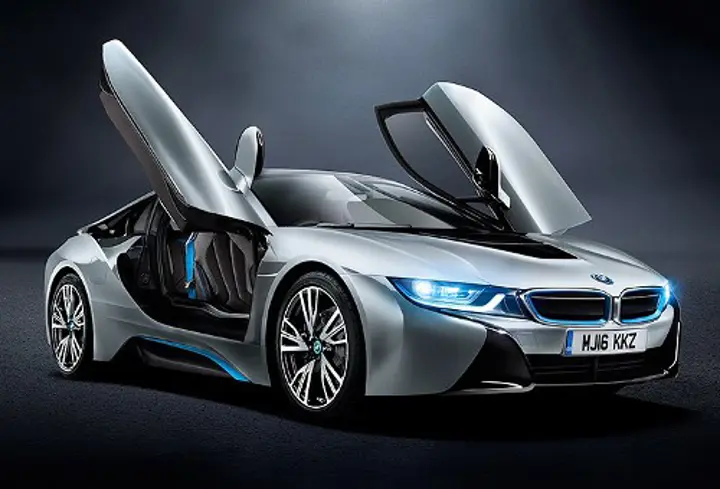 Hybrid is something that uses more than one source of energy to fulfill the purpose of driving. Most cars that fall in this category are equipped with a petrol/diesel motor that is generally smaller than the rivals for lesser emissions.
In order to fulfill the power gap, manufacturers employ electric motors to take the figure up and fill the void created by that smaller engine. This helps brands keep mileage under check and fetch more buyers into the hybrid segment. This technology will successfully work till the complete takeover by electric cars.
Hybrid is something that uses more than one source of energy to fulfill the purpose of driving. Most cars that fall in this category are equipped with a petrol/diesel motor that is generally smaller than the rivals for lesser emissions.
In order to fulfill the power gap, manufacturers employ electric motors to take the figure up and fill the void created by that smaller engine. This helps brands keep mileage under check and fetch more buyers into the hybrid segment. This technology will successfully work till the complete takeover by electric cars.
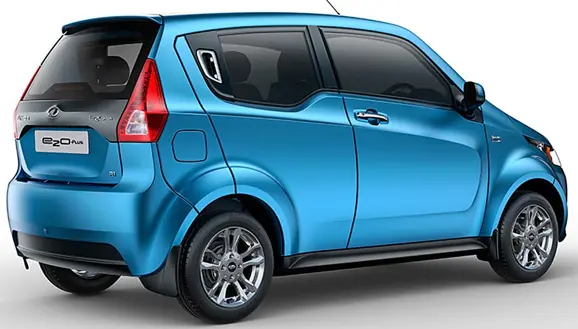 Yes, electric cars are the only species of our loved four wheeled friends that will survive the mass extinction event of the next decade. Soon, you will miss that growling sounds from those multiple cylinder engines as electric cars are quite and much more gentle in every way.
The only noise you may hear would be the friction between a tyre and earth's surface (that too may leave with flying cars!). You can compare an electric car to your smartphone. Plug, use, re-plug and reuse. No need to visit a fuel station as your household plug is enough for the purpose.
Yes, electric cars are the only species of our loved four wheeled friends that will survive the mass extinction event of the next decade. Soon, you will miss that growling sounds from those multiple cylinder engines as electric cars are quite and much more gentle in every way.
The only noise you may hear would be the friction between a tyre and earth's surface (that too may leave with flying cars!). You can compare an electric car to your smartphone. Plug, use, re-plug and reuse. No need to visit a fuel station as your household plug is enough for the purpose.
 Indian market currently has only one fully electric product in the cars section. To your surprise, Mahindra e2O Plus is our indigenous Tesla Model 3 as they use the most effective technology to create this zero emission car for the masses.
Mahindra uses an all electric drive-train to get 140 kilometer of driving range, that too with just 90 minutes of charging through a high speed charger. Future will see these turbochargers standing tall within parking areas where inserting coins would give you access to your car's daily juice.
Indian market currently has only one fully electric product in the cars section. To your surprise, Mahindra e2O Plus is our indigenous Tesla Model 3 as they use the most effective technology to create this zero emission car for the masses.
Mahindra uses an all electric drive-train to get 140 kilometer of driving range, that too with just 90 minutes of charging through a high speed charger. Future will see these turbochargers standing tall within parking areas where inserting coins would give you access to your car's daily juice.
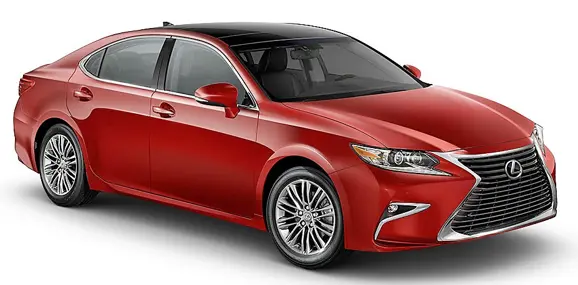
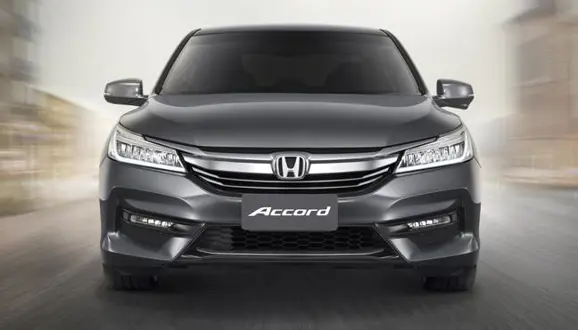 Honda Accord, Toyota Camry, Toyota Prius and even the BMW i8 fall under the hybrid car list of India. They all have petrol engines under their hood and use electric motors, regenerative braking and start-stop systems in order to save some fuel.
While the e2O Plus starts at INR 7.57 lakh, these cars are equipped with much more luxury and have around 6 times the price tag as the city hatchback. The BMW i8 is the most expensive one with INR 2.62 Crore of price tag. Toyota Camry is priced around INR 38 lakh for the Hybrid variant.
Honda Accord, Toyota Camry, Toyota Prius and even the BMW i8 fall under the hybrid car list of India. They all have petrol engines under their hood and use electric motors, regenerative braking and start-stop systems in order to save some fuel.
While the e2O Plus starts at INR 7.57 lakh, these cars are equipped with much more luxury and have around 6 times the price tag as the city hatchback. The BMW i8 is the most expensive one with INR 2.62 Crore of price tag. Toyota Camry is priced around INR 38 lakh for the Hybrid variant.
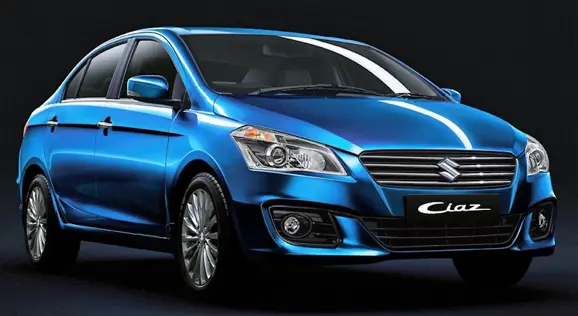
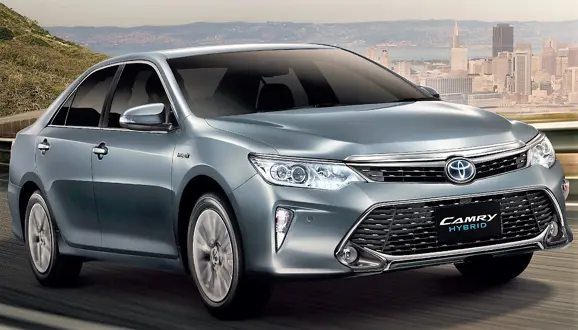 Apart from these two types of cars, Indian market currently has another type of hybrid cars on sale. Maruti Ciaz, Mahindra Scorpio and Maruti Ertiga are three such cars that use start-stop system and helps in saving fuel in everyday driving.
Hybrid is something that uses more than one source of energy to fulfill the purpose of driving. Most cars that fall in this category are equipped with a petrol/diesel motor that is generally smaller than the rivals for lesser emissions.
In order to fulfill the power gap, manufacturers employ electric motors to take the figure up and fill the void created by that smaller engine. This helps brands keep mileage under check and fetch more buyers into the hybrid segment. This technology will successfully work till the complete takeover by electric cars.
Yes, electric cars are the only species of our loved four wheeled friends that will survive the mass extinction event of the next decade. Soon, you will miss that growling sounds from those multiple cylinder engines as electric cars are quite and much more gentle in every way.
The only noise you may hear would be the friction between a tyre and earth's surface (that too may leave with flying cars!). You can compare an electric car to your smartphone. Plug, use, re-plug and reuse. No need to visit a fuel station as your household plug is enough for the purpose.
Indian market currently has only one fully electric product in the cars section. To your surprise, Mahindra e2O Plus is our indigenous Tesla Model 3 as they use the most effective technology to create this zero emission car for the masses.
Mahindra uses an all electric drive-train to get 140 kilometer of driving range, that too with just 90 minutes of charging through a high speed charger. Future will see these turbochargers standing tall within parking areas where inserting coins would give you access to your car's daily juice.
Honda Accord, Toyota Camry, Toyota Prius and even the BMW i8 fall under the hybrid car list of India. They all have petrol engines under their hood and use electric motors, regenerative braking and start-stop systems in order to save some fuel.
While the e2O Plus starts at INR 7.57 lakh, these cars are equipped with much more luxury and have around 6 times the price tag as the city hatchback. The BMW i8 is the most expensive one with INR 2.62 Crore of price tag. Toyota Camry is priced around INR 38 lakh for the Hybrid variant.
Apart from these two types of cars, Indian market currently has another type of hybrid cars on sale. Maruti Ciaz, Mahindra Scorpio and Maruti Ertiga are three such cars that use start-stop system and helps in saving fuel in everyday driving.
Ad
I
Immanuel Raja is an Automotive Writer with 8 years of experience covering the Indian automotive landscape. He specializes in Electric Vehicles and Hybrid Technology, with particular expertise in battery systems, charging infrastructure, and the integration of alternative powertrains in Indian road conditions. Raja has extensively tested over 200 vehicles across various segments, from entry-level EVs to premium hybrids, developing nuanced insights into their performance on India's diverse and challenging roads. His analysis encompasses both technical specifications and practical ownership considerations that matter to Indian consumers, including charging accessibility, maintenance costs, and performance in extreme weather conditions. With a finger on the pulse of India's evolving automotive preferences, Raja delivers clear, factual assessments that help readers navigate the transition to electrified mobility in the context of India's unique market dynamics.
About the Author
Explore the story
Related news
Comments
Share your view and join the discussion.
Start with:
Earn reward points for every comment and get a chance to win ₹1,000 in our weekly lucky draw. Sign in with Google in one tap.
Start the conversation
No one has commented on this article yet. Be the first to share your view.
Want to read more automotive news?
Stay updated with the latest car launches, reviews, and industry insights.
Browse All News