
BYD Racco Kei Car Unveiled: Japan Launch Expected in 2026
IntroductionThe automotive landscape is witnessing an interesting development with BYD's unveiling of the Racco, a purpose-built Kei car designed specifically for the Japanese market. As someone who closely follows electric vehicle developments and global market strategies, I find this move particul...
Automotive Writer
Introduction
The automotive landscape is witnessing an interesting development with BYD's unveiling of the Racco, a purpose-built Kei car designed specifically for the Japanese market. As someone who closely follows electric vehicle developments and global market strategies, I find this move particularly fascinating. BYD's entry into Japan's distinctive Kei car segment represents not just a new product launch, but a calculated strategy to penetrate one of the world's most unique automotive niches.
Japan's Kei car segment operates under strict dimensional and engine capacity regulations, making it a challenge for foreign manufacturers to enter. BYD's commitment to developing the Racco specifically for this market signals their serious global ambitions and willingness to adapt their technology to local requirements.
What Makes the BYD Racco Special
The BYD Racco stands out as a meticulously designed vehicle that adheres to Japan's Kei car regulations while incorporating BYD's signature electric drivetrain technology. From what's been revealed, the Racco maintains the compact dimensions required for Kei classification - typically under 3.4 meters in length, 1.48 meters in width, and 2.0 meters in height.
What's particularly noteworthy about the Racco is how BYD has managed to package their electric powertrain within these strict dimensional constraints. Unlike many other manufacturers who might simply shrink existing platforms, reports suggest BYD has developed a specific architecture for this vehicle.
Design Elements
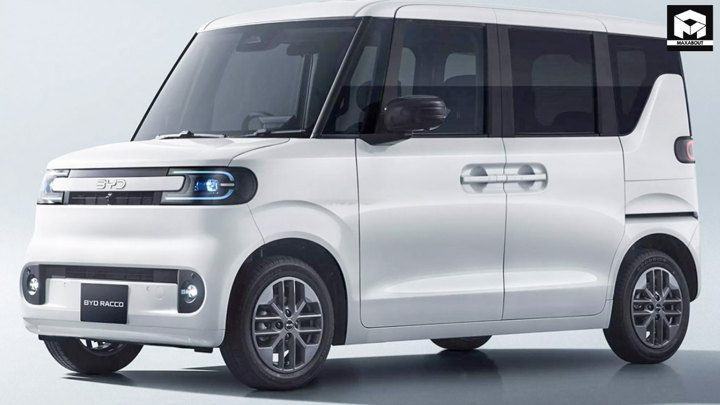
The Racco features a clean, minimalist design that appears to blend Japanese aesthetic sensibilities with BYD's contemporary styling language. From the released images, we can see:
- A compact yet practical body style with maximized interior space
- Modern LED lighting elements front and rear
- Aerodynamic profiles that help extend the vehicle's range
- Distinctive BYD design cues adapted to Kei car proportions
The vehicle's design seems to strike a balance between the practicality expected in the Kei segment and the futuristic appeal that characterizes modern EVs. This approach makes sense for the Japanese market, where functionality and innovation are equally valued.
Technical Specifications
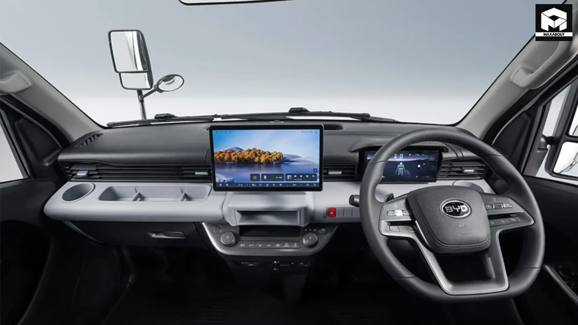
While BYD hasn't released comprehensive technical details yet, we can analyze what's known and expected based on the requirements of the Kei car category and BYD's existing technology.
Powertrain
According to industry reports, the Racco will likely feature:
- A compact electric motor producing output equivalent to or under the 64 horsepower limit typical for Kei cars
- BYD's Blade Battery technology, possibly in a scaled-down configuration
- Range estimates of 150-200 kilometers, which would be sufficient for the urban usage patterns common for Kei vehicles
Dimensions and Platform
To qualify as a Kei car, the Racco must adhere to strict dimensional regulations:
- Maximum length: 3.4 meters
- Maximum width: 1.48 meters
- Maximum height: 2.0 meters
This compact footprint presents interesting engineering challenges, especially for battery placement. Industry analysts suggest BYD may be implementing a specialized variant of their e-Platform 3.0 architecture, modified specifically to meet these dimensional constraints while maximizing interior space.
Market Strategy and Significance
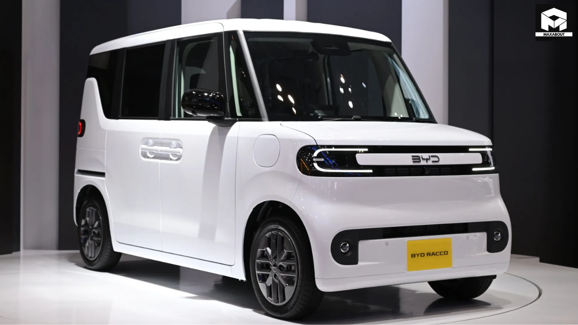
The decision to enter Japan's Kei car market isn't just about adding another model to BYD's lineup - it represents a sophisticated market entry strategy worth examining.
Why Japan's Kei Car Market Matters
Japan's Kei car segment accounts for roughly 40% of domestic auto sales, making it an enormous potential market. These vehicles are popular due to:
- Tax incentives and reduced parking fees
- Lower insurance costs
- Practical size for Japan's crowded urban environments
- Efficiency and affordability
By targeting this segment, BYD is aiming at a high-volume market with distinct local preferences - a smart move for establishing a foothold in Japan.
BYD's Global Expansion Context
The Racco launch is part of BYD's broader global expansion strategy. The company has been methodically entering markets worldwide, but what's particularly interesting about the Japan approach is their willingness to develop market-specific vehicles rather than simply importing their existing lineup.
This strategy demonstrates BYD's maturity as a global automaker. Rather than taking a one-size-fits-all approach, they're showing the flexibility to adapt to unique market conditions - something that established global players like Toyota and Volkswagen have traditionally excelled at.
Challenges and Competition
Entering Japan's automotive market presents significant challenges, especially for a Chinese manufacturer in the highly regulated Kei car segment.
Regulatory Hurdles
The Racco will need to pass Japan's stringent vehicle certification process, which includes:
- Extensive safety testing specific to Japanese standards
- Emissions and efficiency certifications
- Strict dimensional verification for Kei classification
The 2026 launch timeline suggests BYD is allowing adequate time to navigate these complex regulatory requirements.
Established Competition
The Kei car market has been dominated by domestic Japanese manufacturers for decades. BYD will face competition from established models like:
- Honda N-Box and N-One
- Suzuki Hustler and Alto
- Daihatsu Tanto and Mira
- Nissan Dayz
Many of these manufacturers are also developing electric Kei cars, meaning BYD won't have the electric powertrain as a unique selling proposition for long. Toyota and Suzuki have already announced collaborative efforts on electric Kei cars, potentially launching before the Racco's 2026 debut.
What to Expect for 2026
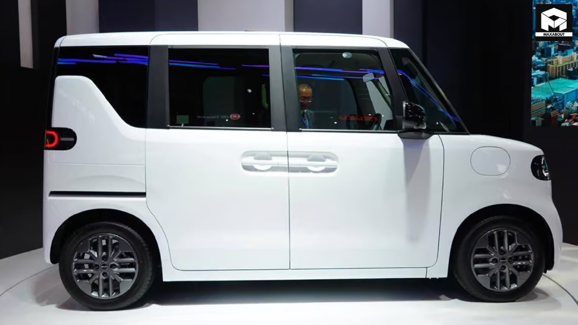
Looking ahead to the Racco's projected 2026 launch, we can anticipate several developments that will shape its market reception.
Pricing and Positioning
While specific pricing hasn't been announced, BYD will likely position the Racco competitively within the Kei car segment. Based on current market trends and BYD's pricing strategies in other markets, we might expect:
- A starting price potentially between 2.5-3.5 million yen
- Possible government incentives for electric vehicles that could reduce effective consumer cost
- Multiple trim levels to capture different price points within the segment
Distribution and Service Network
BYD has been establishing its presence in Japan since 2022, but a successful Kei car launch will require a more comprehensive dealer and service network. The company likely has plans to expand their Japanese footprint significantly before the 2026 launch to ensure adequate sales and after-sales support.
Frequently Asked Questions
What is a Kei car?
Kei cars are a Japanese vehicle category defined by specific size limitations (maximum 3.4m length, 1.48m width, 2.0m height) and engine displacement (currently 660cc). They receive tax and insurance benefits in Japan and are particularly popular in urban areas due to their compact size.
Will the BYD Racco be available outside Japan?
Currently, BYD has only announced plans to sell the Racco in Japan. Kei cars are specifically designed for Japanese regulations and rarely exported to other markets. However, the technology and platform developments might influence BYD's compact car offerings in other regions.
How does the Racco compare to other electric Kei cars?
Several Japanese manufacturers are developing electric Kei cars, but few have reached production. The Racco will likely compete with upcoming models from Nissan, Mitsubishi, and the Toyota-Suzuki collaboration. BYD's experience with electric drivetrains could give them certain advantages in efficiency and battery management.
Conclusion
The BYD Racco represents a significant strategic move by one of the world's fastest-growing automakers. By developing a purpose-built vehicle for Japan's unique Kei car segment, BYD demonstrates both global ambition and market sensitivity. The 2026 launch timeline gives them adequate preparation for regulatory compliance and network development.
For Japanese consumers, the Racco could offer an interesting alternative in the Kei car market - combining the practical benefits of the Kei classification with modern electric drivetrain technology. While BYD faces significant challenges in penetrating this established market, their willingness to create market-specific vehicles rather than simply importing existing models shows a sophisticated understanding of global automotive markets.
The success of the Racco will depend not just on the vehicle's specifications and pricing, but on BYD's ability to establish brand credibility in a market historically skeptical of non-Japanese automotive brands. If successful, this focused approach could become a template for BYD's expansion into other markets with unique regulatory frameworks and consumer preferences.
Explore the story
Related news



Share your view and join the discussion.
Earn reward points for every comment and get a chance to win ₹1,000 in our weekly lucky draw. Sign in with Google in one tap.
Start the conversation
No one has commented on this article yet. Be the first to share your view.
Want to read more automotive news?
Stay updated with the latest car launches, reviews, and industry insights.
Browse All News