
BMW Speedtop Concept India: Performance, Features & Price Compared
What Exactly Is the BMW Speedtop Concept?The BMW Speedtop isn't a specific car model—it's a patented technology related to convertible roof mechanisms. According to publicly available patent filings, BMW has been working on advanced folding hardtop systems that promise faster operation, better space...
By noopur gupta
Automotive Writer
What Exactly Is the BMW Speedtop Concept?
The BMW Speedtop isn't a specific car model—it's a patented technology related to convertible roof mechanisms. According to publicly available patent filings, BMW has been working on advanced folding hardtop systems that promise faster operation, better space efficiency, and improved structural integrity compared to traditional convertible roofs.
From what I've seen in the patent documents, this system focuses on solving some classic convertible problems. You know how most hardtop convertibles take forever to open and close? And they eat up your entire trunk space when the roof is down? BMW seems to be tackling exactly these pain points.
The Speedtop concept reportedly features a multi-panel folding mechanism that collapses more efficiently than conventional designs. Industry reports suggest it could reduce the roof operation time significantly while maintaining the sleek profile BMW convertibles are known for.
Why Patent This Technology in India?
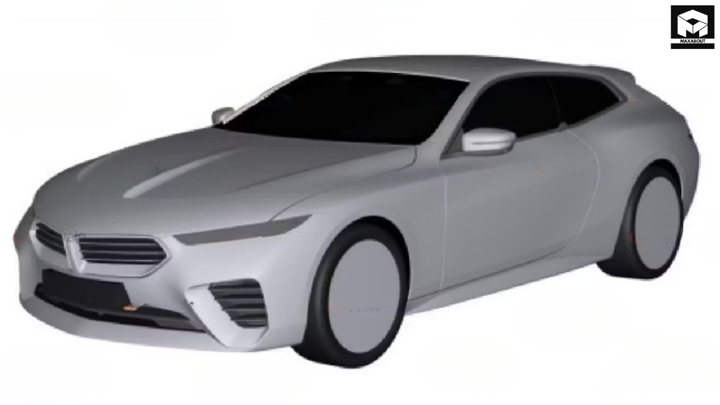
Here's where things get interesting. India isn't exactly known as a massive convertible market. Our weather, traffic conditions, and road infrastructure don't scream "open-top motoring paradise." So why would BMW bother patenting this here?
Protecting Intellectual Property Globally
International companies typically file patents across multiple markets to protect their innovations globally. Even if BMW never sells a Speedtop-equipped car in India, the patent prevents other manufacturers from using similar technology here.
I've noticed major automakers increasingly filing patents in emerging markets like India, regardless of immediate production plans. It's basically future-proofing their intellectual property portfolio.
Testing the Waters for Premium Segments
India's luxury car market has been growing steadily. According to industry observers, premium automobile sales have shown consistent upticks year-over-year, despite economic fluctuations. BMW might be positioning itself for a future where Indian buyers have more appetite for niche vehicles like convertibles.
Look at how the luxury SUV segment exploded in India over the past decade. Nobody predicted that either. BMW's patent filing could be similar forward-thinking strategy.
Manufacturing and Export Potential
There's another angle worth considering. India has become a significant manufacturing hub for global automakers. While this is speculative, BMW could potentially explore producing Speedtop-equipped vehicles here for export markets, especially given India's competitive manufacturing costs and skilled workforce.
The Technical Innovation Behind Speedtop
Let me break down what makes this technology noteworthy, based on publicly available patent information and established automotive engineering principles.
Faster Roof Operation
Traditional hardtop convertibles often take 15-20 seconds to operate. That might not sound like much, but when you're stuck at a traffic light or in a parking lot, every second counts. The Speedtop concept reportedly aims to reduce this significantly through optimized panel geometry and improved actuator systems.
Speed matters because it affects real-world usability. How often do convertible owners actually drop the top? Studies suggest many skip it because of the hassle. Faster operation could genuinely change behavior patterns.
Space-Efficient Design
The patent appears to focus heavily on how the roof panels stack when folded. This is crucial because convertibles typically sacrifice significant trunk space. The Z4, for instance, sees its cargo capacity drop substantially with the roof down—a common complaint among convertible owners.
BMW's Speedtop design seems to address this through a more compact folding pattern. While exact specifications aren't publicly detailed, the mechanism apparently allows for better storage compartment utilization.
Structural Rigidity Improvements
Here's something enthusiasts care deeply about: convertibles traditionally struggle with chassis flex. When you remove a fixed roof, you lose structural rigidity, which affects handling, produces unwanted noise, and creates long-term durability concerns.
The Speedtop patent reportedly includes reinforcement strategies that maintain better structural integrity during operation and while driving. This matters enormously for BMW's performance-oriented customer base who expect their convertibles to handle nearly as well as their coupe counterparts.
What This Could Mean for Future BMW Models
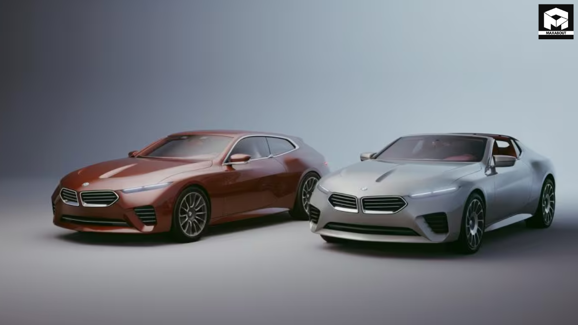
Patents are interesting because they reveal what manufacturers are thinking about, even if those ideas never reach production. So what might we actually see?
Potential Application in Existing Lineup
BMW currently offers several convertibles globally, including the 4 Series and 8 Series Convertibles, plus the Z4 roadster. The Speedtop technology would most logically apply to the hardtop variants if BMW decides to implement it.
The 8 Series Convertible, positioned as BMW's flagship open-top grand tourer, would be a natural candidate. Improving its practicality while maintaining that stunning design could strengthen its appeal against competitors like the Mercedes-Benz S-Class Cabriolet or Bentley Continental GT Convertible.
Revival of Classic Models?
This is where my imagination runs wild. BMW has hinted at various points about potentially reviving iconic nameplates. Could improved convertible technology enable a new 6 Series Convertible? Or perhaps make a business case for convertible versions of other models that previously didn't offer them?
The automotive industry loves nostalgia, and BMW has incredible convertible heritage. Better technology could justify bringing back beloved models with improved functionality.
Electric Convertibles on the Horizon
Here's a thought that keeps popping up in industry discussions: electric vehicles offer unique packaging advantages because there's no traditional engine taking up space. An EV platform combined with efficient Speedtop technology could create genuinely practical electric convertibles.
BMW has committed heavily to electrification. Imagine an i4 Convertible with instant torque, zero emissions, and a roof that operates quickly without sacrificing much trunk space. That could redefine the convertible segment entirely.
The Reality Check: Patents vs. Production
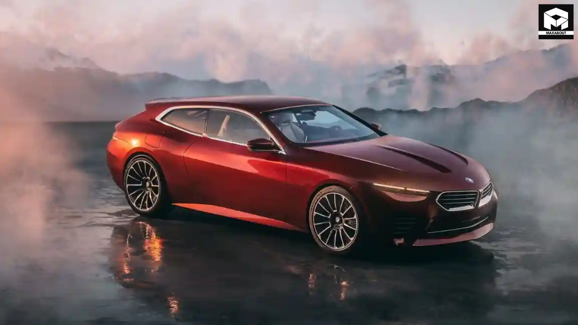
Let me pump the brakes here for a second. As exciting as patents are, they don't guarantee production vehicles. Automotive companies file thousands of patents annually, and only a fraction ever see daylight.
Why Patents Don't Always Materialize
Several factors prevent patents from becoming reality:
- Cost considerations: The technology might be too expensive to manufacture profitably
- Market demand: Consumer interest might not justify development costs
- Technical challenges: Real-world testing might reveal unforeseen problems
- Strategic changes: Company priorities shift as markets evolve
- Competitive landscape: Competitors might develop superior alternatives
I've seen countless exciting automotive patents over the years that never progressed beyond documents. Remember when everyone thought we'd have morphing wheels or transparent hoods by now?
The Business Case Challenge
Convertibles represent a tiny slice of global automobile sales. They're expensive to develop, cater to a niche audience, and face increasing regulatory challenges around safety standards. BMW needs compelling business reasons to invest in new convertible technology.
That said, premium manufacturers like BMW often justify niche products as brand-building exercises. They create aspirational appeal and showcase engineering capabilities even if they don't directly drive volume.
What Indian Auto Enthusiasts Should Watch For
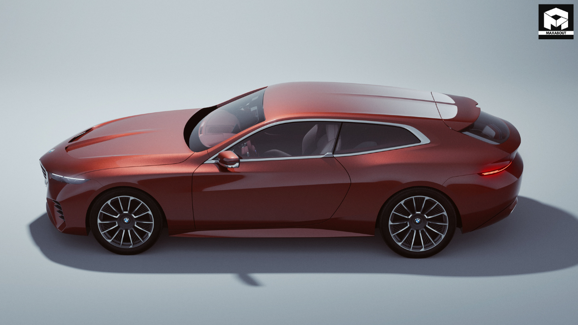
For those of us in India following BMW's moves, here's what I'm keeping an eye on:
Official Announcements and Teasers
BMW typically telegraphs major technology introductions through concept cars, press releases, or strategic leaks. If Speedtop is headed to production, we'll likely see preview vehicles at major auto shows first.
The Munich or Frankfurt auto shows would be natural venues, though BMW has increasingly used dedicated brand events for significant reveals.
Movement in International Markets
Technologies like this typically debut in BMW's home European market or in the United States before reaching India. Watching for Speedtop-equipped vehicles in those regions would signal potential Indian availability down the line.
Given India's luxury car import regulations and market size, we'd probably see these vehicles as completely built units (CBUs) initially if they arrive at all.
Broader Technology Sharing
Sometimes the most valuable aspect of patents isn't the specific application but the underlying technology. Innovations developed for Speedtop might influence BMW's entire vehicle architecture, potentially benefiting models that reach India even if convertibles don't.
The Bigger Picture: Innovation in the Auto Industry
Stepping back from this specific patent, it's worth considering what it tells us about automotive innovation broadly.
The Patent Race Continues
Despite industry consolidation and the shift toward electrification, traditional engineering challenges haven't disappeared. Manufacturers still compete fiercely on mechanical innovation, user experience, and clever problem-solving.
The fact that BMW is still refining convertible roof technology—something that's existed for decades—shows there's always room for improvement. That's encouraging for anyone who loves automotive engineering.
Regional Patent Strategy Evolution
BMW filing this in India reflects how global manufacturers now view emerging markets. We're no longer afterthoughts receiving hand-me-down technology years late. We're part of the strategic planning from day one, even for premium technologies.
This shift benefits Indian consumers through earlier access to innovations and demonstrates growing confidence in our market's potential.
Frequently Asked Questions
Will the BMW Speedtop be available in India?
There's no official announcement about Speedtop-equipped vehicles coming to India. The patent filing protects BMW's intellectual property but doesn't confirm production plans or market availability. Given India's limited convertible market, these vehicles would likely remain rare even if introduced.
Which BMW models might use Speedtop technology?
Based on BMW's current lineup, the technology would most logically apply to the 4 Series Convertible, 8 Series Convertible, or Z4. However, this is speculative as BMW hasn't confirmed which vehicles, if any, will feature this system.
How much would a BMW with Speedtop cost in India?
Pricing is impossible to predict without knowing specific models or production timelines. BMW convertibles in India typically command significant premiums over their coupe counterparts, often starting above ₹70-80 lakhs and extending well beyond ₹2 crores for flagship models.
When was the Speedtop patent filed?
Patent filing dates for the Indian application aren't widely publicized in initial reports. These documents typically surface through patent office databases, and specific timing varies. International patents often appear in multiple regions with staggered filing dates.
Does this mean BMW is focusing more on India?
Patent filings are part of comprehensive IP protection strategies rather than market-specific commitment indicators. However, BMW has indeed been expanding its Indian presence with local assembly, broader model ranges, and increased dealership networks. The patent filing aligns with that general trend of taking the Indian market seriously.
Conclusion
The BMW Speedtop concept patent in India offers a fascinating glimpse into how premium automakers think about innovation, even for niche vehicle segments. While we shouldn't expect Speedtop-equipped convertibles rolling into Indian showrooms anytime soon, the patent tells a broader story about technological development and global IP strategy.
What excites me most isn't necessarily the specific application, but what it represents. BMW continues investing in refining traditional automotive challenges while simultaneously pushing into electrification and autonomous driving. This parallel approach—honoring driving pleasure while embracing future technologies—defines the brand's identity.
For Indian enthusiasts, developments like this remind us that our market increasingly matters in global automotive planning. Whether or not we see Speedtop technology here, the fact that BMW filed the patent in India signals our growing importance. That's something worth celebrating regardless of your personal interest in convertibles.
Will we eventually see these innovative roofs on Indian roads? Time will tell. But I'll keep watching patent filings, auto show reveals, and BMW's strategic announcements. Because in this industry, today's obscure patent often becomes tomorrow's must-have feature. And that journey from concept to reality? That's what makes following automotive innovation so endlessly fascinating.
Explore the story
Related news

Share your view and join the discussion.
Earn reward points for every comment and get a chance to win ₹1,000 in our weekly lucky draw. Sign in with Google in one tap.
Start the conversation
No one has commented on this article yet. Be the first to share your view.
Want to read more automotive news?
Stay updated with the latest car launches, reviews, and industry insights.
Browse All News