
2 min read
226 views
Yamaha XSR 155 in the Making; India Launch Possible
Considering the rise in the sales of retro-inspired small displacement motorcycles in Europe, Yamaha is planning the same for the Indonesian market. The brand is likely to introduce the Yamaha XSR 155 in Indonesia which will be based on its heritage lineup that consists of higher displacement retro ...
Considering the rise in the sales of retro-inspired small displacement motorcycles in Europe, Yamaha is planning the same for the Indonesian market. The brand is likely to introduce the Yamaha XSR 155 in Indonesia which will be based on its heritage lineup that consists of higher displacement retro motorcycles like XSR 700 and XSR 900.
Yamaha will be adopting the same design language of the 'Sports Heritage' series for the XSR 155. Powering the motorcycle will be the R15 V3's 155cc, liquid-cooled fuel-injected engine, capable of churning out a maximum power of 19.3 HP at 10,000 rpm and an utmost torque of 14.7 Nm at 8500 rpm. The engine will be mated to a 6-speed gearbox that will be assisted by a slipper clutch as standard.
[caption id="attachment_513400" align="aligncenter" width="1024"]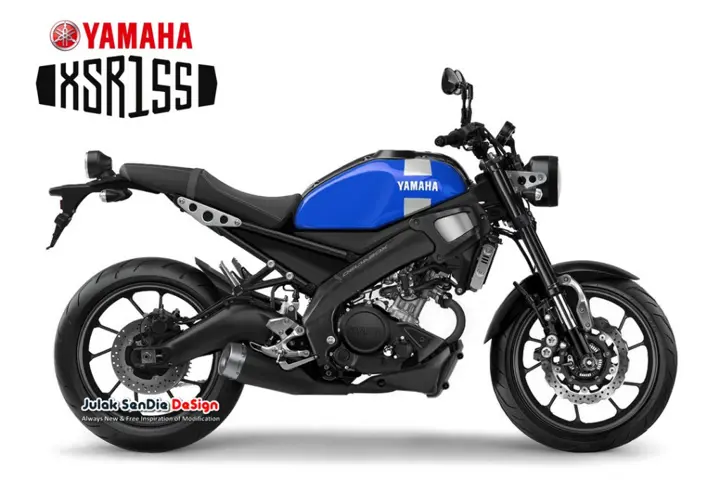 Rendered Image of Yamaha XSR 155[/caption]
The suspension duties will be handled by upside-down forks at the front while the rear of the bike will get an adjustable monoshock. The retro-inspired round headlamp will give the bike an overall 'Sports Heritage' look while it is likely to feature the same fully-digital instrument console as seen on the Yamaha XSR 700 and XSR 900.
According to the reports, Yamaha might use a deltabox chassis for the XSR 155 instead of the trellis frame in order to keep the price in check. The brand is likely to launch the motorcycle in India as well after its initial launch in Indonesia by the end of 2019. It is also being rumoured that Yamaha may showcase the India-spec XSR 155 at the Auto Expo in February 2020.
The India-specific model of the Yamaha XSR 155 will feature standard telescopic front forks instead of USD (Upside Down) forks. The motorcycle is likely to get an ex-showroom price tag of around INR 1.50-1.60 lakh in the Indian market.
Rendered Image Source: Julak Sendie Design
[caption id="attachment_512725" align="aligncenter" width="850"]
Rendered Image of Yamaha XSR 155[/caption]
The suspension duties will be handled by upside-down forks at the front while the rear of the bike will get an adjustable monoshock. The retro-inspired round headlamp will give the bike an overall 'Sports Heritage' look while it is likely to feature the same fully-digital instrument console as seen on the Yamaha XSR 700 and XSR 900.
According to the reports, Yamaha might use a deltabox chassis for the XSR 155 instead of the trellis frame in order to keep the price in check. The brand is likely to launch the motorcycle in India as well after its initial launch in Indonesia by the end of 2019. It is also being rumoured that Yamaha may showcase the India-spec XSR 155 at the Auto Expo in February 2020.
The India-specific model of the Yamaha XSR 155 will feature standard telescopic front forks instead of USD (Upside Down) forks. The motorcycle is likely to get an ex-showroom price tag of around INR 1.50-1.60 lakh in the Indian market.
Rendered Image Source: Julak Sendie Design
[caption id="attachment_512725" align="aligncenter" width="850"]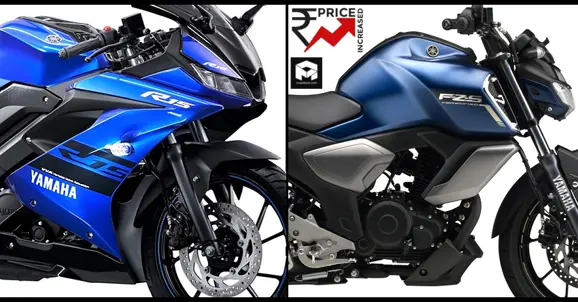 Yamaha R15 V3 and FZS V3 Price Increased in India[/caption]
Rendered Image of Yamaha XSR 155[/caption]
The suspension duties will be handled by upside-down forks at the front while the rear of the bike will get an adjustable monoshock. The retro-inspired round headlamp will give the bike an overall 'Sports Heritage' look while it is likely to feature the same fully-digital instrument console as seen on the Yamaha XSR 700 and XSR 900.
According to the reports, Yamaha might use a deltabox chassis for the XSR 155 instead of the trellis frame in order to keep the price in check. The brand is likely to launch the motorcycle in India as well after its initial launch in Indonesia by the end of 2019. It is also being rumoured that Yamaha may showcase the India-spec XSR 155 at the Auto Expo in February 2020.
The India-specific model of the Yamaha XSR 155 will feature standard telescopic front forks instead of USD (Upside Down) forks. The motorcycle is likely to get an ex-showroom price tag of around INR 1.50-1.60 lakh in the Indian market.
Rendered Image Source: Julak Sendie Design
[caption id="attachment_512725" align="aligncenter" width="850"] Yamaha R15 V3 and FZS V3 Price Increased in India[/caption]Ad
I
Immanuel Raja is an Automotive Writer with 8 years of experience covering the Indian automotive landscape. He specializes in Electric Vehicles and Hybrid Technology, with particular expertise in battery systems, charging infrastructure, and the integration of alternative powertrains in Indian road conditions. Raja has extensively tested over 200 vehicles across various segments, from entry-level EVs to premium hybrids, developing nuanced insights into their performance on India's diverse and challenging roads. His analysis encompasses both technical specifications and practical ownership considerations that matter to Indian consumers, including charging accessibility, maintenance costs, and performance in extreme weather conditions. With a finger on the pulse of India's evolving automotive preferences, Raja delivers clear, factual assessments that help readers navigate the transition to electrified mobility in the context of India's unique market dynamics.
About the Author
Comments
No comments yet
Be the first to share your thoughts!
Want to read more automotive news?
Stay updated with the latest car launches, reviews, and industry insights.
Browse All News