
2 min read
90 views
Ninja 300 Effect: Yamaha R3 Sales Down to 20 Units in February 2019
Yamaha R3 registered 20 units in the month of February 2019, clearly showing the effect of Kawasaki Ninja 300 on the middleweight Yamaha racer. Ninja 300 posted 135 units in the sales chart and dominated every possible rival of its segment. Even the number of units posted by 390cc KTM bikes and T...
Yamaha R3 registered 20 units in the month of February 2019, clearly showing the effect of Kawasaki Ninja 300 on the middleweight Yamaha racer. Ninja 300 posted 135 units in the sales chart and dominated every possible rival of its segment.
Even the number of units posted by 390cc KTM bikes and TVS Apache RR 310 were not so great in comparison to the green team member. Yamaha was the worst hit product as pricing slightly favoured the other options. Yamaha R3 is available for INR 3.49 lakh while the Ninja 300 is available for INR 2.98 lakh, and the difference of INR 51,000 is still too much for buyers in India.
[caption id="attachment_180512" align="aligncenter" width="978"]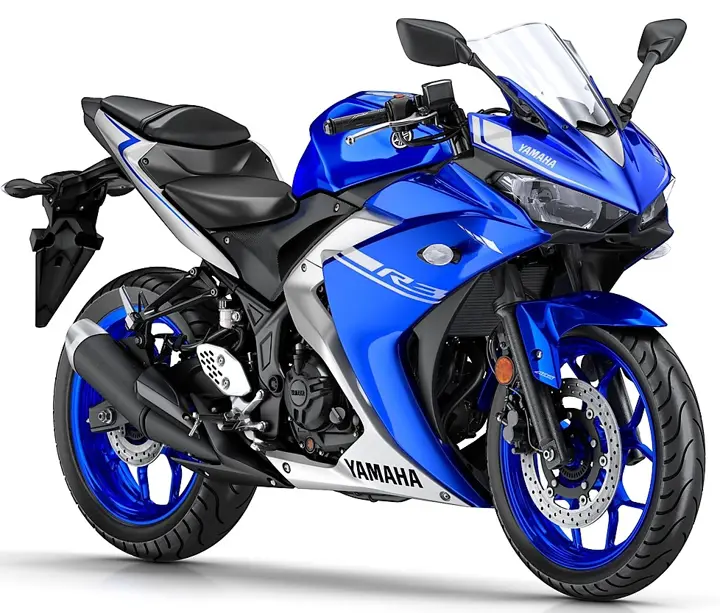 2018 Yamaha YZF-R3[/caption]
On the other hand, KTM RC 390 is available for INR 2.41 lakh. The price difference is quite massive at INR 1.08 lakh. The biggest difference among full faired, 300cc+ bikes comes between R3 and RR 310 as buyers can save INR 1.26 lakh from the ex-showroom price in Delhi.
A typical buyer in India may not consider the power difference as the ultimate point of decision as the quality of engines is very high for all these products. Apache RR 310 is the most affordable motorcycle of its kind. In comparison with Yamaha R3, an ideal buyer in Kerala will save INR 1.50 lakh from the ex-showroom price of the R3. At present, the Apache RR 310 is priced at INR 2.23 lakh in Delhi and INR 1.99 lakh in Kerala.
[caption id="attachment_284887" align="aligncenter" width="1258"]
2018 Yamaha YZF-R3[/caption]
On the other hand, KTM RC 390 is available for INR 2.41 lakh. The price difference is quite massive at INR 1.08 lakh. The biggest difference among full faired, 300cc+ bikes comes between R3 and RR 310 as buyers can save INR 1.26 lakh from the ex-showroom price in Delhi.
A typical buyer in India may not consider the power difference as the ultimate point of decision as the quality of engines is very high for all these products. Apache RR 310 is the most affordable motorcycle of its kind. In comparison with Yamaha R3, an ideal buyer in Kerala will save INR 1.50 lakh from the ex-showroom price of the R3. At present, the Apache RR 310 is priced at INR 2.23 lakh in Delhi and INR 1.99 lakh in Kerala.
[caption id="attachment_284887" align="aligncenter" width="1258"]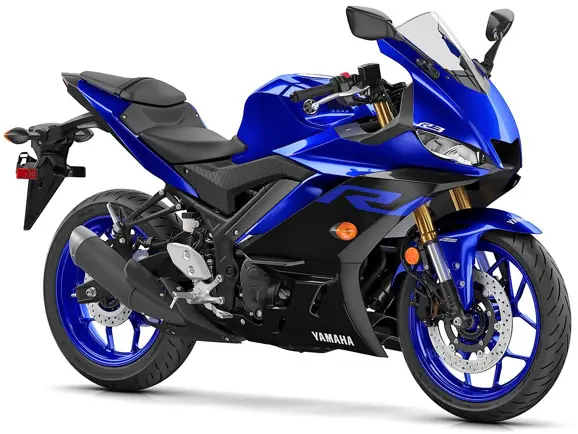 2019 Yamaha YZF-R3[/caption]
Yamaha R3 is powered by a 321cc, twin cylinder engine, producing 42 HP of power and 29.6 Nm of torque. The engine comes mated to a 6-speed gearbox. The upcoming 2019 R3 design will help Yamaha boost the sales number. However, if the pricing goes wrong this time, Kawasaki won’t offer them a second chance.
2019 Yamaha YZF-R3[/caption]
Yamaha R3 is powered by a 321cc, twin cylinder engine, producing 42 HP of power and 29.6 Nm of torque. The engine comes mated to a 6-speed gearbox. The upcoming 2019 R3 design will help Yamaha boost the sales number. However, if the pricing goes wrong this time, Kawasaki won’t offer them a second chance.
2018 Yamaha YZF-R3[/caption]
On the other hand, KTM RC 390 is available for INR 2.41 lakh. The price difference is quite massive at INR 1.08 lakh. The biggest difference among full faired, 300cc+ bikes comes between R3 and RR 310 as buyers can save INR 1.26 lakh from the ex-showroom price in Delhi.
A typical buyer in India may not consider the power difference as the ultimate point of decision as the quality of engines is very high for all these products. Apache RR 310 is the most affordable motorcycle of its kind. In comparison with Yamaha R3, an ideal buyer in Kerala will save INR 1.50 lakh from the ex-showroom price of the R3. At present, the Apache RR 310 is priced at INR 2.23 lakh in Delhi and INR 1.99 lakh in Kerala.
[caption id="attachment_284887" align="aligncenter" width="1258"] 2019 Yamaha YZF-R3[/caption]
Yamaha R3 is powered by a 321cc, twin cylinder engine, producing 42 HP of power and 29.6 Nm of torque. The engine comes mated to a 6-speed gearbox. The upcoming 2019 R3 design will help Yamaha boost the sales number. However, if the pricing goes wrong this time, Kawasaki won’t offer them a second chance.
Yamaha R3 Key Specs
- Displacement - 321 cc
- Power - 42 HP @ 10750 rpm
- Torque - 29.6 Nm @ 9000 rpm
- Number of Cylinders - 2
- Number of Gears - 6
- Seat Height - 780 mm
- Ground Clearance - 160 mm
- Kerb/Wet Weight - 173 kg
- Fuel Tank Capacity - 14 litres
- Top Speed - 188 kmph
Ad
I
Immanuel Raja is an Automotive Writer with 8 years of experience covering the Indian automotive landscape. He specializes in Electric Vehicles and Hybrid Technology, with particular expertise in battery systems, charging infrastructure, and the integration of alternative powertrains in Indian road conditions. Raja has extensively tested over 200 vehicles across various segments, from entry-level EVs to premium hybrids, developing nuanced insights into their performance on India's diverse and challenging roads. His analysis encompasses both technical specifications and practical ownership considerations that matter to Indian consumers, including charging accessibility, maintenance costs, and performance in extreme weather conditions. With a finger on the pulse of India's evolving automotive preferences, Raja delivers clear, factual assessments that help readers navigate the transition to electrified mobility in the context of India's unique market dynamics.
About the Author
Explore the story
Related news



Comments
Share your view and join the discussion.
Start with:
Earn reward points for every comment and get a chance to win ₹1,000 in our weekly lucky draw. Sign in with Google in one tap.
Start the conversation
No one has commented on this article yet. Be the first to share your view.
Want to read more automotive news?
Stay updated with the latest car launches, reviews, and industry insights.
Browse All News