
2 min read
180 views
2019 Yamaha R3 Patent Images Surface Ahead of Official Unveil
2019 Yamaha R3 is slowly turning into reality, seen for the first time through the official set of patent images that surfaced online. For those who were looking for something new and refreshing, the new R3 is definitely an eye candy. The front now features R15 V3 inspired fascia with slimmer lights...
2019 Yamaha R3 is slowly turning into reality, seen for the first time through the official set of patent images that surfaced online. For those who were looking for something new and refreshing, the new R3 is definitely an eye candy. The front now features R15 V3 inspired fascia with slimmer lights, bigger air intake, and more streamlined visor. The headlights will feature LED illumination for sure while the intake may be real or not depends upon the power output that Yamaha plans for the motorcycle. Apart from the visual differences, the front section now features USD forks instead of the telescopic.
[caption id="attachment_276583" align="aligncenter" width="945"]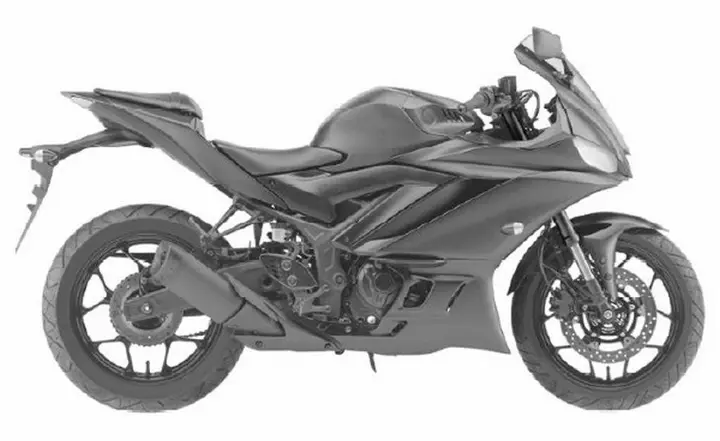 2019 Yamaha R3 Patent Images Surface Ahead of Official Unveil[/caption]
The upgrade cannot be tagged as all-new, thanks to the similar exhaust design and the rear half of the motorcycle with the current version. The facelift version, as most experts are calling the 2019 R3, is coming with R-series specific fuel tank with claw marks on each side and a different set of side fairing. The visible section from the side fairing now goes missing, leaving an impression of a single piece placed on the frame from either side. The frame is now more visible, moving parallel to the new supporting panel design. Expecting a full-digital instrument console with white illumination is absolutely correct.
2019 Yamaha R3 Patent Images Surface Ahead of Official Unveil[/caption]
The upgrade cannot be tagged as all-new, thanks to the similar exhaust design and the rear half of the motorcycle with the current version. The facelift version, as most experts are calling the 2019 R3, is coming with R-series specific fuel tank with claw marks on each side and a different set of side fairing. The visible section from the side fairing now goes missing, leaving an impression of a single piece placed on the frame from either side. The frame is now more visible, moving parallel to the new supporting panel design. Expecting a full-digital instrument console with white illumination is absolutely correct.
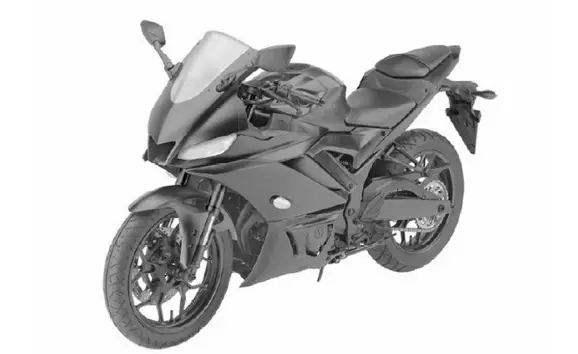 Yamaha R3 is expected to carry the same 321cc, parallel twin-cylinder engine, producing a bigger power and torque figure than the present version. The fairing is sharper, more inclined towards the R15 V3 than any other model. Some design bits on the bike are inspired by the bigger R6 variant. Yamaha R3 rivals Kawasaki Ninja 300 in India, presenting more powerful power-to-weight ratio than the Green competitor. It is also expected that Yamaha could increase localization and price it lower than the present day INR 3.49 lakh price tag. Ninja 300 currently retails for INR 2.98 lakh.
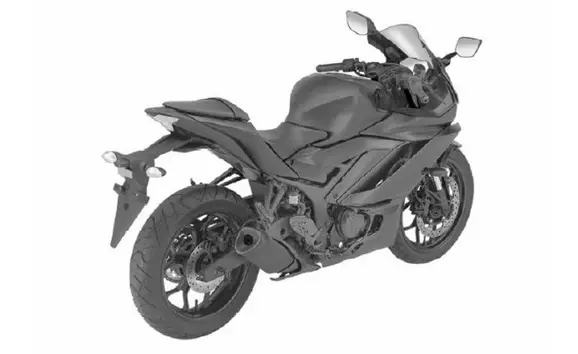
2019 Yamaha R3 Patent Images Surface Ahead of Official Unveil[/caption]
The upgrade cannot be tagged as all-new, thanks to the similar exhaust design and the rear half of the motorcycle with the current version. The facelift version, as most experts are calling the 2019 R3, is coming with R-series specific fuel tank with claw marks on each side and a different set of side fairing. The visible section from the side fairing now goes missing, leaving an impression of a single piece placed on the frame from either side. The frame is now more visible, moving parallel to the new supporting panel design. Expecting a full-digital instrument console with white illumination is absolutely correct.
Yamaha R3 is expected to carry the same 321cc, parallel twin-cylinder engine, producing a bigger power and torque figure than the present version. The fairing is sharper, more inclined towards the R15 V3 than any other model. Some design bits on the bike are inspired by the bigger R6 variant. Yamaha R3 rivals Kawasaki Ninja 300 in India, presenting more powerful power-to-weight ratio than the Green competitor. It is also expected that Yamaha could increase localization and price it lower than the present day INR 3.49 lakh price tag. Ninja 300 currently retails for INR 2.98 lakh.
Ad
I
Immanuel Raja is an Automotive Writer with 8 years of experience covering the Indian automotive landscape. He specializes in Electric Vehicles and Hybrid Technology, with particular expertise in battery systems, charging infrastructure, and the integration of alternative powertrains in Indian road conditions. Raja has extensively tested over 200 vehicles across various segments, from entry-level EVs to premium hybrids, developing nuanced insights into their performance on India's diverse and challenging roads. His analysis encompasses both technical specifications and practical ownership considerations that matter to Indian consumers, including charging accessibility, maintenance costs, and performance in extreme weather conditions. With a finger on the pulse of India's evolving automotive preferences, Raja delivers clear, factual assessments that help readers navigate the transition to electrified mobility in the context of India's unique market dynamics.
About the Author
Explore the story
Related news


Comments
Share your view and join the discussion.
Start with:
Earn reward points for every comment and get a chance to win ₹1,000 in our weekly lucky draw. Sign in with Google in one tap.
Start the conversation
No one has commented on this article yet. Be the first to share your view.
Want to read more automotive news?
Stay updated with the latest car launches, reviews, and industry insights.
Browse All News