
2 min read
286 views
2019 Yamaha FZ V3 ABS Officially Launched @ INR 95,000
Yamaha FZ V3 ABS has been launched in India for INR 95,000 (ex-showroom). The Japanese brand is using single-channel ABS for the 150cc FZ series. Technically, the FZ V3 ABS is now exactly the same as third generation FZS, leaving buyers with an option to choose from single-tone and dual-tone colours...
Yamaha FZ V3 ABS has been launched in India for INR 95,000 (ex-showroom). The Japanese brand is using single-channel ABS for the 150cc FZ series. Technically, the FZ V3 ABS is now exactly the same as third generation FZS, leaving buyers with an option to choose from single-tone and dual-tone colours. The motorcycle features front and rear disc brake, front brake ABS, all-new LED headlight and complete design overhaul. The design is inspired by the MT-series products from the side profile.
[caption id="attachment_377073" align="aligncenter" width="1056"]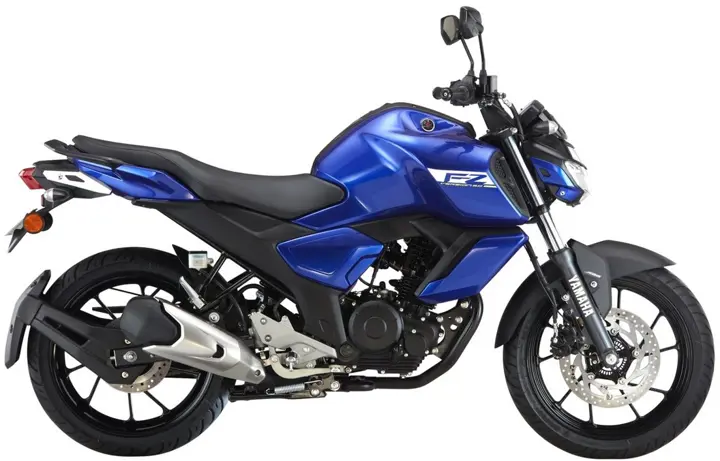 2019 Yamaha FZ V3 ABS in Racing Blue[/caption]
The motorcycle comes with one-piece aluminium grab rail, single-piece seat with 5mm of added thickness, all-new LCD meter and redesigned fuel tank extensions. The exhaust design is more like an inspiration from the unit seen on first generation FZ. Yamaha FZ V2 was priced at INR 82,000 and hike of INR 13,000 brings single-channel ABS, rear disc brake, design upgrades and all-new headlight section on the motorcycle. Yamaha FZ V3 ABS is available in just 2 single tone shades: Metric Black and Racing Blue.
[caption id="attachment_377072" align="aligncenter" width="1064"]
2019 Yamaha FZ V3 ABS in Racing Blue[/caption]
The motorcycle comes with one-piece aluminium grab rail, single-piece seat with 5mm of added thickness, all-new LCD meter and redesigned fuel tank extensions. The exhaust design is more like an inspiration from the unit seen on first generation FZ. Yamaha FZ V2 was priced at INR 82,000 and hike of INR 13,000 brings single-channel ABS, rear disc brake, design upgrades and all-new headlight section on the motorcycle. Yamaha FZ V3 ABS is available in just 2 single tone shades: Metric Black and Racing Blue.
[caption id="attachment_377072" align="aligncenter" width="1064"]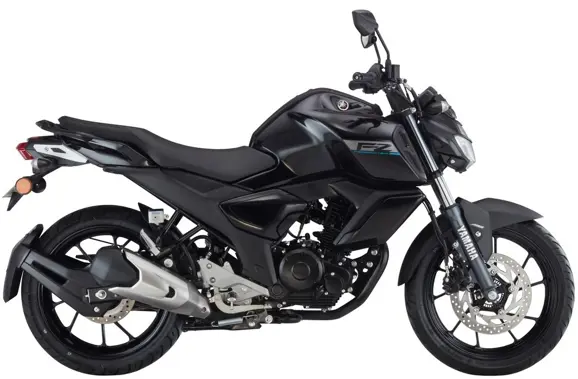 2019 Yamaha FZ V3 ABS in Metric Black[/caption]
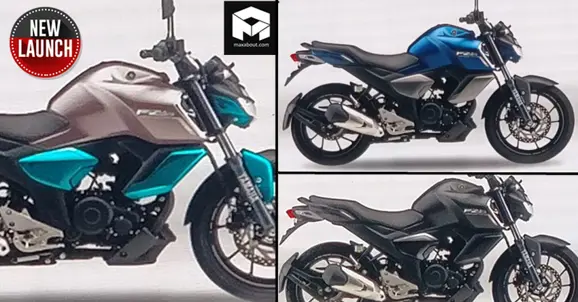 Yamaha FZS V3 ABS Officially Launched @ INR 97,000[/caption]
2019 Yamaha FZ V3 ABS in Racing Blue[/caption]
The motorcycle comes with one-piece aluminium grab rail, single-piece seat with 5mm of added thickness, all-new LCD meter and redesigned fuel tank extensions. The exhaust design is more like an inspiration from the unit seen on first generation FZ. Yamaha FZ V2 was priced at INR 82,000 and hike of INR 13,000 brings single-channel ABS, rear disc brake, design upgrades and all-new headlight section on the motorcycle. Yamaha FZ V3 ABS is available in just 2 single tone shades: Metric Black and Racing Blue.
[caption id="attachment_377072" align="aligncenter" width="1064"] 2019 Yamaha FZ V3 ABS in Metric Black[/caption]
Yamaha FZ V3 ABS Specs
- Engine Displacement: 149cc
- No. of Cylinders: Single
- Maximum Power: 13.2 HP @ 8000 rpm
- Maximum Torque: 12.8 NM @ 6000 rpm
- Fuel System: Fuel Injection
- Cooling: Air-Cooled Engine
- Gearbox: 5-Speed
- Front Brake: 282mm Single Disc
- Rear Brake: 220mm Single Disc
- Anti-Lock Braking System: 1-Channel
- Front Suspension: Telescopic Forks
- Rear Suspension: Monoshock
- Front Tyre: 100/80-17
- Rear Tyre: 140/60-R17
- Mileage: 45-50 kmpl (Approx.)
- Top Speed: 115 kmph (Approx.)
Rival Motorcycles
- Honda CB Hornet 160R
- TVS Apache RTR 160 4V
- Hero Xtreme Sports 150
- Suzuki Gixxer 155
- Bajaj Pulsar NS160
Colour Options
- Racing Blue
- Metric Black
Key Features
- All-New LED Head Light
- New All-Digital Instrument Console
- Fat Rear Tyre
- Aluminium Single Piece Grab Rail
- Single Piece 2-Level Seat
- Single Channel ABS
- All-New Side Panels with Air Vents
- New Belly Pan
- All-New Tail Light
- Sliding Engine Kill Switch
- All-New Fuel Tank Design
- 5% Thicker Seat with 16% Larger Surface
Yamaha FZS V3 ABS Officially Launched @ INR 97,000[/caption]Ad
I
Immanuel Raja is an Automotive Writer with 8 years of experience covering the Indian automotive landscape. He specializes in Electric Vehicles and Hybrid Technology, with particular expertise in battery systems, charging infrastructure, and the integration of alternative powertrains in Indian road conditions. Raja has extensively tested over 200 vehicles across various segments, from entry-level EVs to premium hybrids, developing nuanced insights into their performance on India's diverse and challenging roads. His analysis encompasses both technical specifications and practical ownership considerations that matter to Indian consumers, including charging accessibility, maintenance costs, and performance in extreme weather conditions. With a finger on the pulse of India's evolving automotive preferences, Raja delivers clear, factual assessments that help readers navigate the transition to electrified mobility in the context of India's unique market dynamics.
About the Author
Explore the story
Related news
Comments
Share your view and join the discussion.
Start with:
Earn reward points for every comment and get a chance to win ₹1,000 in our weekly lucky draw. Sign in with Google in one tap.
Start the conversation
No one has commented on this article yet. Be the first to share your view.
Want to read more automotive news?
Stay updated with the latest car launches, reviews, and industry insights.
Browse All News