
2 min read
215 views
Suzuki V-Strom 650 XT Launched in India @ INR 7.46 Lakh
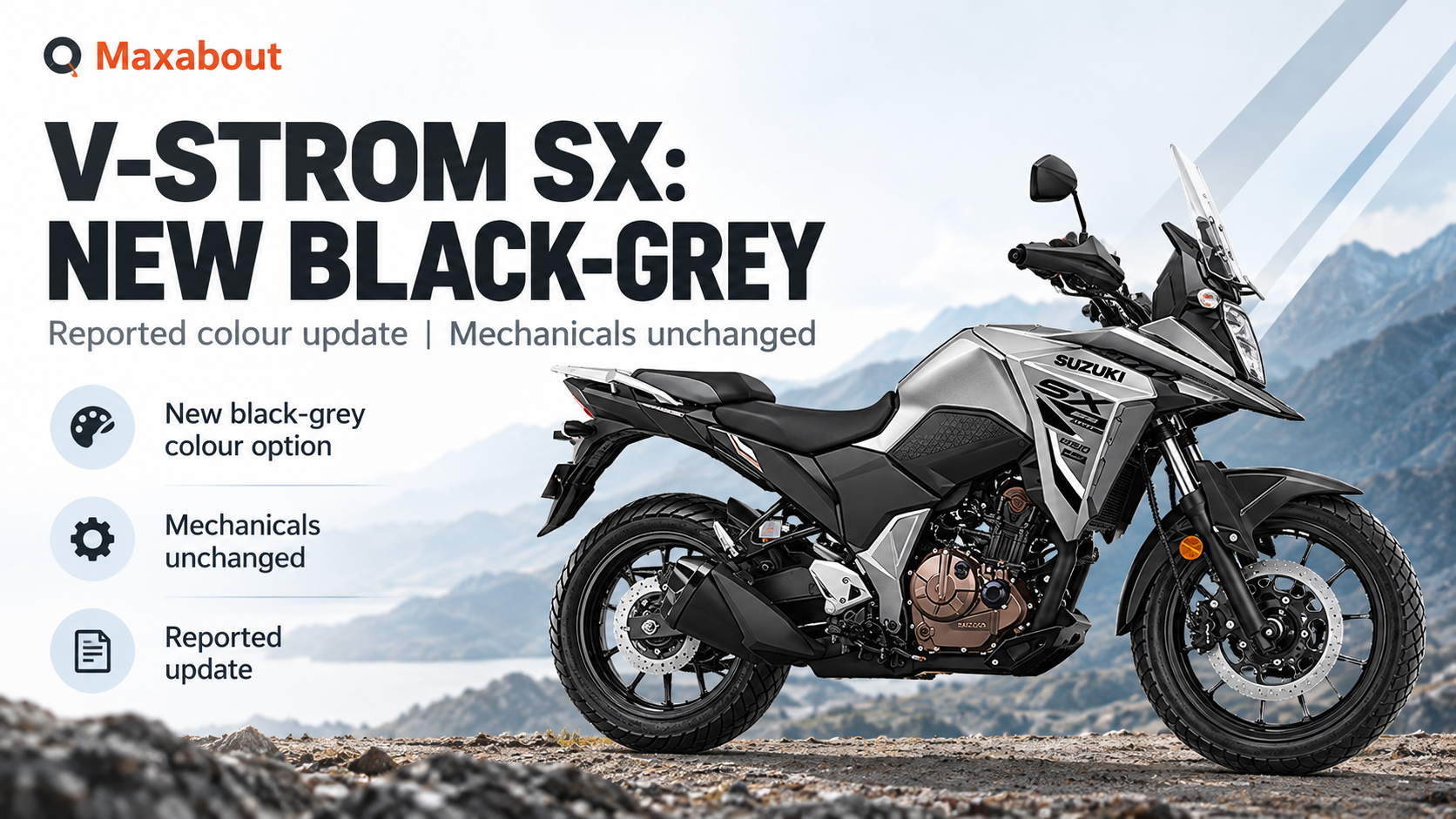
Suzuki V-Strom 650 XT has been launched in India for INR 7.46 lakh (ex-showroom). As buyers earlier had no other option than Kawasaki Versys 650 in this segment, Suzuki V-Strom 650 is here to excite customers with its exceptionally great ride quality. The bookings for this impressive middleweight mo...
Suzuki V-Strom 650 XT has been launched in India for INR 7.46 lakh (ex-showroom). As buyers earlier had no other option than Kawasaki Versys 650 in this segment, Suzuki V-Strom 650 is here to excite customers with its exceptionally great ride quality. The bookings for this impressive middleweight model were already open. It measures 2275 mm in length and carries impressive 1560mm of wheelbase. The dimensions make riding with a pillion and loads of luggage easier than ever. Suzuki V-Strom 650 weighs just 216 kg and carries 20 liters worth of fuel carrying capacity. The motorcycle has arrived through the CKD route for better pricing.
[caption id="attachment_282267" align="aligncenter" width="500"]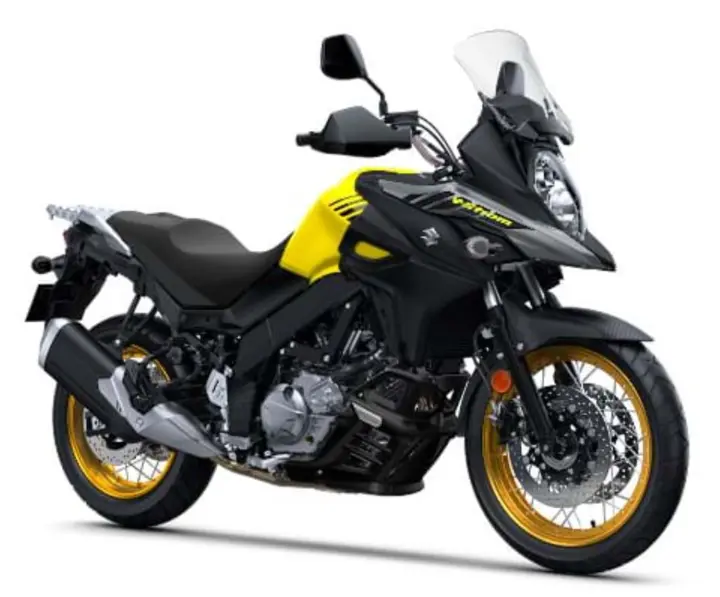 Suzuki V-Strom 650 XT Launched in India[/caption]
The 650cc, liquid cooled engine is good for 71 HP and 62 Nm, getting a twin cylinder layout and fuel injection as standard. The motorcycle rides on 110/80-19 inch front tire while the rear is relatively wide at 150/70-17. The name XT signifies more prominent off-road equipment. Kawasaki offers the Versys with alloy wheels and thus, Suzuki gets an advantage of spoke wheels when going off-road. Braking on new Suzuki V-Strom 650 is handled by 310mm twin front discs and 260mm rear disc brakes. It even comes with a high seat height.
Suzuki V-Strom 650 XT Launched in India[/caption]
The 650cc, liquid cooled engine is good for 71 HP and 62 Nm, getting a twin cylinder layout and fuel injection as standard. The motorcycle rides on 110/80-19 inch front tire while the rear is relatively wide at 150/70-17. The name XT signifies more prominent off-road equipment. Kawasaki offers the Versys with alloy wheels and thus, Suzuki gets an advantage of spoke wheels when going off-road. Braking on new Suzuki V-Strom 650 is handled by 310mm twin front discs and 260mm rear disc brakes. It even comes with a high seat height.
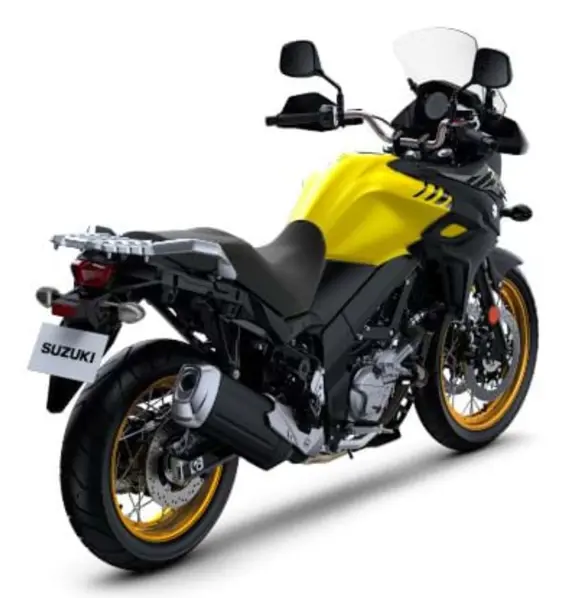 Suzuki’s primary focus is the commuter segment in India as they wish to cross the one million sales barrier before 2020. If this happens, they have promised the entry of lightweight performance motorcycles like GSX-R150 and GSX-250R. Before that, their image as a superbike manufacturer needs some highlights and V-Strom 650 does that in the best possible manner. Among Yamaha and Honda, they have the largest lineup of superbikes in India. Kawasaki stays ahead but, lacks the volume generating products like Access and Gixxer as Suzuki. Hayabusa is still their highest selling superbike with INR 13.60 lakh price tag.
Suzuki V-Strom 650 XT Launched in India[/caption]
The 650cc, liquid cooled engine is good for 71 HP and 62 Nm, getting a twin cylinder layout and fuel injection as standard. The motorcycle rides on 110/80-19 inch front tire while the rear is relatively wide at 150/70-17. The name XT signifies more prominent off-road equipment. Kawasaki offers the Versys with alloy wheels and thus, Suzuki gets an advantage of spoke wheels when going off-road. Braking on new Suzuki V-Strom 650 is handled by 310mm twin front discs and 260mm rear disc brakes. It even comes with a high seat height.
Suzuki’s primary focus is the commuter segment in India as they wish to cross the one million sales barrier before 2020. If this happens, they have promised the entry of lightweight performance motorcycles like GSX-R150 and GSX-250R. Before that, their image as a superbike manufacturer needs some highlights and V-Strom 650 does that in the best possible manner. Among Yamaha and Honda, they have the largest lineup of superbikes in India. Kawasaki stays ahead but, lacks the volume generating products like Access and Gixxer as Suzuki. Hayabusa is still their highest selling superbike with INR 13.60 lakh price tag.Ad
I
Immanuel Raja is an Automotive Writer with 8 years of experience covering the Indian automotive landscape. He specializes in Electric Vehicles and Hybrid Technology, with particular expertise in battery systems, charging infrastructure, and the integration of alternative powertrains in Indian road conditions. Raja has extensively tested over 200 vehicles across various segments, from entry-level EVs to premium hybrids, developing nuanced insights into their performance on India's diverse and challenging roads. His analysis encompasses both technical specifications and practical ownership considerations that matter to Indian consumers, including charging accessibility, maintenance costs, and performance in extreme weather conditions. With a finger on the pulse of India's evolving automotive preferences, Raja delivers clear, factual assessments that help readers navigate the transition to electrified mobility in the context of India's unique market dynamics.
About the Author
Explore the story
Related news
Comments
Share your view and join the discussion.
Start with:
Earn reward points for every comment and get a chance to win ₹1,000 in our weekly lucky draw. Sign in with Google in one tap.
Start the conversation
No one has commented on this article yet. Be the first to share your view.
Want to read more automotive news?
Stay updated with the latest car launches, reviews, and industry insights.
Browse All News