
2 min read
198 views
BS6 Kawasaki Ninja 300 Launch Delayed by Two Months
According to a recent report from IAB, the BS6 Kawasaki Ninja 300 launch has been delayed by two months. Earlier, the updated model of the sports bike was expected to launch in India by October this year. But due to the Coronavirus pandemic, the BS6-compliant model of Ninja 300 is now expected to la...
According to a recent report from IAB, the BS6 Kawasaki Ninja 300 launch has been delayed by two months. Earlier, the updated model of the sports bike was expected to launch in India by October this year. But due to the Coronavirus pandemic, the BS6-compliant model of Ninja 300 is now expected to launch in December 2020.
The brand has officially discontinued the BS4-compliant variant of its entry-level motorcycle in India while its BS6-compliant version has been recently spotted testing near the ARAI facility in Pune further confirming the speculations of an updated engine.
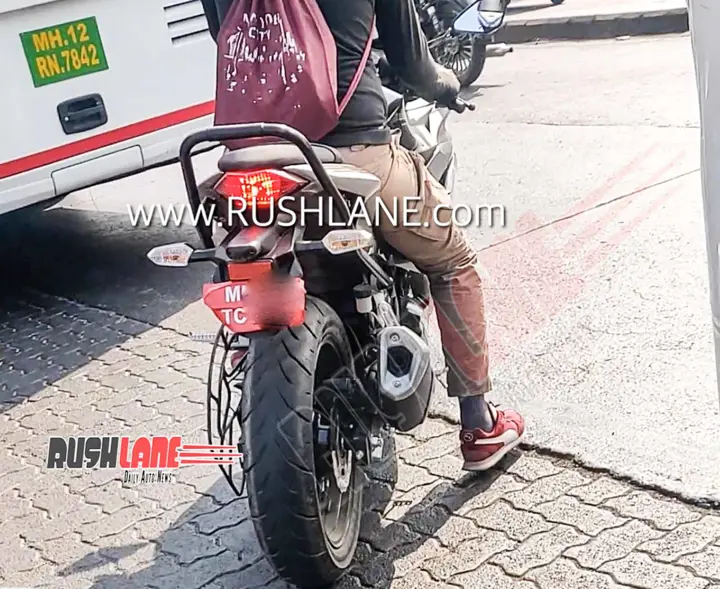 The entry-level Ninja 300 is one of the most cherished motorcycles in the Indian market which had a good run with the customers due to its splendid performance as well as an affordable price tag when compared to the Ninja 400 which has already replaced the smaller displacement Ninja 300 in certain international markets.
In terms of pricing, one can safely expect the BS6 Kawasaki Ninja 300 to get a premium of INR 10,000-INR 15,000 over the BS4-compliant variant which was available in the market at an ex-showroom price tag of INR 2.98 lakhs.
The entry-level Ninja 300 is one of the most cherished motorcycles in the Indian market which had a good run with the customers due to its splendid performance as well as an affordable price tag when compared to the Ninja 400 which has already replaced the smaller displacement Ninja 300 in certain international markets.
In terms of pricing, one can safely expect the BS6 Kawasaki Ninja 300 to get a premium of INR 10,000-INR 15,000 over the BS4-compliant variant which was available in the market at an ex-showroom price tag of INR 2.98 lakhs.
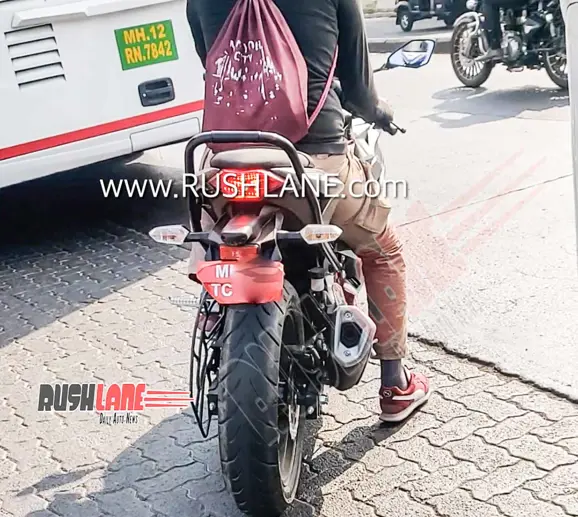 The BS4 model of Ninja 300 was powered by a 296cc, liquid-cooled, twin-cylinder engine that was capable of offering maximum power of 39HP and a peak torque of 27Nm. The engine was mated to a 6-speed transmission.
Though there has been no confirmation on the performance figures for the BS6-compliant variant of the motorcycle, one can certainly expect a minimal reduction in the power and torque values since the engine will now comply to stricter BS6 emission norms.
As Ninja 300 is equipped with an older engine, it is yet to be seen how the brand will tune it according to the new emission standards without compromising the performance.
The BS4 model of Ninja 300 was powered by a 296cc, liquid-cooled, twin-cylinder engine that was capable of offering maximum power of 39HP and a peak torque of 27Nm. The engine was mated to a 6-speed transmission.
Though there has been no confirmation on the performance figures for the BS6-compliant variant of the motorcycle, one can certainly expect a minimal reduction in the power and torque values since the engine will now comply to stricter BS6 emission norms.
As Ninja 300 is equipped with an older engine, it is yet to be seen how the brand will tune it according to the new emission standards without compromising the performance.
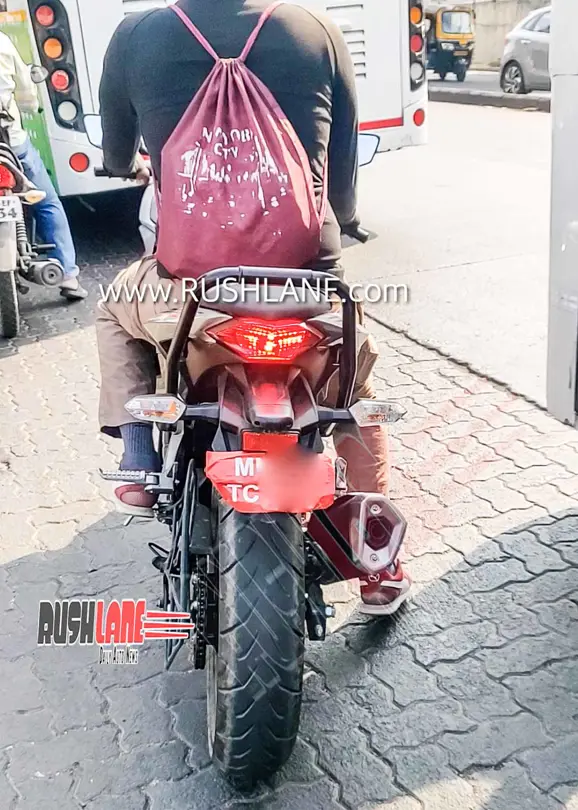 Images Source | Launch Update Source
[caption id="attachment_557170" align="aligncenter" width="850"]
Images Source | Launch Update Source
[caption id="attachment_557170" align="aligncenter" width="850"]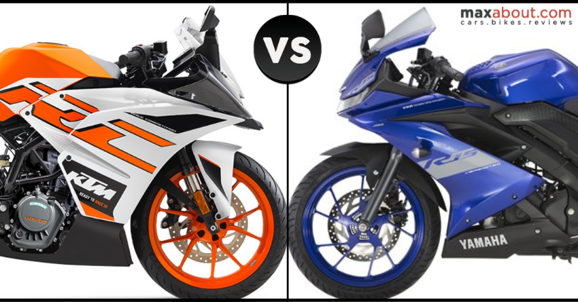 Quick Comparison: BS6 KTM RC 125 vs BS6 Yamaha R15 V3[/caption]
The entry-level Ninja 300 is one of the most cherished motorcycles in the Indian market which had a good run with the customers due to its splendid performance as well as an affordable price tag when compared to the Ninja 400 which has already replaced the smaller displacement Ninja 300 in certain international markets.
In terms of pricing, one can safely expect the BS6 Kawasaki Ninja 300 to get a premium of INR 10,000-INR 15,000 over the BS4-compliant variant which was available in the market at an ex-showroom price tag of INR 2.98 lakhs.
The BS4 model of Ninja 300 was powered by a 296cc, liquid-cooled, twin-cylinder engine that was capable of offering maximum power of 39HP and a peak torque of 27Nm. The engine was mated to a 6-speed transmission.
Though there has been no confirmation on the performance figures for the BS6-compliant variant of the motorcycle, one can certainly expect a minimal reduction in the power and torque values since the engine will now comply to stricter BS6 emission norms.
As Ninja 300 is equipped with an older engine, it is yet to be seen how the brand will tune it according to the new emission standards without compromising the performance.
Images Source | Launch Update Source
[caption id="attachment_557170" align="aligncenter" width="850"] Quick Comparison: BS6 KTM RC 125 vs BS6 Yamaha R15 V3[/caption]Ad
I
Immanuel Raja is an Automotive Writer with 8 years of experience covering the Indian automotive landscape. He specializes in Electric Vehicles and Hybrid Technology, with particular expertise in battery systems, charging infrastructure, and the integration of alternative powertrains in Indian road conditions. Raja has extensively tested over 200 vehicles across various segments, from entry-level EVs to premium hybrids, developing nuanced insights into their performance on India's diverse and challenging roads. His analysis encompasses both technical specifications and practical ownership considerations that matter to Indian consumers, including charging accessibility, maintenance costs, and performance in extreme weather conditions. With a finger on the pulse of India's evolving automotive preferences, Raja delivers clear, factual assessments that help readers navigate the transition to electrified mobility in the context of India's unique market dynamics.
About the Author
Explore the story
Related news

Comments
Share your view and join the discussion.
Start with:
Earn reward points for every comment and get a chance to win ₹1,000 in our weekly lucky draw. Sign in with Google in one tap.
Start the conversation
No one has commented on this article yet. Be the first to share your view.
Want to read more automotive news?
Stay updated with the latest car launches, reviews, and industry insights.
Browse All News