
2 min read
227 views
Vega Evo BT Handsfree Helmet Launched @ INR 2996
Vega Evo BT has been launched in India for INR 2996. The Bluetooth compatibility of the helmet makes it a truly wireless option for those who are in high need of a product that can help them attend calls while riding, without disturbing the sitting posture. The number of features include listening t...
Vega Evo BT has been launched in India for INR 2996. The Bluetooth compatibility of the helmet makes it a truly wireless option for those who are in high need of a product that can help them attend calls while riding, without disturbing the sitting posture. The number of features include listening to music and voice-assisted navigation on the new helmet. The automatic call answering feature also saves the effort that goes into pressing the button. The Steelbird SBA-1 HF was earlier called the most affordable handsfree helmet but technically, it used an AUX wire-based connectivity solution to keep the rider connected at all times.
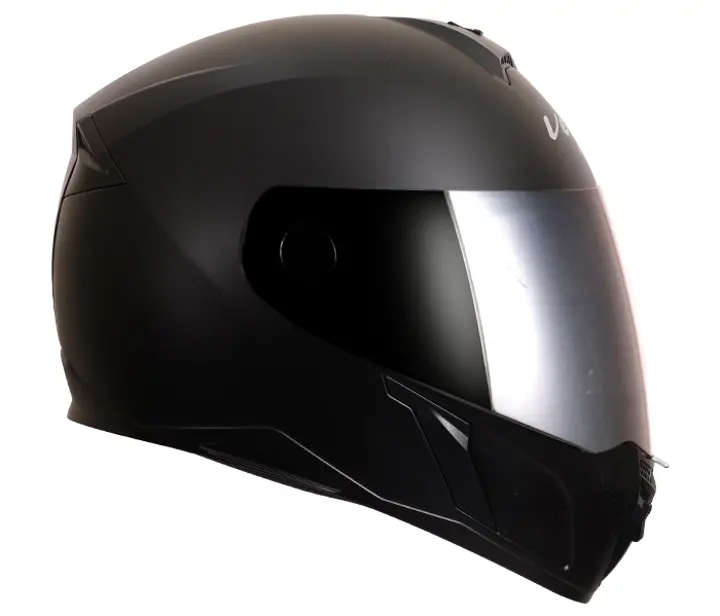 The same required no battery function while the device available inside the Vega Evo BT requires charging the unit by connecting the same to a power source. However, the brand has mentioned long working as well as standby time for the device. The Evo BT is ISI-certified and offers medium and large shell size to help different riders get the right fitting on the head. The connectivity feature not just makes it more practical than others but also, the remaining power display on the connected phone helps the rider manage the battery standby time when the Bluetooth feature is not required.
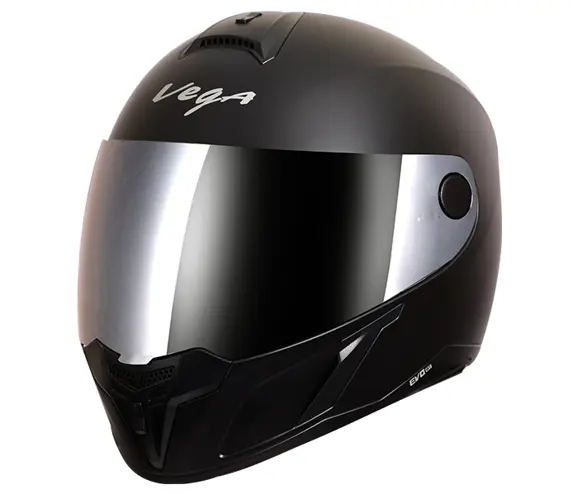 The Vega Evo BT is available in black shade only while the visor options can vary with the needs of different riders and their riding routine. The transmission of navigation directions further helps riders with a city-specific schedule to avoid traffic-packed areas and helps in saving time as well as fuel. The rivals under INR 3000 for Vega helmets are Steelbird and Studds, with both offering value for money products starting right under INR 1000. Those using independent Bluetooth devices may not feel the worth of Vega Evo BT while others who are yet to invest in one device, getting the new helmet can be equally effective and fascinating.
The same required no battery function while the device available inside the Vega Evo BT requires charging the unit by connecting the same to a power source. However, the brand has mentioned long working as well as standby time for the device. The Evo BT is ISI-certified and offers medium and large shell size to help different riders get the right fitting on the head. The connectivity feature not just makes it more practical than others but also, the remaining power display on the connected phone helps the rider manage the battery standby time when the Bluetooth feature is not required.
The Vega Evo BT is available in black shade only while the visor options can vary with the needs of different riders and their riding routine. The transmission of navigation directions further helps riders with a city-specific schedule to avoid traffic-packed areas and helps in saving time as well as fuel. The rivals under INR 3000 for Vega helmets are Steelbird and Studds, with both offering value for money products starting right under INR 1000. Those using independent Bluetooth devices may not feel the worth of Vega Evo BT while others who are yet to invest in one device, getting the new helmet can be equally effective and fascinating.
Vega Evo BT Features
- Listen to Music, Manage Calls
- GPS Integrated with Bluetooth Technology
- High Definition Speakers
- Hands-Free Function
- Built-in Rechargeable Li-ion Battery with a Long Stand-by and Working Time
- CSR Bluetooth Chip (4.1)
- Supports Power Display on Most of the Leading Smartphones
Ad
I
Immanuel Raja is an Automotive Writer with 8 years of experience covering the Indian automotive landscape. He specializes in Electric Vehicles and Hybrid Technology, with particular expertise in battery systems, charging infrastructure, and the integration of alternative powertrains in Indian road conditions. Raja has extensively tested over 200 vehicles across various segments, from entry-level EVs to premium hybrids, developing nuanced insights into their performance on India's diverse and challenging roads. His analysis encompasses both technical specifications and practical ownership considerations that matter to Indian consumers, including charging accessibility, maintenance costs, and performance in extreme weather conditions. With a finger on the pulse of India's evolving automotive preferences, Raja delivers clear, factual assessments that help readers navigate the transition to electrified mobility in the context of India's unique market dynamics.
About the Author
Explore the story
Related news
Comments
Share your view and join the discussion.
Start with:
Earn reward points for every comment and get a chance to win ₹1,000 in our weekly lucky draw. Sign in with Google in one tap.
Start the conversation
No one has commented on this article yet. Be the first to share your view.
Want to read more automotive news?
Stay updated with the latest car launches, reviews, and industry insights.
Browse All News