
2 min read
230 views
Bajaj Pulsar 135 Discontinued in India, Removed from the Official Website
Bajaj Pulsar 135 Discontinued in India: Pulsar 135LS has been discontinued and removed from the official website of Bajaj Auto. This move comes after a long struggle of Pulsar 135 to survive among lower priced 150cc models and exceptionally trust-able 125cc motorcycles of India. It was the most a...
Bajaj Pulsar 135 Discontinued in India: Pulsar 135LS has been discontinued and removed from the official website of Bajaj Auto. This move comes after a long struggle of Pulsar 135 to survive among lower priced 150cc models and exceptionally trust-able 125cc motorcycles of India.
It was the most affordable Pulsar at INR 62,144 and brought a term lightweight sport to Indian sportbike fans. The design and engine size was clearly inspired from Bajaj XCD 135 and thus, felt dated in front of non sporty bikes like Honda Shine SP. The range now starts from Pulsar 150 and that too is preparing for an update with rear disc.
[caption id="attachment_203802" align="aligncenter" width="480"]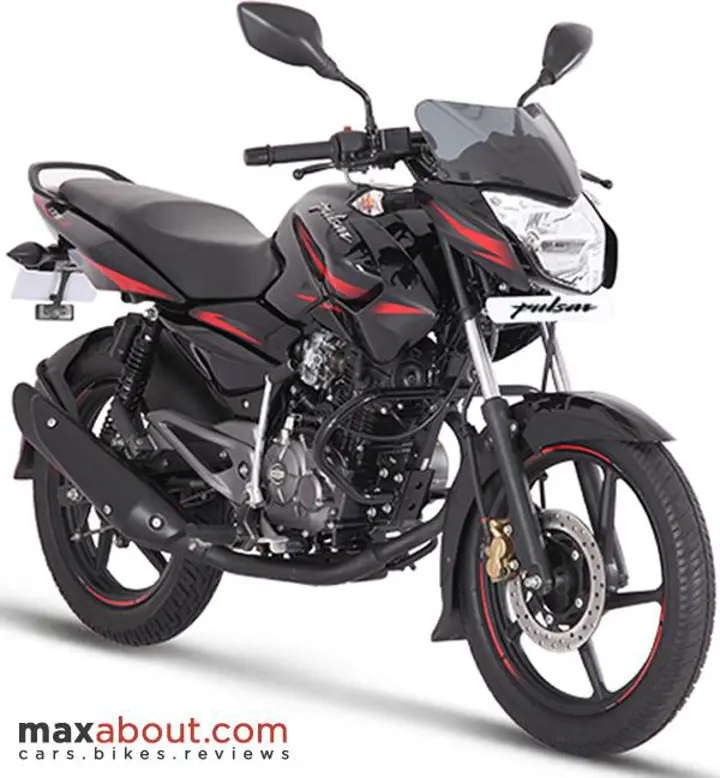 Bajaj Pulsar 135 Discontinued in India[/caption]
Not just that, they will now offer almost every possible feature on Pulsar 150 that was earlier specific to Pulsar 180. Talking about Pulsar 135 LS, it was just 121 kg in weight and claimed 13.3 BHP of maximum power. That made it almost more powerful than Yamaha FZ and also 11 kg lighter in comparison.
Engine came with a 5-speed gearbox and offered 11.4 Nm of decent torque for a bike of its size. Claimed top speed was 110 kmph while on-road price was typically lower than a bike that could cross 100 kmph barrier in the Indian market. Mileage of Pulsar 135 was comparable to 125cc bikes.
[caption id="attachment_203803" align="aligncenter" width="480"]
Bajaj Pulsar 135 Discontinued in India[/caption]
Not just that, they will now offer almost every possible feature on Pulsar 150 that was earlier specific to Pulsar 180. Talking about Pulsar 135 LS, it was just 121 kg in weight and claimed 13.3 BHP of maximum power. That made it almost more powerful than Yamaha FZ and also 11 kg lighter in comparison.
Engine came with a 5-speed gearbox and offered 11.4 Nm of decent torque for a bike of its size. Claimed top speed was 110 kmph while on-road price was typically lower than a bike that could cross 100 kmph barrier in the Indian market. Mileage of Pulsar 135 was comparable to 125cc bikes.
[caption id="attachment_203803" align="aligncenter" width="480"]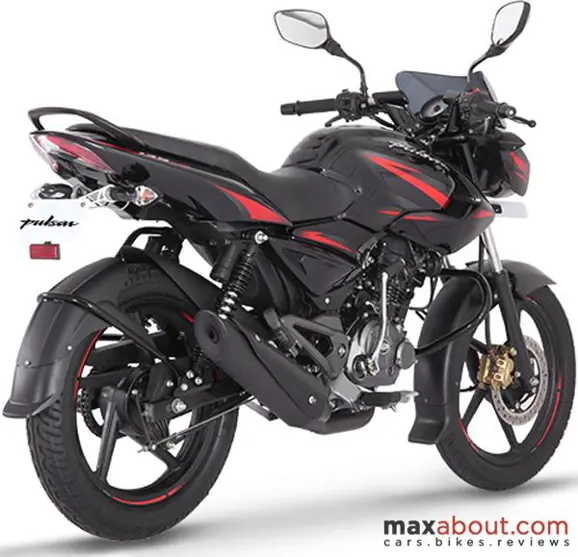 Bajaj Pulsar 135 Removed from the Official Website[/caption]
Bajaj Pulsar 135 Discontinued in India[/caption]
Not just that, they will now offer almost every possible feature on Pulsar 150 that was earlier specific to Pulsar 180. Talking about Pulsar 135 LS, it was just 121 kg in weight and claimed 13.3 BHP of maximum power. That made it almost more powerful than Yamaha FZ and also 11 kg lighter in comparison.
Engine came with a 5-speed gearbox and offered 11.4 Nm of decent torque for a bike of its size. Claimed top speed was 110 kmph while on-road price was typically lower than a bike that could cross 100 kmph barrier in the Indian market. Mileage of Pulsar 135 was comparable to 125cc bikes.
[caption id="attachment_203803" align="aligncenter" width="480"] Bajaj Pulsar 135 Removed from the Official Website[/caption]
Pulsar 135 Specifications
| Engine Description | 134.6cc, 4-stroke, DTS-i, air cooled. 4-valve single cylinder, BSIV |
| Cooling | Air Cooling |
| Displacement | 134.66 cc |
| No. of Cylinders | 1 |
| Maximum Power | 13.3 Bhp @ 9000 rpm |
| Maximum Torque | 11.4 Nm @ 7500 rpm |
| Emission Standard | BSIV |
| Overall Length | 1995 mm |
| Overall Width | 765 mm |
| Overall Height | 1045 mm |
| Ground Clearance | 165 mm |
| Seat Height | 800 mm |
| Wheelbase | 1325 mm |
| Kerb/Wet Weight | 121 kg |
| Fuel Tank Capacity | 8 litres |
| Front Brake | 240 mm Disc |
| Rear Brake | 130 mm Drum |
| Front Suspension | Telescopic, with anti-friction bush |
| Rear Suspension | 5 way adjustable, Nitrox shock absorber |
| Wheel Size | 2.75 x 17", 100/90 x 17" |
| Wheel Type | 6 Spoke Alloys |
Ad
I
Immanuel Raja is an Automotive Writer with 8 years of experience covering the Indian automotive landscape. He specializes in Electric Vehicles and Hybrid Technology, with particular expertise in battery systems, charging infrastructure, and the integration of alternative powertrains in Indian road conditions. Raja has extensively tested over 200 vehicles across various segments, from entry-level EVs to premium hybrids, developing nuanced insights into their performance on India's diverse and challenging roads. His analysis encompasses both technical specifications and practical ownership considerations that matter to Indian consumers, including charging accessibility, maintenance costs, and performance in extreme weather conditions. With a finger on the pulse of India's evolving automotive preferences, Raja delivers clear, factual assessments that help readers navigate the transition to electrified mobility in the context of India's unique market dynamics.
About the Author
Explore the story
Related news
Comments
Share your view and join the discussion.
Start with:
Earn reward points for every comment and get a chance to win ₹1,000 in our weekly lucky draw. Sign in with Google in one tap.
Start the conversation
No one has commented on this article yet. Be the first to share your view.
Want to read more automotive news?
Stay updated with the latest car launches, reviews, and industry insights.
Browse All News