
2 min read
155 views
Bajaj Avenger 160 Street Price Leaked Ahead of Launch in India
A recent report in the automotive industry has claimed that Bajaj Avenger 160 Street ABS will be priced at INR 81,036 (ex-showroom Pune). The much-lower price tag in comparison to the Avenger 220 will help the motorcycle establish its own league of buyers in a short period of time for sure. Buyer...
A recent report in the automotive industry has claimed that Bajaj Avenger 160 Street ABS will be priced at INR 81,036 (ex-showroom Pune). The much-lower price tag in comparison to the Avenger 220 will help the motorcycle establish its own league of buyers in a short period of time for sure.
Buyers can save around INR 25,000 from the on-road price if they plan to keep the profile low and get the 160cc variant in place of the bigger 220cc cruiser. The motorcycle is expected to arrive at the dealerships in the first week of May, also hinting that the brand will update the official price list and website with ABS models.
The current generation Bajaj lineup will stay more or less similar until the arrival of 2020, with major changes expected around the first quarter of the next year when BS6-friendly bikes will be allowed for sale and all others will be discontinued from the lineup.
[caption id="attachment_501090" align="aligncenter" width="647"]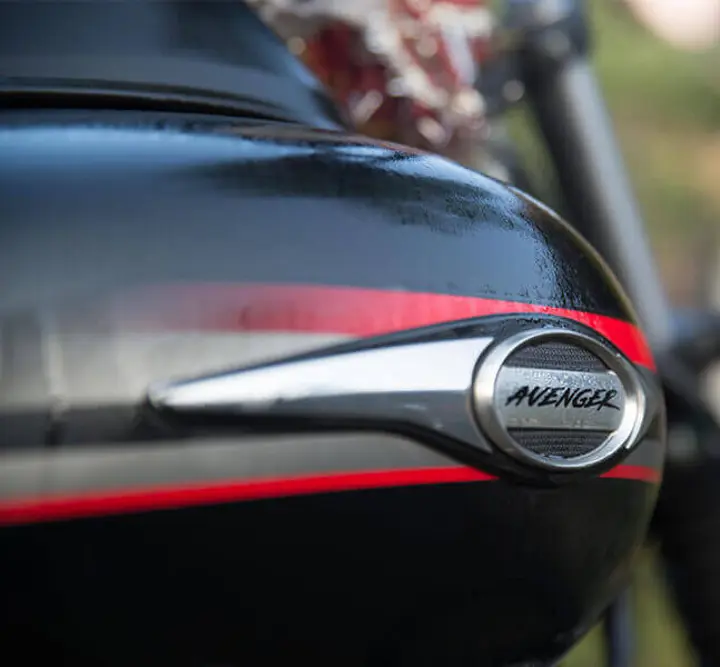 Bajaj Avenger 160 Street Price Leaked Ahead of Launch in India[/caption]
Bajaj Avenger 160 Street ABS is using the familiar engine from NS160, expected to be the next big thing for Bajaj Auto once they plan to limit the number of engines that will get to see the light of BS6-compliant India. The drop in the price is INR 7,000 (approx.) from the 180cc Avenger, that too after getting the ABS, making the deal unbelievable for cruiser motorcycle fans.
The new 160.3cc engine is good for 15.5 HP at 8500 rpm and 14.6 Nm at 6500 rpm. It produces more torque in comparison to the 180cc engine and power value is similar to the older engine, clearing that there is no direct benefit of keeping the 180cc engine alive after the BS6 upgrade.
Bajaj Auto currently has 150cc, 160cc, 180cc, 200cc, and 220cc engine options before the mighty 373cc motor of the Dominar. Taking all of them to the BS6 level may not be possible as price hikes will make many of them non-feasible for regular motorcycle buyers of India. The DTS-i series may get replaced by the other options.
Source
Bajaj Avenger 160 Street Price Leaked Ahead of Launch in India[/caption]
Bajaj Avenger 160 Street ABS is using the familiar engine from NS160, expected to be the next big thing for Bajaj Auto once they plan to limit the number of engines that will get to see the light of BS6-compliant India. The drop in the price is INR 7,000 (approx.) from the 180cc Avenger, that too after getting the ABS, making the deal unbelievable for cruiser motorcycle fans.
The new 160.3cc engine is good for 15.5 HP at 8500 rpm and 14.6 Nm at 6500 rpm. It produces more torque in comparison to the 180cc engine and power value is similar to the older engine, clearing that there is no direct benefit of keeping the 180cc engine alive after the BS6 upgrade.
Bajaj Auto currently has 150cc, 160cc, 180cc, 200cc, and 220cc engine options before the mighty 373cc motor of the Dominar. Taking all of them to the BS6 level may not be possible as price hikes will make many of them non-feasible for regular motorcycle buyers of India. The DTS-i series may get replaced by the other options.
Source
Bajaj Avenger 160 Street Price Leaked Ahead of Launch in India[/caption]
Bajaj Avenger 160 Street ABS is using the familiar engine from NS160, expected to be the next big thing for Bajaj Auto once they plan to limit the number of engines that will get to see the light of BS6-compliant India. The drop in the price is INR 7,000 (approx.) from the 180cc Avenger, that too after getting the ABS, making the deal unbelievable for cruiser motorcycle fans.
The new 160.3cc engine is good for 15.5 HP at 8500 rpm and 14.6 Nm at 6500 rpm. It produces more torque in comparison to the 180cc engine and power value is similar to the older engine, clearing that there is no direct benefit of keeping the 180cc engine alive after the BS6 upgrade.
Bajaj Auto currently has 150cc, 160cc, 180cc, 200cc, and 220cc engine options before the mighty 373cc motor of the Dominar. Taking all of them to the BS6 level may not be possible as price hikes will make many of them non-feasible for regular motorcycle buyers of India. The DTS-i series may get replaced by the other options.
SourceAd
I
Immanuel Raja is an Automotive Writer with 8 years of experience covering the Indian automotive landscape. He specializes in Electric Vehicles and Hybrid Technology, with particular expertise in battery systems, charging infrastructure, and the integration of alternative powertrains in Indian road conditions. Raja has extensively tested over 200 vehicles across various segments, from entry-level EVs to premium hybrids, developing nuanced insights into their performance on India's diverse and challenging roads. His analysis encompasses both technical specifications and practical ownership considerations that matter to Indian consumers, including charging accessibility, maintenance costs, and performance in extreme weather conditions. With a finger on the pulse of India's evolving automotive preferences, Raja delivers clear, factual assessments that help readers navigate the transition to electrified mobility in the context of India's unique market dynamics.
About the Author
Explore the story
Related news

Comments
Share your view and join the discussion.
Start with:
Earn reward points for every comment and get a chance to win ₹1,000 in our weekly lucky draw. Sign in with Google in one tap.
Start the conversation
No one has commented on this article yet. Be the first to share your view.
Want to read more automotive news?
Stay updated with the latest car launches, reviews, and industry insights.
Browse All News