
Bajaj Pulsar N160 Review: Price, Specs & Top Features 2025
Bajaj Adds Single-Seat Swagger to the Pulsar N160Bajaj just made the Pulsar N160 even more appealing for solo riders and track-day enthusiasts. The new single-seat variant with USD forks launched at Rs 1.24 lakh (ex-showroom), and honestly, it's about time. Single-seat motorcycles have that undeniab...
By Hitesh Jain
Automotive Writer
Bajaj Adds Single-Seat Swagger to the Pulsar N160
Bajaj just made the Pulsar N160 even more appealing for solo riders and track-day enthusiasts. The new single-seat variant with USD forks launched at Rs 1.24 lakh (ex-showroom), and honestly, it's about time. Single-seat motorcycles have that undeniable race-bike aesthetic that turns heads, and Bajaj knows this.
I've always appreciated how Bajaj listens to what riders actually want. The Pulsar lineup has been the backbone of Indian motorcycling for over two decades, and this latest addition shows they're not resting on their laurels. The single-seat configuration isn't just about looks – it changes the entire character of the bike.
What makes this launch particularly interesting is the pricing strategy. At Rs 1.24 lakh, you're getting USD forks and that aggressive single-seat setup without having to shell out premium segment money. That's the sweet spot many riders have been waiting for.
What's New in the Single-Seat Variant
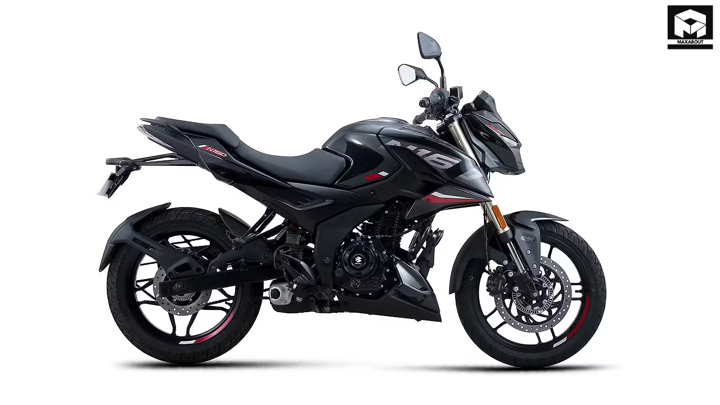
The USD Fork Advantage
Let's talk about those upside-down forks first. USD forks aren't just for show – they genuinely improve the riding experience. The unsprung mass shifts upward, which typically translates to better handling and more precise feedback from the front end. When you're carving through corners or hitting bumpy roads, you'll notice the difference.
Many riders report that USD forks provide a planted feel, especially during hard braking. The added rigidity means less flex under aggressive riding conditions. For the price point, this is a significant upgrade that usually appears on bikes costing considerably more.
Single-Seat Configuration
The single-seat setup comes with a cowl covering the pillion section. This isn't just cosmetic – it actually serves multiple purposes:
- Reduces overall weight by eliminating the pillion seat and footpegs
- Improves aerodynamics with a cleaner tail section
- Creates that aggressive, race-inspired stance
- Gives you a grab rail that's actually usable for securing luggage
Now, I get it – not everyone wants a single-seater as their only bike. But for many enthusiasts, this becomes the perfect weekend machine or a track-day special. The cowl typically comes off if you ever need to carry a passenger, though I'd recommend checking with your dealer about whether Bajaj includes the dual-seat option as an accessory.
Pricing and Positioning
At Rs 1.24 lakh ex-showroom, the single-seat Pulsar N160 sits slightly above the standard dual-seat variant. Here's how the pricing generally stacks up:
- Standard Pulsar N160 (dual-seat): Approximately Rs 1.19-1.21 lakh
- Single-Seat N160 with USD: Rs 1.24 lakh
- Premium for single-seat variant: Around Rs 3,000-5,000
That price difference is negligible considering you're getting USD forks and the enhanced styling package. It's actually remarkable value when you consider that competitors often charge significantly more for similar upgrades.
Who Should Consider This Variant
This bike makes sense for specific rider profiles:
- Solo commuters who rarely carry passengers
- Enthusiasts wanting track-day capabilities on a budget
- Riders prioritizing aggressive aesthetics
- Those upgrading from smaller displacement bikes
- Anyone seeking better front-end feel and handling
Four Colours to Choose From
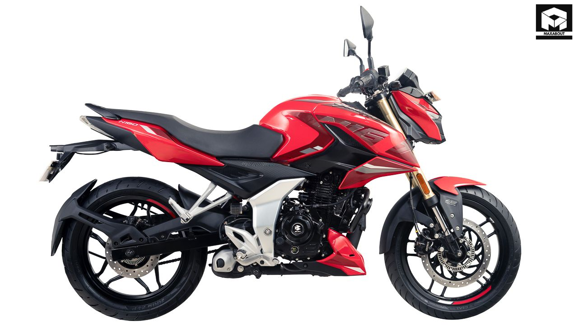
Bajaj is offering the single-seat N160 in four colour options. While manufacturers often reserve the best colours for premium variants, the N160 gets a solid palette that caters to different tastes:
- Racing Red: The classic sportbike colour that never goes out of style
- Techno Grey: A sophisticated option for those who prefer understated elegance
- Fiery Yellow: High visibility and aggressive – you'll definitely get noticed
- Brooklyn Blue: A unique shade that stands out from the typical red-black-white combo
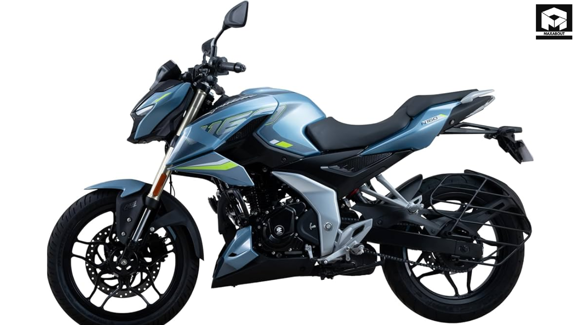
From what I've observed in the market, colour choice genuinely affects resale value and personal satisfaction with your bike. The good news is that all four options feature quality paint finish and graphics that complement the aggressive styling.
Technical Specifications That Matter
Engine and Performance
The single-seat variant carries over the same proven engine from the standard N160:
- Displacement: 164.82cc single-cylinder, oil-cooled
- Power Output: Around 15.68 PS at 8,750 rpm
- Torque: Approximately 14.65 Nm at 6,750 rpm
- Transmission: 5-speed gearbox
This engine has earned a reputation for reliability and adequate performance for daily riding. It's not going to set lap records, but it delivers punchy mid-range torque that makes city riding enjoyable and highway cruising comfortable.
Chassis and Suspension
Here's where things get interesting. The USD forks up front represent a significant upgrade:
- Front Suspension: USD telescopic forks
- Rear Suspension: Monoshock with preload adjustment
- Front Brake: 300mm disc with single-channel ABS
- Rear Brake: 230mm disc
- Tyres: 100/80-17 front, 130/70-17 rear
The combination of USD forks and monoshock typically provides a balanced ride quality. You get better damping characteristics compared to conventional telescopic forks, which means improved comfort over broken roads and better control during spirited riding.
How It Compares to Rivals
In the 160cc segment with USD forks, the competition is actually quite limited at this price point. Most alternatives either lack the USD setup or cost significantly more. Here's the competitive landscape:
TVS Apache RTR 160 4V
The Apache RTR 160 4V comes with conventional telescopic forks in most variants. TVS does offer a special edition with USD forks, but the pricing typically exceeds the Pulsar N160's tag. The Apache has a slight edge in outright performance and features like slipper clutch, but the Pulsar counters with better low-end grunt and more relaxed ergonomics.
Suzuki Gixxer
The Gixxer competes primarily on refinement and fuel efficiency. It sticks with conventional forks across the range and generally positions itself as a more practical, everyday option rather than a sporty statement. Price-wise, they're comparable, but the Pulsar N160 single-seat offers more visual drama.
Yamaha FZ-X
Yamaha's FZ-X takes a different approach with neo-retro styling. It's more about quirky aesthetics than outright sportiness. The FZ-X lacks USD forks and the aggressive stance of the Pulsar N160. Different bikes for different personas, really.
Real-World Ownership Considerations
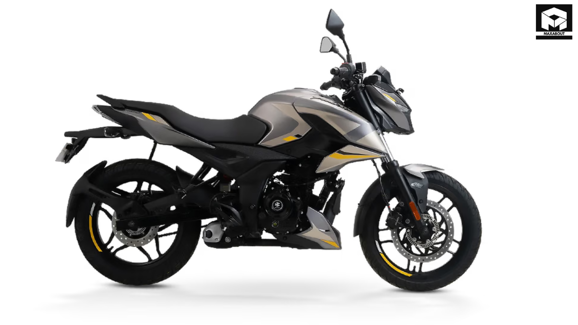
Practical Daily Use
Let's be honest about what single-seat ownership means day-to-day. You're sacrificing pillion-carrying capability for aesthetics and a marginal weight reduction. If you frequently carry passengers, this variant requires a reality check. However, for solo commuters, it's essentially all upside.
The raised seat cowl often provides a natural backrest when you're sitting back during highway cruising. Many riders actually find this more comfortable than standard seats on long rides. Plus, the grab rail integrated into the cowl works brilliantly for securing a tail bag or small luggage.
Maintenance and Running Costs
Bajaj has built a reputation for accessible maintenance costs, and the N160 continues that tradition. The oil-cooled engine requires less complex servicing compared to liquid-cooled alternatives. USD forks might sound exotic, but they don't significantly increase maintenance costs unless you're doing track days regularly.
Service intervals typically run at 6,000 km or 6 months. Parts availability is excellent across India, which matters more than people realize. When you need a repair, waiting weeks for components gets old fast. With Pulsar's extensive service network, that's rarely an issue.
Fuel Efficiency Expectations
Realistically, you can expect mileage figures in the range of 45-50 km/l under mixed riding conditions. City-heavy usage might see that drop to 40-45 km/l, while careful highway riding could push it beyond 50 km/l. The single-seat configuration's marginal weight reduction might offer a tiny efficiency advantage, but we're talking minimal differences here.
Who This Bike Really Suits
After considering all factors, the single-seat Pulsar N160 hits a specific sweet spot. It's ideal for:
The Urban Enthusiast
If you're commuting solo most days and want something that looks sharp in office parking lots, this fits perfectly. The aggressive styling makes a statement without the complexity of higher-displacement machines. You get enough performance for confident overtaking and highway merges, but not so much that it becomes unwieldy in traffic.
The Weekend Warrior
Many riders are picking up smaller displacement bikes as second machines for canyon runs or track days. The N160 single-seat offers that sporty vibe and improved handling characteristics without the running costs of a 300cc-plus machine. It's light enough to flick around easily and forgiving enough that you can focus on improving your skills.
The First-Time Performance Buyer
Stepping up from a basic commuter to something with personality? The Pulsar N160 provides enough excitement to feel like a genuine upgrade while remaining approachable. The power delivery is linear and predictable, which builds confidence rather than intimidating newer riders.
Frequently Asked Questions
Can I convert the single-seat back to dual-seat configuration?
Yes, typically you can purchase the dual-seat assembly as an accessory from Bajaj dealers. The mounting points remain the same. However, confirm availability and pricing with your local dealer, as this varies by location. The conversion is straightforward and doesn't require specialized tools.
Are USD forks more expensive to maintain?
Not significantly. USD forks use similar seals and oil as conventional forks. The main difference comes if you damage them – replacement costs are higher due to the more complex construction. For regular maintenance during service intervals, the cost difference is negligible.
How does the single-seat affect resale value?
This is market-dependent. In enthusiast circles, single-seat motorcycles often hold value well because they're perceived as premium variants. However, the broader used bike market sometimes prefers dual-seat practicality. If you maintain the bike well and keep the original seat as an option, you're hedging your bets.
What's the ground clearance with the single-seat variant?
Ground clearance remains similar to the standard model at approximately 165mm. This is adequate for Indian road conditions, though you'll need to be mindful over severe speed breakers, especially with a pillion or luggage.
Is the ABS single-channel or dual-channel?
The Pulsar N160 comes with single-channel ABS, which operates on the front wheel. This keeps costs down while providing the most critical safety benefit. In practice, single-channel ABS works well for experienced riders who understand rear brake modulation.
Final Thoughts on the Pulsar N160 Single-Seat
Bajaj's decision to launch the single-seat Pulsar N160 with USD forks at Rs 1.24 lakh makes complete sense. They've identified a gap in the market – riders wanting sporty aesthetics and improved handling without jumping to the 200cc-plus segment with its higher costs and insurance premiums.
The pricing is spot-on competitive. You're getting tangible hardware upgrades and styling enhancements for a modest premium over the standard variant. That's value that's hard to argue with.
Is it for everyone? Absolutely not. If you regularly carry passengers or prioritize maximum practicality, the standard dual-seat version makes more sense. But for solo riders, enthusiasts, and anyone drawn to that aggressive sportbike aesthetic, the single-seat N160 delivers the goods.
The four colour options ensure there's something for different tastes, from the bold Fiery Yellow to the sophisticated Techno Grey. Whichever you choose, you're getting a bike that punches above its price point in terms of features and road presence.
In the broader context of the 160cc segment, this launch reinforces Bajaj's commitment to offering variety within their lineup. Rather than forcing everyone into a one-size-fits-all solution, they're acknowledging that riders have different priorities and preferences. That's the kind of market understanding that's kept Pulsar relevant for over 20 years.
If you're in the market for
Explore the story
Related news
Share your view and join the discussion.
Earn reward points for every comment and get a chance to win ₹1,000 in our weekly lucky draw. Sign in with Google in one tap.
Start the conversation
No one has commented on this article yet. Be the first to share your view.
Want to read more automotive news?
Stay updated with the latest car launches, reviews, and industry insights.
Browse All News