
2026 Toyota Hilux Lineup Revealed – From Petrol to Hydrogen
IntroductionThe Toyota Hilux has earned its legendary status through decades of proven reliability and toughness. Having analyzed the automotive market for years, I can confidently say that the upcoming 2026 model represents the most ambitious overhaul in the vehicle's storied history. Toyota is pre...
Automotive Journalist
Introduction
The Toyota Hilux has earned its legendary status through decades of proven reliability and toughness. Having analyzed the automotive market for years, I can confidently say that the upcoming 2026 model represents the most ambitious overhaul in the vehicle's storied history. Toyota is preparing to launch the next-generation Hilux with an unprecedented five different powertrain options: traditional petrol and diesel engines, plus new hybrid, fully electric, and hydrogen fuel cell variants.
This diversification strategy aligns with what we're seeing across the industry as manufacturers respond to tightening emissions regulations and shifting consumer preferences. The 2026 Hilux lineup appears designed to maintain Toyota's dominance in the global pickup market while future-proofing the model for the coming decades.
Traditional Powertrain Options: Petrol and Diesel
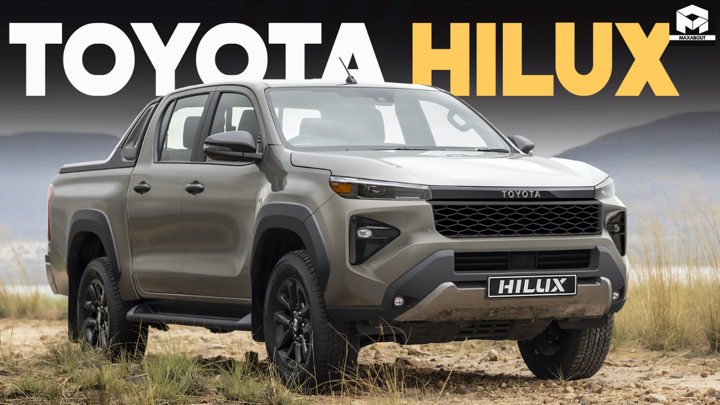
According to industry reports, Toyota isn't abandoning the conventional engines that have made the Hilux famous. The 2026 model will continue offering both petrol and diesel options with significant updates.
Updated Petrol Engines
The petrol lineup is expected to feature Toyota's newer, more efficient engines with improved performance figures. Based on the technical specifications that have been released, we can expect:
- A 2.7-liter four-cylinder base engine with approximately 170 horsepower
- An optional 3.5-liter V6 producing around 280 horsepower
- Both engines featuring improved fuel economy through updated direct injection technology
- Enhanced torque delivery at lower RPMs for better off-road capability
These engines will likely be paired with Toyota's newer 8-speed automatic transmission, which should improve both acceleration and fuel economy compared to the current model.
Next-Generation Diesel Options
Diesel engines have always been the backbone of the Hilux range, particularly in markets outside North America. The 2026 model is reported to feature:
- A revised 2.4-liter turbodiesel with approximately 200 horsepower
- A more powerful 2.8-liter turbodiesel producing around 230 horsepower
- Both engines featuring improved emissions control systems to meet stricter regulations
- Enhanced torque figures expected to exceed 500 Nm in the higher-spec version
These diesels will continue to be the workhorses of the lineup, offering the towing capacity and fuel efficiency that many commercial users and off-road enthusiasts demand.
Electrified Options: The New Frontier
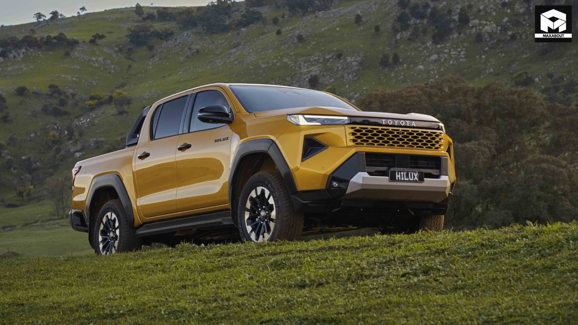
The most significant development for the 2026 Hilux is undoubtedly Toyota's commitment to electrification. Based on official announcements and industry analysis, we can expect three distinct electrified options.
Hybrid Powertrain
The hybrid Hilux will likely utilize technology similar to what we've seen in Toyota's current hybrid SUVs, but adapted for pickup truck duty. According to available information:
- The system will pair a 2.5-liter petrol engine with electric motors
- Combined power output should reach approximately 240-250 horsepower
- Fuel economy improvements of 25-30% compared to equivalent petrol models
- Limited electric-only driving capability for short distances
This seems to be positioned as the "best of both worlds" option, offering improved fuel economy without sacrificing the range and capability that pickup buyers expect.
All-Electric Hilux
Reports indicate Toyota is developing a fully electric Hilux with competitive specifications:
- Dual motor setup providing all-wheel drive capability
- Target range of approximately 300-350 miles (480-560 km)
- Fast-charging capability supporting 10-80% charge in under 30 minutes
- Towing capacity expected to be similar to conventional powertrains
This model will likely compete directly with offerings like the Ford F-150 Lightning and the upcoming electric versions of the Chevrolet Silverado and Ram 1500.
Hydrogen Fuel Cell Variant
Perhaps the most intriguing option is the hydrogen fuel cell electric vehicle (FCEV) variant. Toyota has been a pioneer in hydrogen technology with the Mirai, and according to industry sources, the Hilux FCEV will feature:
- Next-generation fuel cell stack with improved efficiency and durability
- Range comparable to conventional models (approximately 400+ miles)
- Refueling time of just 3-5 minutes (similar to conventional fueling)
- Zero-emission operation with water as the only byproduct
The hydrogen option appears targeted at markets with developing hydrogen infrastructure, particularly Japan, parts of Europe, and California. It represents Toyota's long-term vision for sustainable transportation in the commercial sector.
Design and Platform Updates
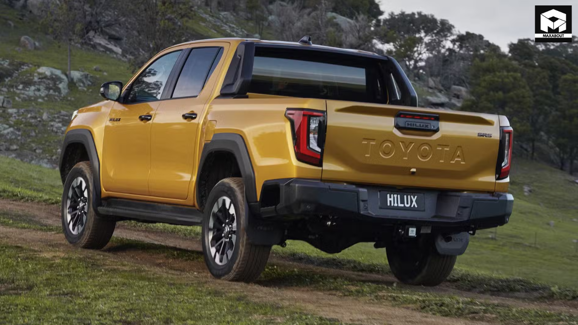
The 2026 Hilux isn't just receiving powertrain updates – it's undergoing a comprehensive redesign based on a new platform architecture. From what industry publications have reported:
Exterior Styling
The exterior design will evolve while maintaining the Hilux's recognizable profile:
- More aggressive front fascia with larger grille and redesigned headlights
- Distinct visual identifiers for each powertrain variant
- Improved aerodynamics, particularly on electrified models
- Increased use of lightweight materials to improve efficiency
The various powertrain options will be distinguished by unique design elements – for example, the electric version is expected to feature a closed-off grille and distinctive lighting signatures.
Interior and Technology
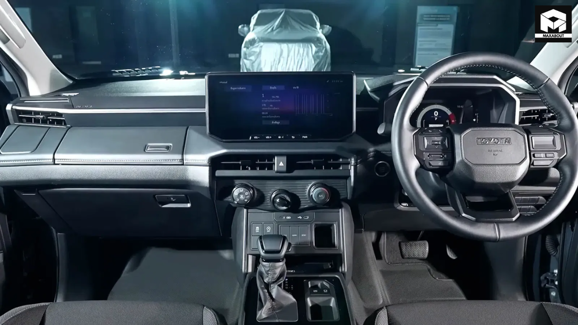
The cabin will receive a significant update to bring it in line with newer Toyota models:
- Completely redesigned dashboard with larger touchscreen (likely 12+ inches)
- Digital instrument cluster standard on higher trims
- Improved materials throughout the cabin
- Enhanced noise insulation, especially in electrified variants
The technological upgrades extend to connectivity and driver assistance features, with Toyota's latest safety suite expected to be standard across the range.
Market Positioning and Release Timeline
Toyota appears to be taking a measured approach to introducing these new powertrain options, with a staggered release strategy.
Release Schedule
According to automotive publications and industry analysts, we can expect the following rollout:
- Updated petrol and diesel models: Early 2026
- Hybrid variant: Mid-2026
- Electric version: Late 2026
- Hydrogen fuel cell option: 2027 in select markets
This phased approach allows Toyota to gauge market reception and adjust production accordingly while managing the significant technical challenges of launching multiple new powertrains.
Regional Availability
Not all variants will be available in all markets. Based on Toyota's typical distribution patterns and regulatory environments:
- Petrol models: Primarily North America and the Middle East
- Diesel variants: Strong focus on Europe, Australia, and developing markets
- Hybrid models: Global availability with emphasis on Europe and North America
- Electric version: Initially focused on North America and Europe
- Hydrogen variant: Limited to Japan, California, and select European markets with hydrogen infrastructure
This tailored approach recognizes the varying priorities and infrastructure limitations across global markets.
Frequently Asked Questions
Will the 2026 Toyota Hilux be available in the United States?
Toyota hasn't confirmed U.S. availability, but industry analysts suggest the electrified versions might be introduced to the American market, where Toyota currently offers the Tacoma instead of the Hilux. The company may be reconsidering this strategy given the growing pickup market and demand for electrified options.
How will the electric Hilux's towing capacity compare to conventional models?
According to Toyota's technical briefings, the electric Hilux is being engineered to offer towing capacity comparable to its conventional counterparts. Early targets suggest figures around 3,500 kg (7,700 lbs), though final specifications haven't been confirmed.
What kind of warranty will Toyota offer on the battery for the electric Hilux?
While not officially announced, Toyota typically offers 8-10 year warranties on their EV batteries. Industry expectations are that the electric Hilux will come with a battery warranty of at least 8 years or 100,000 miles, similar to other electric vehicles in their lineup.
Conclusion
The 2026 Toyota Hilux represents a pivotal moment for one of the automotive world's most iconic workhorses. By offering five distinct powertrain options, Toyota is acknowledging both the changing regulatory landscape and the diverse needs of pickup truck users around the world.
What's particularly impressive is how Toyota appears to be maintaining the Hilux's core values of durability and capability while embracing new technologies. The conventional engines will continue to serve traditional users, while the electrified options open new possibilities for both commercial and private owners concerned about emissions and operating costs.
From an industry perspective, this comprehensive approach reflects Toyota's methodical, long-term thinking. Rather than putting all their resources into a single "future" technology, they're hedging their bets by developing multiple options simultaneously. This strategy may prove particularly wise given the uncertain pace of charging infrastructure development and varying regional preferences.
As we get closer to the release dates, we'll undoubtedly learn more about specifications, pricing, and market-specific features. What's already clear, though, is that the 2026 Hilux will offer unprecedented choice in the pickup segment and potentially set new standards for how legacy models can successfully transition into an electrified future.
Explore the story
Related news

Share your view and join the discussion.
Earn reward points for every comment and get a chance to win ₹1,000 in our weekly lucky draw. Sign in with Google in one tap.
Start the conversation
No one has commented on this article yet. Be the first to share your view.
Want to read more automotive news?
Stay updated with the latest car launches, reviews, and industry insights.
Browse All News