
2026 Jeep Compass Sport Gets More Features – Worth It?
Base variants rarely get the spotlight. They exist quietly in brochures, sitting at the bottom of the trim ladder while all the attention goes to the top-spec model with its panoramic sunroof and ventilated seats. But here is the thing — in India, base variants often outsell everything else. And tha...
Editorial Team
Base variants rarely get the spotlight. They exist quietly in brochures, sitting at the bottom of the trim ladder while all the attention goes to the top-spec model with its panoramic sunroof and ventilated seats. But here is the thing — in India, base variants often outsell everything else. And that makes what Jeep has just done with the 2026 Compass Sport genuinely interesting.
The Compass Sport is the entry point into Jeep ownership in India. It sits in that competitive ₹20–25 lakh segment where buyers are making a real trade-off — they want the badge, the road presence, the butch SUV stance, but they cannot always justify stretching further. From what I have observed, this is actually a very deliberate purchase decision, not a compromise.
So when Jeep quietly updates the Sport variant with more standard equipment, it deserves attention. This is not a flagship reveal with dramatic unveils. There are no flashy press events here. But for someone eyeing the most accessible Compass trim, added features at the same or similar price point directly changes the value calculation.
In this post, we will break down exactly what is new, whether it actually moves the needle, and if the 2026 Compass Sport finally makes a stronger case for itself in one of India's most hotly contested SUV price bands.
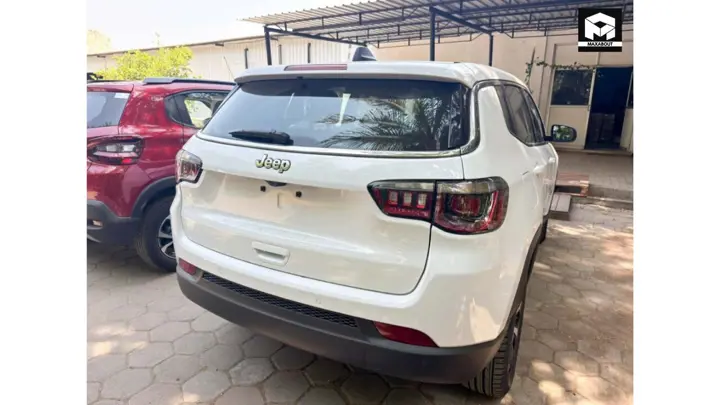
What Is the 2026 Jeep Compass Sport and Who Is It For?
The Compass lineup in India runs across several variants, and the Sport sits right at the bottom of that ladder. It is the entry point. The version that lets you park a Jeep in your driveway without stretching your budget to its absolute limit.
Historically, that positioning came with a cost beyond just price. The Sport was noticeably stripped down. Buyers got the badge, the road presence, and the capable platform — but gave up quite a bit in terms of comfort and convenience features. That trade-off made it a tough sell when segment competitors were offering genuinely well-equipped cabins at similar price points.
The buyer considering a Compass Sport is usually someone with a clear head about what they want. The Jeep nameplate matters to them. There is something real about that — in Indian cities, a Jeep turns heads in a way that few other badges manage. That emotional pull is not trivial, and Jeep knows it.
But emotion only carries a purchase decision so far. Practically speaking, this buyer is also cross-shopping against strong rivals in the mid-size SUV space, vehicles that come loaded with features from their base trims. That is exactly where the Sport has struggled in previous years.
Whether the 2026 update meaningfully closes that gap is the real question worth asking.
New Equipment Added to the 2026 Compass Sport — A Closer Look
So let's get into the specifics, because that is where things get genuinely interesting. The 2026 update to the Sport variant is not a cosmetic exercise. Jeep has made targeted additions that address some of the most common complaints buyers and reviewers have raised over the years.
Infotainment and Connectivity
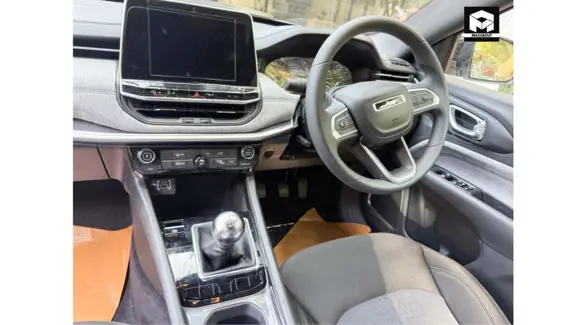
The most noticeable change is the upgraded infotainment system. The Sport now gets a 10.1-inch touchscreen — a meaningful step up from the smaller unit it previously carried. Wireless Android Auto and Apple CarPlay are included, which frankly should have been standard long ago. From what industry reports suggest, the interface response has also improved noticeably compared to earlier Compass units, which were occasionally criticised for sluggish touch response.
USB-C ports are now present at the front, and there is a rear USB port added as well — something that families navigating long Mumbai-Pune expressway drives or Bengaluru weekend getaways will genuinely appreciate.
Safety Features Now Included
This is where I think the update carries real weight. The 2026 Sport now gets rear parking sensors and a reversing camera as standard. Previously, these were absent at this trim level — a frustrating omission for anyone dealing with tight parking in cities like Delhi or Hyderabad. Having both together makes a practical difference every single day.
Cruise control also makes it to the Sport trim now. On paper that sounds minor, but anyone who regularly uses highways knows how much fatigue it reduces.
Interior Additions Worth Noting

Automatic climate control replaces the manual unit. That is a genuine upgrade in comfort terms, especially through peak Indian summers. The steering-mounted controls feel more complete now with the added audio and call management buttons properly integrated.
What is still missing, though, is any form of ADAS — no lane assist, no automatic emergency braking. Those remain reserved for higher trims. For a base variant update, the additions are solid, if not transformative.
Pricing and Value — Does the 2026 Sport Justify the Ask
The 2026 Jeep Compass Sport is expected to carry an ex-showroom price in the range of ₹19.5 lakh to ₹20.5 lakh — a modest increase over where the previous Sport sat. That bump, somewhere in the ₹50,000 to ₹70,000 territory based on official announcements, is directly tied to the equipment additions we just discussed. Whether that feels fair depends entirely on how you look at it.
Remember, ex-showroom pricing does not tell the whole story. Once GST, road tax, and registration charges factor in, on-road figures in cities like Mumbai or Bengaluru will push noticeably higher. That is worth keeping in mind when you are budgeting seriously.
Here is the honest part though — what you are getting now at this price point is meaningfully better than before. Automatic climate control, proper steering-integrated controls, and the updated infotainment system are not trivial additions at this segment level. These were genuine pain points in the older Sport, and Jeep has addressed them directly.
Against similarly priced rivals in the Indian market, the Sport holds its ground reasonably well. The Compass name still carries a certain road presence and build quality perception that buyers here respond to. From what industry observers note, resale values for Compass variants have remained relatively stable — which matters in the long run.
Is it worth the slight price increase? In my view, yes — but only just.
Real-World Relevance — How These Features Hold Up on Indian Roads
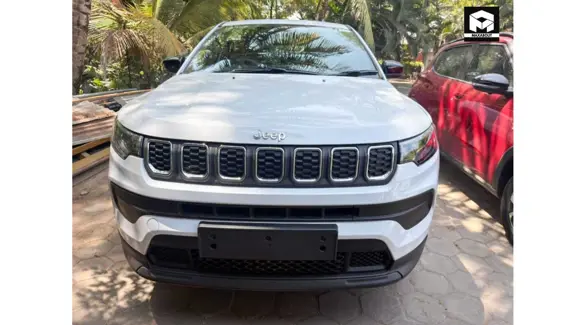
This is where things get genuinely interesting. Features that look good on a spec sheet often tell a completely different story once you're navigating Bengaluru's notorious evening gridlock or crawling through a waterlogged stretch in Mumbai during peak monsoon season.
Take the reversing camera addition. In my view, this is arguably the single most useful upgrade for urban Indian buyers. Anyone who has tried reversing a Compass — a fairly large vehicle by our standards — into a tight basement parking spot in a Delhi mall or a cramped Pune lane will immediately understand why. The previous Sport's absence of this felt like a genuine gap. That gap is now closed.
The connectivity upgrades matter too, though perhaps differently than expected. On long highway stretches — say, the Mumbai-Pune expressway or NH-48 toward Jaipur — wireless phone integration genuinely reduces driver distraction. That's a real safety benefit, not just a luxury talking point.
Potholed roads and rough surfaces are another consideration. From what reviewers and long-term Compass owners generally note, the suspension setup handles broken tarmac with reasonable composure. The added features don't change this, but they complement an ownership experience that was already considered solid for Indian conditions.
Monsoon driving confidence also benefits from better visibility aids. Small things, but they add up on roads that genuinely demand your full attention.
Jeep's Service Network and Ownership Costs — Still a Concern
Here's where honesty matters. The Compass ownership experience isn't without friction, and the Sport buyer — likely stretching their budget to get here — needs to walk in with clear expectations.
Jeep's service network in India remains significantly smaller than what you'd get with Hyundai, Maruti, or even Tata. If you're in Mumbai, Delhi, Bengaluru, or Pune, you're reasonably covered. But in smaller cities and towns, authorized service points are genuinely sparse. A breakdown or routine service could mean travelling considerable distances, which is a real inconvenience.
Maintenance costs run higher than mass-market alternatives. Service intervals, spare parts pricing, and labour charges reflect the vehicle's premium positioning — whether that suits your budget is worth calculating honestly before purchase.
That said, Jeep has made measurable improvements to its after-sales infrastructure over recent years. More service touchpoints have been added, and the brand has pushed extended warranty options that offer some reassurance.
From what long-term owners generally report, the Compass is mechanically dependable, which reduces unplanned service visits. Still, for someone in a Tier-2 or Tier-3 city, this remains a legitimate concern worth factoring carefully into the overall ownership cost calculation.
Should You Consider the 2026 Compass Sport Over Higher Trims?
This is genuinely the hardest question to answer, because it depends almost entirely on what you're buying the Compass for.
The Sport makes sense if your priority is the badge and the driving experience at the lowest possible entry point. You still get the Compass's well-regarded diesel engine, solid build quality, and that unmistakable road presence. For someone stretching to get into the Jeep ecosystem without overcommitting financially, the Sport is a reasonable starting point.
But stretch the budget slightly toward the mid-trim and the additions become hard to ignore — a sunroof, a larger touchscreen, and better connectivity features that genuinely improve daily usability. In city driving across Mumbai or Bengaluru, where you're spending hours inside the cabin, those comforts matter more than most buyers initially expect.
My honest assessment: the Sport suits first-time premium SUV buyers who want brand value and mechanical substance without loading EMIs. It does not suit buyers who will feel the missing features every single day.
If the higher trim is within ₹1–1.5 lakh reach after negotiation, go there. If the gap is larger and finances are stretched, the Sport holds its ground well enough to be a decision you won't regret.
Final Thoughts — A Step in the Right Direction for Jeep India
The 2026 Compass Sport update is not a reinvention. But it does not need to be. What Jeep has done here is quietly close some gaps that were making the base variant harder to justify — and that matters.
For Indian buyers who have always wanted a Compass but felt the entry price left them underserved, this update at least makes the conversation more honest. You are getting more for what you pay, even if certain omissions remain frustrating by segment standards.
Where gaps still exist — safety tech, rear comfort features, connected options — Jeep will need to address those over time if they want the Sport to feel truly competitive rather than merely acceptable.
My suggestion: visit a showroom, sit in it, and request a test drive. On paper, specs only tell part of the story. The Compass still has a road presence and build quality that is difficult to dismiss in person. Pricing clarity may also improve as inventory settles.
If you are in no rush, waiting a few weeks for real-world ownership feedback from early buyers is sensible. But this update is genuinely a step forward — small, considered, and meaningful enough to take seriously.
Explore the story
Related news

Share your view and join the discussion.
Earn reward points for every comment and get a chance to win ₹1,000 in our weekly lucky draw. Sign in with Google in one tap.
Start the conversation
No one has commented on this article yet. Be the first to share your view.
Want to read more automotive news?
Stay updated with the latest car launches, reviews, and industry insights.
Browse All News