
Updated 2026 Hyundai Verna Facelift Highlights
The compact sedan segment might not be as hot as it once was, but Hyundai isn't giving up on the Verna. Fresh spy shots have emerged showing the 2026 facelift undergoing testing, and I've got to say, the changes look more substantial than your typical mid-cycle refresh.Let me walk you through what w...
Automotive Journalist
The compact sedan segment might not be as hot as it once was, but Hyundai isn't giving up on the Verna. Fresh spy shots have emerged showing the 2026 facelift undergoing testing, and I've got to say, the changes look more substantial than your typical mid-cycle refresh.
Let me walk you through what we're seeing and what it could mean for buyers waiting to pull the trigger on a new sedan.
What the Spy Shots Reveal
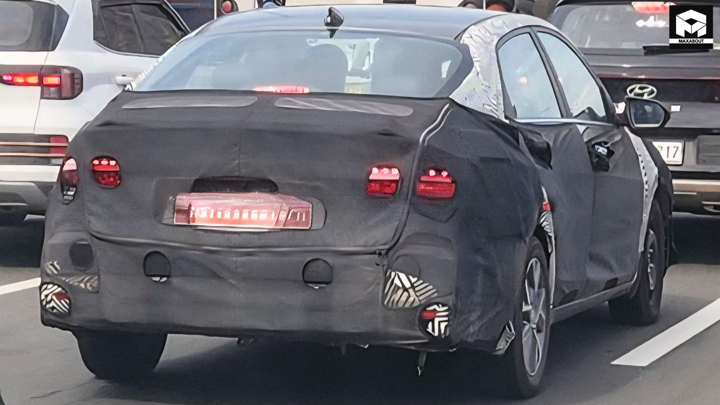
The test mules caught testing were wearing minimal camouflage, which actually works in our favor. We can make out quite a bit of detail that tells us where Hyundai is heading with this update.
Front Fascia Gets a Major Rework
The most obvious change is up front. The 2026 Verna facelift appears to adopt Hyundai's latest design language, which we've seen on newer models like the Exter and updated Creta. The grille looks wider and more aggressive, with what seems to be a parametric jewel pattern that's become Hyundai's signature move lately.
The headlamps are getting a complete redesign too. From what I can see through the camouflage, they're slimmer and more horizontal, likely incorporating split LED elements. This matches the trend we're seeing across Hyundai's global lineup. The DRLs appear to be getting that distinctive light signature that makes modern Hyundais instantly recognizable at night.
Side Profile Shows Subtle Tweaks
The side profile looks largely similar to the current model, which makes sense. You don't mess with the basic proportions during a facelift. However, there are new alloy wheel designs visible on the test mules, and the body cladding seems slightly different.
What's interesting is the possibility of new paint options. While we can't confirm colors from camouflaged test vehicles, Hyundai typically introduces fresh color palettes with facelifts to attract buyers who want something different from the outgoing model.
Rear End Updates
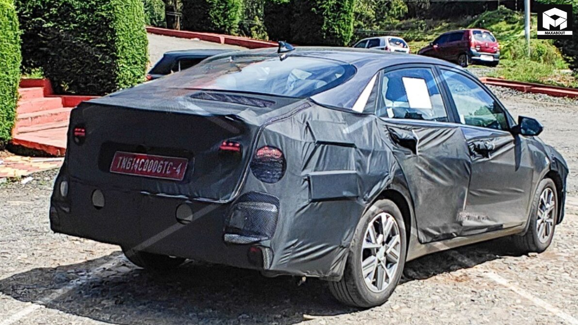
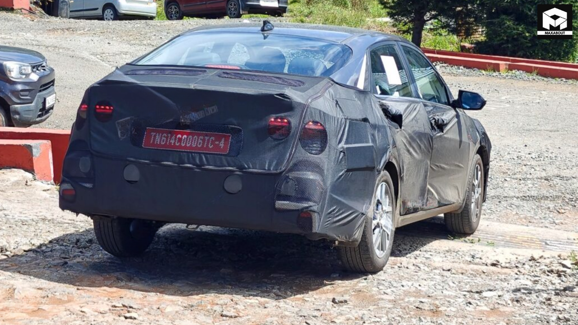
The rear is where things get interesting. The tail lamps appear to be completely redesigned with what looks like a connected light bar element or at least a design that creates that visual effect. This is a huge trend in the automotive industry right now, and frankly, it makes sedans look more premium.
The bumper also seems to have been reworked with new reflector housings and possibly a revised diffuser element. These changes should give the Verna a more upscale appearance, which is crucial when you're competing against cars that are constantly upping their game.
Expected Interior Changes
While we don't have clear interior spy shots yet, there are some educated guesses we can make based on Hyundai's recent moves and industry patterns.
Larger Touchscreen Display
The current Verna already offers a decent-sized touchscreen, but competition has moved forward. The Skoda Slavia and Volkswagen Virtus both offer larger displays, and Honda City has its own tech advantages. I'd expect Hyundai to bump up the screen size to at least 10.25 inches, possibly even matching the dual-screen setup we see in some of their other models.
Updated Digital Instrument Cluster
The digital instrument cluster will likely get a refresh too. Expect higher resolution graphics, more customization options, and additional information displays. Hyundai has been really good about providing comprehensive driver information in their newer models.
ADAS Features
Here's where things could get really interesting. Advanced Driver Assistance Systems are becoming increasingly common in this segment. The Verna facelift might introduce or expand ADAS features like adaptive cruise control, lane keep assist, and automatic emergency braking. These features are no longer just nice-to-haves – they're becoming expected in this price range.
Powertrain Options: What's Staying and What Might Change
Based on what we're seeing and hearing from industry sources, the powertrain lineup will likely carry over with possible updates to meet stricter emission norms.
Expected Engine Lineup
- 1.5-liter naturally aspirated petrol: This workhorse engine should continue, possibly with minor tweaks for better efficiency
- 1.5-liter turbo-petrol: The performance-oriented option that enthusiasts prefer will likely remain unchanged
- Transmission options: Manual, CVT, and DCT options should all be retained
What I don't expect is a diesel engine. The diesel Verna has been discontinued, and with stricter emission norms and declining diesel demand in this segment, it's unlikely to make a comeback.
Fuel Efficiency Improvements
Hyundai will probably focus on extracting better fuel economy from the existing engines. Small improvements in aerodynamics from the revised bodywork, along with possible engine management updates, could yield modest efficiency gains. In today's market, every kilometer per liter counts for buyers.
Feature Additions and Technology Upgrades
Let's talk about what could make this facelift genuinely compelling for buyers who are on the fence.
Connected Car Technology
Hyundai's BlueLink connected car platform will almost certainly get updates. Expect new features, improved app functionality, and possibly even over-the-air update capability. Connected car tech has become a major selling point, especially for younger buyers who want their car to integrate seamlessly with their digital life.
Safety Equipment
With safety becoming a bigger priority for Indian buyers, Hyundai might add more standard safety equipment across variants. Six airbags should become standard across the lineup – this is becoming the norm rather than the exception. Additional features like a 360-degree camera, blind spot monitoring, and rear cross-traffic alert might be added to higher variants.
Comfort and Convenience Features
Expect improvements in comfort features like:
- Ventilated front seats with improved cooling
- Possibly ventilated rear seats in top variants
- Enhanced ambient lighting options
- Wireless phone charging with better cooling to prevent overheating
- Improved sound insulation for a quieter cabin
- Better quality materials in the cabin
Market Positioning and Competition
The sedan segment has gotten incredibly competitive, and Hyundai needs this facelift to hit the mark.
Key Competitors
The Verna faces tough competition from several well-established players:
- Honda City: The perennial segment leader with strong brand loyalty
- Skoda Slavia: The newer entrant with European appeal and solid build quality
- Volkswagen Virtus: Essentially the Slavia's twin with similar strengths
- Maruti Suzuki Ciaz: Now discontinued, creating space in the market
With the Ciaz gone, there's actually an opportunity for the Verna to capture those buyers looking for a reliable, feature-rich sedan with good after-sales support.
Pricing Strategy
This is where Hyundai needs to be smart. The current Verna ranges from approximately ₹11 lakh to ₹17.5 lakh (ex-showroom). The facelift will likely command a premium of ₹30,000 to ₹70,000 depending on the variant, but Hyundai can't price themselves out of the segment.
The sweet spot will be offering enough new features to justify the increase while keeping the value proposition strong. If they nail this balance, the Verna could regain some of the market share it's lost to competitors.
Expected Launch Timeline
Based on the stage of testing we're seeing in these spy shots, I'd estimate the 2026 Hyundai Verna facelift will launch sometime in mid to late 2025. Hyundai typically follows a pattern of extensive testing before launch, and these relatively undisguised test mules suggest we're getting closer to the reveal.
A festive season launch would make sense from a sales perspective, giving Hyundai maximum visibility during the high-demand period. Alternatively, an early 2026 launch would explain the model year designation.
Should You Wait for the Facelift?
This is the question everyone considering a sedan purchase wants answered. Here's my honest take.
If you're planning to buy within the next 3-4 months, the current Verna remains an excellent choice, especially with the discounts dealers are likely offering to clear inventory before the facelift arrives. You'll get a proven product at a better price.
However, if your purchase timeline extends beyond that, waiting for the facelift makes more sense. The updated design will stay fresh longer, and the new technology features will be relevant for more years of ownership. Plus, if you're someone who cares about having the latest and greatest, you'll avoid the immediate regret of buying just before a major update.
For those trading in an older sedan, the facelift might offer better resale value down the line simply by being newer. This is worth considering in your long-term cost calculations.
Frequently Asked Questions
When will the 2026 Hyundai Verna facelift launch in India?
Based on the current testing phase, the facelift is expected to launch in late 2025 or early 2026. Hyundai hasn't announced an official date yet, but the relatively undisguised test mules suggest we're getting close to the reveal.
Will the Verna facelift be more expensive than the current model?
Yes, facelifts typically come with a price increase. Expect a premium of ₹30,000 to ₹70,000 depending on the variant, though competitive pressure might keep increases modest. The added features and technology should justify the higher price point.
What are the major design changes in the 2026 Verna facelift?
The facelift features a redesigned front grille with Hyundai's parametric jewel pattern, new LED headlamps and DRLs, updated tail lamps with possible connected design elements, new alloy wheels, and refreshed bumpers front and rear.
Will the Verna facelift get ADAS features?
While not confirmed, it's highly likely that the facelift will introduce or expand ADAS features to remain competitive. Features like adaptive cruise control, lane keep assist, and automatic emergency braking are becoming standard in this segment.
Are there any engine changes expected?
The existing 1.5-liter naturally aspirated petrol and 1.5-liter turbo-petrol engines will likely continue with possible minor updates for efficiency and emissions compliance. Don't expect a diesel option to return.
Final Thoughts
The 2026 Hyundai Verna facelift appears to be shaping up as a comprehensive update rather than a minor refresh. From what we're seeing in these spy shots, Hyundai is taking the competition seriously and updating the Verna to match or exceed what rivals are offering.
The sedan segment might be shrinking overall as buyers flock to SUVs, but there's still a dedicated audience that appreciates the driving dynamics, fuel efficiency, and practicality that sedans offer. For these buyers, the updated Verna could be exactly what they're waiting for.
What impresses me most is how Hyundai continues to invest in this segment despite the market shift toward SUVs. It shows confidence in their product and commitment to customers who prefer sedans. The Verna has always been a strong seller for Hyundai, and this facelift should help maintain that momentum.
As more details emerge and we get closer to the official reveal, I'll be watching closely to see if Hyundai delivers on the promise these spy shots are suggesting. Based on what we're seeing so far though, the 2026 Verna facelift is definitely worth keeping on your radar if you're in the market for a compact sedan.
Explore the story
Related news

Share your view and join the discussion.
Earn reward points for every comment and get a chance to win ₹1,000 in our weekly lucky draw. Sign in with Google in one tap.
Start the conversation
No one has commented on this article yet. Be the first to share your view.
Want to read more automotive news?
Stay updated with the latest car launches, reviews, and industry insights.
Browse All News