
2026 Hyundai Tucson Rendered: Boxier Design & New LED
Hyundai has a habit of making you look twice. From the sculpted lines of the Creta to the futuristic stance of the Ioniq 5, the brand has consistently raised the bar for what design can mean in the Indian market. So when renders of a new-generation 2026 Tucson started circulating online, it was hard...
Editorial Team
Hyundai has a habit of making you look twice. From the sculpted lines of the Creta to the futuristic stance of the Ioniq 5, the brand has consistently raised the bar for what design can mean in the Indian market. So when renders of a new-generation 2026 Tucson started circulating online, it was hard not to pay attention.
These are not official Hyundai reveals — worth saying clearly upfront. The images are designer renders, likely inspired by patent filings and evolving global design language. Treat them as an informed glimpse, not a confirmed product roadmap.
That said, what they suggest is genuinely interesting. A boxier silhouette, sharper edges, and a reworked LED signature point toward a more assertive visual identity — one that feels like a deliberate departure from the current model's softer, more rounded profile.
In India, the current Tucson already sits in a competitive but thinly populated space — premium mid-size SUVs priced broadly between ₹28 lakh and ₹35 lakh. It competes on refinement and badge value rather than volume. A meaningful design overhaul could shift that equation quite a bit, drawing buyers who previously overlooked it in favour of flashier alternatives.
From what these renders suggest, Hyundai may be preparing something worth watching closely.
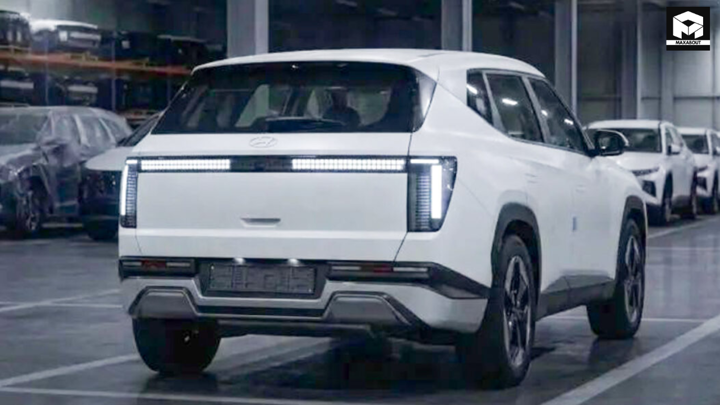
Breaking Down the Boxier Design Language: What the Renders Show
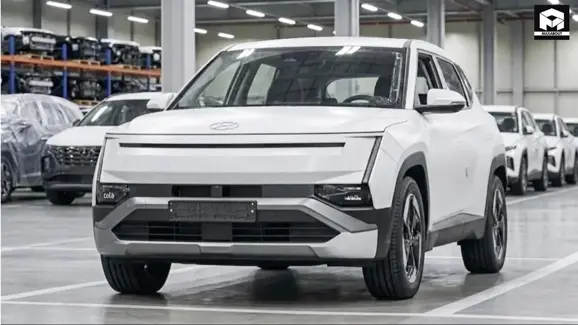
The most immediate thing you notice in these renders is how deliberately angular the new Tucson looks. The soft, sculpted surfaces that defined the current generation are largely gone. What replaces them is a flatter hood, crisper shoulder lines, and wheel arches that look almost drawn with a ruler rather than a curve tool.
The greenhouse — the glassy upper portion of the cabin — sits notably more upright. That single change does a lot of heavy lifting. It makes the vehicle read as taller, more commanding, and honestly more purposeful than its predecessor.
This shift isn't happening in isolation. Globally, there is a clear move toward utilitarian proportions in the SUV segment. The Land Rover Defender's remarkable commercial revival proved that buyers actively respond to honest, squared-off shapes. Closer to home, the Mahindra Scorpio-N demonstrated that rugged, upright aesthetics resonate deeply with Indian buyers — particularly those who want their SUV to actually look like one.
The rendered Tucson appears to be drawing from that same visual philosophy, though filtered through a premium, urban sensibility rather than an off-road one. The proportions feel considered rather than aggressive.
For Indian roads specifically, this aesthetic direction also carries practical undertones — a boxier body typically signals better headroom and a more spacious interior feel, both of which matter enormously on longer highway runs.
The New LED Signature: A Closer Look at the Lighting Design
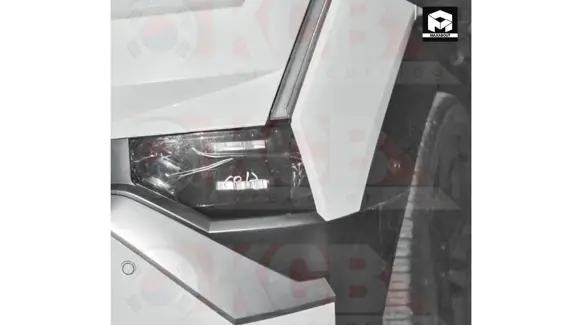
If the boxier silhouette is the rendered Tucson's structural statement, the lighting is where it genuinely communicates. And from what these renders suggest, Hyundai has put serious thought into this.
The front daytime running light pattern appears to adopt a sharp, horizontally-stretched graphic — thin, precise, almost architectural in feel. It reads less like a lighting element and more like a design feature that happens to illuminate. This approach echoes what Hyundai has already demonstrated on the Ioniq 6 and, at a more accessible level, the Exter — where the LED signature carries the face's entire personality.
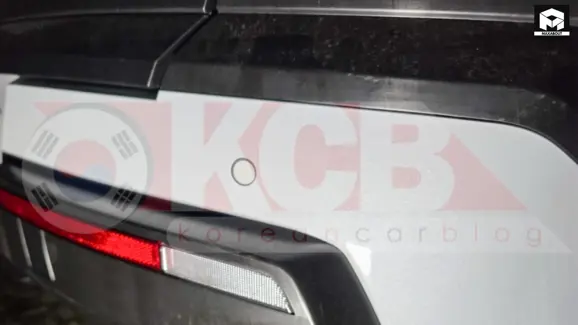
At the rear, a full-width LED light bar seems to connect both taillights, a detail that premium buyers in India are increasingly treating as a purchasing signal. It signals modernity in a way that engine specs simply cannot.
Compare this with the current Tucson's split-level lighting setup — competent, but conservative. The new direction feels like a meaningful step forward rather than a cosmetic refresh.
From what industry observers are noting, LED signature differentiation has become a genuine battleground in India's premium SUV segment. Buyers noticing these details at showrooms in cities like Bengaluru and Pune are making that abundantly clear.
How This Design Could Land With Indian SUV Buyers
There is something genuinely interesting about how buyers in the ₹25–40 lakh segment make their decisions. It is rarely just about fuel efficiency figures or boot space measurements. Road presence matters enormously. Walk into any premium SUV showroom in Delhi or Mumbai and you will quickly notice that buyers spend a surprising amount of time simply walking around the vehicle, studying how it looks from the street.
The boxier, more angular direction of the new Tucson render speaks directly to that psychology. A commanding, upright stance reads as substantial and serious — qualities that urban buyers in Bengaluru and Hyderabad actively seek at this price point.
On varied terrain, a visually bold design also carries a certain reassurance. Whether navigating congested stretches in Mumbai or cruising weekend highways toward Coorg or Lonavala, a vehicle that looks planted and purposeful simply feels more appropriate.
That said, honesty matters here. Not everyone will welcome this shift. The current Tucson has genuine European elegance — refined, understated, quietly confident. A sharper, more angular replacement will divide opinion. Some buyers will find it fresher and more contemporary. Others may feel it loses something sophisticated in the transition. Both reactions are entirely reasonable, and neither is wrong.
Where the 2026 Tucson Fits in the Indian Premium SUV Segment
The premium SUV space in India is genuinely competitive right now, and the 2026 Tucson won't have an easy ride. It enters a segment populated by some strong, well-established alternatives — each with a distinct personality and loyal following.
The Jeep Compass remains a credible rival, offering genuine off-road character and badge appeal. The Volkswagen Tiguan and Skoda Kodiaq bring European engineering and strong feature sets, though their service networks in smaller Indian cities can be a genuine concern for practical ownership. The Citroën C5 Aircross offers a unique, comfort-focused proposition, but awareness and dealership reach remain limited.
This is where Hyundai holds a meaningful, real-world advantage. Their service network across India — from metros to tier-two cities — is simply more accessible than most European rivals. For a buyer in Nagpur or Jaipur, that matters far more than spec-sheet comparisons.
Pricing-wise, the current Tucson sits around ₹29–35 lakh. A new generation, with updated technology and design, will likely push that ceiling higher. Expect something closer to ₹32–38 lakh at launch.
Indian buyers at this price point want it all — panoramic roofs, ADAS features, strong fuel efficiency, and an interior that justifies the premium. The 2026 Tucson will need to deliver convincingly across every single one of those expectations.
What to Expect Under the Hood and Inside the Cabin
Nothing is confirmed yet, but based on Hyundai's global direction and how they've been positioning vehicles in India, there's enough to make some reasonable guesses here.
The current Tucson offers a 2.0-litre petrol engine for India. That's likely to carry forward in some form, but the more interesting question is whether Hyundai introduces a mild-hybrid or full hybrid variant. Given how well the Creta Electric has been received, Hyundai clearly sees India warming up to electrified options. A 48V mild-hybrid setup on the Tucson feels genuinely plausible — it would improve fuel efficiency figures without demanding the infrastructure commitment of a full EV.
A proper hybrid, like what the Tucson gets in some global markets, would be a strong differentiator in this segment. Whether Hyundai brings that to India at launch is less certain, but I wouldn't rule it out entirely for a later variant.
On the features front, expectations at this price point are frankly non-negotiable. Based on segment trends and Hyundai's recent launches, buyers will almost certainly expect:
A large touchscreen — likely 12 inches or more
A comprehensive ADAS suite with lane-keep assist, forward collision warning, and adaptive cruise control
Ventilated front seats, which are practically essential in Indian summers
A panoramic sunroof — almost mandatory at this price
Connected car technology with over-the-air update capability
Again, these are educated expectations based on where the segment is heading — not confirmed specifications from Hyundai.
Render vs. Reality: Why We Should Stay Measured Until the Official Reveal
Here is where honest journalism matters. That render looks striking — but renders almost always do.
The gap between a designer's digital vision and a production-ready vehicle is significant. Cost engineering, manufacturing constraints, global market feedback, and regulatory requirements all chip away at those sharp edges before a car reaches any showroom. The 2023 Hyundai Verna is a reasonable local example — early renders suggested a more aggressive front fascia than what eventually launched in India. The Tucson itself followed a similar pattern with its previous generation reveal cycle.
Think of renders as a directional signal, not a blueprint. They communicate intent — boxier proportions, a refreshed LED signature, a more assertive stance. That intent is genuinely useful information. But the specific execution? That remains entirely in Hyundai's hands.
Production feasibility alone can soften dramatic body creases. Pedestrian safety regulations in certain markets influence hood and bumper geometry. Cost considerations affect how many bespoke lighting elements actually survive into the final design.
Appreciate this render for the conversation it starts. Just resist treating it as a preview of exactly what will arrive at dealerships.
Final Thoughts: Should the 2026 Tucson Be on Your Radar?
Honestly, yes — but with measured expectations. The 2026 Tucson, based on everything we know so far, seems aimed at buyers who want a premium SUV that feels genuinely modern without crossing into unnecessarily flashy territory.
The ideal buyer here isn't someone chasing performance or serious off-road capability. This is for someone who commutes through Bengaluru traffic, occasionally drives to hill stations, and wants a vehicle that looks sharp, behaves reliably, and doesn't constantly visit the service center.
If Hyundai pairs this bolder design direction with a proper strong hybrid option and keeps pricing competitive around the ₹30-35 lakh range, the Tucson could genuinely challenge established names in the premium segment. That combination — striking looks, hybrid efficiency, and Hyundai's improving reliability record — would be difficult to ignore.
But wait for the official reveal before forming strong opinions. Renders spark conversations; production cars deliver reality.
What do you think about this boxier, more assertive design direction? Does it work for you, or do you prefer the softer lines of the current model? Drop your thoughts below.
Explore the story
Related news

Share your view and join the discussion.
Earn reward points for every comment and get a chance to win ₹1,000 in our weekly lucky draw. Sign in with Google in one tap.
Start the conversation
No one has commented on this article yet. Be the first to share your view.
Want to read more automotive news?
Stay updated with the latest car launches, reviews, and industry insights.
Browse All News