
2026 Bajaj Pulsar 350: Engine Specs & Power Details Revealed
2026 Bajaj Pulsar 350: A New Chapter in Performance MotorcyclingThe motorcycle community is buzzing with excitement as specifications of the upcoming 2026 Bajaj Pulsar 350 have surfaced through industry sources. This new model appears to be more than just an upgrade – it represents a significant lea...
Editorial Team
2026 Bajaj Pulsar 350: A New Chapter in Performance Motorcycling

The motorcycle community is buzzing with excitement as specifications of the upcoming 2026 Bajaj Pulsar 350 have surfaced through industry sources. This new model appears to be more than just an upgrade – it represents a significant leap in the iconic Pulsar lineage that began in 2001.
Based on leaked technical documents, the new 350cc engine promises to deliver approximately 40 PS of power, positioning it as a serious contender in India's growing mid-capacity motorcycle segment. This is particularly noteworthy considering the Pulsar series' evolution from its original 150cc roots.
The timing of this release seems strategic, marking 25 years since the first Pulsar revolutionized India's motorcycle market. What started as an affordable performance option has grown into a diverse range spanning from 125cc to 250cc, with this new 350cc variant representing the pinnacle of Pulsar engineering.
Looking at current market dynamics, this move appears to be Bajaj's response to the increasing demand for powerful yet practical motorcycles in urban India. The 350cc segment has shown remarkable growth, especially among experienced riders seeking more performance without stepping into premium price brackets.
Key Timeline:
2001: Original Pulsar 150 launch
2012: First fuel-injected Pulsar
2017: NS series introduction
2026: Upcoming 350cc launch
Technical Specifications and Performance Details
Based on recently surfaced technical documents, the new 350cc Pulsar engine appears to be a significant evolution from the current 250cc platform. The liquid-cooled, single-cylinder motor is expected to produce approximately 36 PS of power and 32 Nm of torque - quite impressive figures for this segment.
What's particularly interesting is the advanced cooling architecture. The engine reportedly features a dual-channel cooling system with separate circuits for the cylinder head and block, something we haven't seen before in this price segment. From what I understand, this should help maintain more consistent operating temperatures during intense urban riding.
Key Technical Highlights:
Bore x Stroke: 72mm x 86mm (estimated)
Compression Ratio: 11.5:1
Dual Overhead Camshafts (DOHC)
4-valve head configuration
6-speed transmission with slipper clutch
The engine appears to use a modern variable valve timing system, which should help deliver better low-end torque while maintaining high-end performance. Looking at these specifications, I expect the motorcycle to offer excellent mid-range punch - particularly useful for overtaking on highways and managing city traffic.
Compared to the current 250cc platform, this new engine shows approximately 40% more torque and 25% more power. The broader power band should make it more versatile across different riding conditions, from urban commuting to weekend highway runs.

Expected Features and Technology Integration
Based on industry reports and recent test mule sightings, the upcoming Pulsar 350 appears to be packed with modern technology that elevates the riding experience. The motorcycle is expected to feature a comprehensive LCD instrument cluster with smartphone connectivity - something that's becoming increasingly important for today's riders.
I anticipate seeing multiple riding modes for the first time in a Pulsar, likely including Sport, Road, and Rain options that adjust power delivery and ABS intervention. The motorcycle should also come with LED lighting all around, including the signature twin-strip LED DRLs that have become a Pulsar trademark.
On the chassis front, the new 350cc Pulsar is expected to utilize a revised perimeter frame, offering better rigidity and handling characteristics. The suspension setup will likely include beefy front forks and a mono-shock rear with adjustable preload - essential features for Indian road conditions.
Safety features should include dual-channel ABS as standard, along with emergency stop signal functionality. I expect Bajaj to also integrate a USB charging port and perhaps even turn-by-turn navigation through the display - features that many modern riders consider essential.
Market Positioning and Competition Analysis
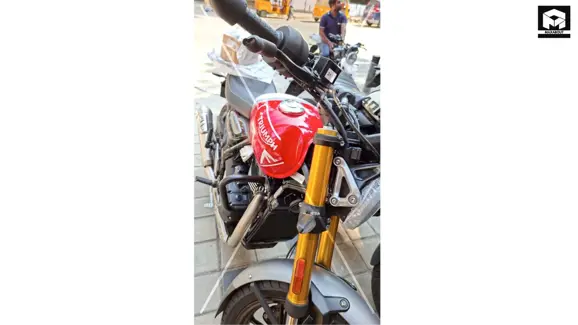

Based on the leaked specifications, I expect Bajaj to position the new Pulsar 350 as a compelling alternative in the mid-size motorcycle segment. The expected price point should be around ₹2.2-2.4 lakh (ex-showroom), which would place it strategically below the Royal Enfield Classic 350 while offering modern features and technology.
The target audience appears to be urban professionals and enthusiasts looking for a refined daily commuter that can handle weekend rides. What's particularly interesting is how Bajaj seems to be bridging the gap between sporty performance and classic styling - something that could attract both younger riders and mature motorcyclists.
In terms of competition, the new Pulsar 350 will face some strong contenders:
Royal Enfield Classic 350 (₹1.9-2.2 lakh)
Honda H'ness CB350 (₹2-2.2 lakh)
Jawa 350 (₹1.9-2.1 lakh)
The key differentiator for the Pulsar could be its performance-oriented character combined with modern electronics. While Royal Enfield dominates with heritage appeal and Honda excels in refinement, Bajaj appears to be targeting the sweet spot between performance and practicality. The extensive service network Bajaj maintains across India should also work in its favor, especially for buyers in smaller cities and towns.
Performance and Riding Dynamics Expectations
Based on the leaked specifications, the new Pulsar 350 appears poised to deliver a engaging riding experience. The reported kerb weight of 187 kg, combined with the uprated suspension setup, suggests nimble handling characteristics that should work well in urban environments.
What really catches my attention is the revised engine mounting system, which should translate to significantly reduced vibrations - a crucial factor for both city commutes and highway touring. The wider handlebar and repositioned footpegs indicate a more upright riding position, which I believe will offer better comfort during long rides.
The expected power output of 28-30 PS should provide enough grunt for both city and highway duties. What's particularly promising is the torque distribution - early reports suggest peak torque arriving at lower RPMs compared to competitors, which could mean better real-world rideability in Indian traffic conditions.
Expected riding characteristics:
More balanced weight distribution for improved cornering stability
Enhanced low-end torque for better urban maneuverability
Revised ergonomics suitable for both daily commuting and weekend touring
Improved heat management for better comfort in stop-and-go traffic
Fuel Efficiency and Maintenance Considerations
Based on early specifications and industry analysis, the new Pulsar 350 appears positioned to deliver practical fuel efficiency in the 35-40 kmpl range under real-world conditions. This should translate to a decent range of around 450-500 km on its 14-liter fuel tank.
Maintenance costs will likely remain competitive, with service intervals expected at every 5,000 km - quite standard for this segment. The extensive Bajaj service network across India is a significant advantage, particularly for riders in Tier-2 and Tier-3 cities where authorized service centers are crucial.
Expected maintenance highlights:
Simplified engine architecture suggesting lower routine service costs
Enhanced oil cooling system potentially extending oil change intervals
Ready availability of spare parts through authorized channels
Estimated service cost per visit: ₹1,500-2,000 for regular maintenance
The engine's focus on durability with features like forged pistons and advanced metallurgy should translate to better long-term reliability. This is particularly relevant for our market where bikes often clock high mileages in challenging conditions.
Launch Timeline and Market Impact
Based on industry sources, Bajaj plans to launch the new Pulsar 350 around March-April 2026. The timing seems strategic, allowing the company to capitalize on the pre-summer buying season when motorcycle sales typically peak in India.
The launch is expected to include three variants:
Standard Edition with single-channel ABS
N variant with dual-channel ABS and split seats
RS variant with sporty fairings and premium features
Color options will likely include Metallic Blue, Racing Red, and Graphite Black, with a possible special edition Pearl White for the RS variant.
Looking at market dynamics, this launch could significantly strengthen Bajaj's position in the premium commuter segment. Currently, Royal Enfield dominates the 350cc space, but the new Pulsar's expected price point of ₹2.1-2.4 lakh could disrupt this stronghold, especially among urban riders seeking modern technology with reliable performance.
Explore the story
Related news

Share your view and join the discussion.
Earn reward points for every comment and get a chance to win ₹1,000 in our weekly lucky draw. Sign in with Google in one tap.
Start the conversation
No one has commented on this article yet. Be the first to share your view.
Want to read more automotive news?
Stay updated with the latest car launches, reviews, and industry insights.
Browse All News