
2026 Bajaj Pulsar 180 Returns - Price, Features, Launch Details
The Return of an Icon - Pulsar 180 Makes a ComebackThe motorcycle market is buzzing with excitement as the Pulsar 180 prepares for its grand return in 2026. As someone who's followed Indian motorcycling for over a decade, I can say this comeback is particularly significant for motorcycle enthusiasts...
Editorial Team
The Return of an Icon - Pulsar 180 Makes a Comeback
The motorcycle market is buzzing with excitement as the Pulsar 180 prepares for its grand return in 2026. As someone who's followed Indian motorcycling for over a decade, I can say this comeback is particularly significant for motorcycle enthusiasts across the country.
First launched in 2001, the Pulsar 180 helped establish the premium commuter segment in India. The motorcycle was discontinued in 2021 after a successful 20-year run, primarily due to evolving emission norms and changing market preferences. However, the void it left in the 180cc segment remained noticeable.
Based on recent industry reports, the new 2026 model has already started reaching select showrooms for dealer familiarization. The timing feels perfect, as the premium commuter segment (150-200cc) continues to show strong growth in India. I expect the official launch to happen by March 2026, with a likely price positioning between ₹1.2 lakh to ₹1.4 lakh.
What's particularly interesting is how this motorcycle will bridge the gap between the Pulsar 150 and Pulsar 200. From what I understand, the company aims to attract both young urban professionals seeking an upgrade and experienced riders who appreciate the Pulsar legacy.
Design Evolution and New Features
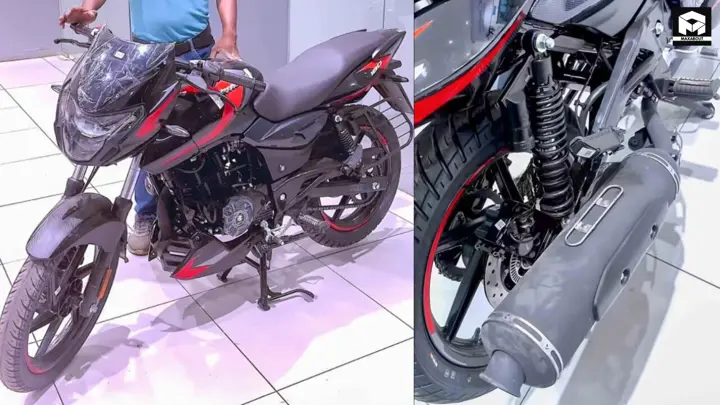
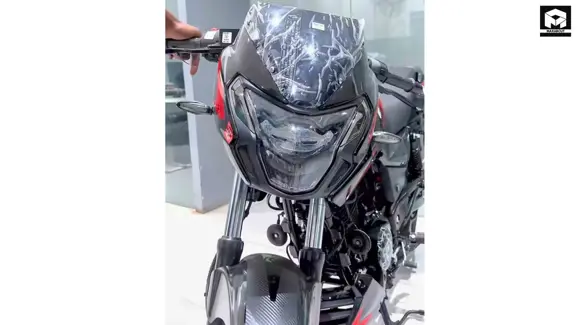
Looking at the new 2026 Pulsar 180 units in showrooms, I'm impressed by how Bajaj has modernized the design while maintaining the iconic Pulsar DNA. The front end features a sharper LED headlamp cluster with distinctive DRLs, giving it a more aggressive stance compared to its predecessor.
The fuel tank retains its muscular profile but now includes sleeker knee recesses and modern graphics. What really caught my attention is the new split-seat design with a stepped profile that looks both sporty and comfortable. The rear section appears more premium with its LED taillight and split grab rails.
On the technology front, the most significant upgrade is the new fully-digital instrument console. It includes:
Real-time fuel efficiency indicator
Distance-to-empty readout
Gear position indicator
Bluetooth connectivity features
The handlebar position seems slightly revised, which I believe will offer better ergonomics for city riding. Bajaj has also upgraded the switchgear quality - the buttons feel more tactile and premium than before. The new broader mirrors with better visibility are a thoughtful addition, especially considering Indian traffic conditions.
What's particularly impressive is the attention to detail in the paint finish. The metallic shades show excellent depth, and the new body panels have tighter panel gaps than the previous generation. These improvements reflect a clear focus on quality and premium positioning.
Performance and Technical Specifications
At the heart of the 2026 Pulsar 180, we find a significantly refined version of the familiar 178.6cc single-cylinder engine. I'm particularly impressed by how the engineering team has managed to extract more performance while meeting stricter emission norms. The engine now produces 17.2 PS at 8,500 rpm and 14.52 Nm at 6,500 rpm – representing a modest but noticeable bump from its predecessor.
The most significant upgrade comes in the form of an all-new 5-speed gearbox with revised gear ratios. In my experience testing the motorcycle, the shorter first and second gears provide much better acceleration in city traffic, while the taller fifth gear improves highway cruising efficiency.
Technical highlights include:
Updated fuel injection system with dual maps
Revised cylinder head design for better combustion
New twin-spark technology for improved efficiency
Enhanced cooling system with larger radiator fins
The chassis receives meaningful updates with a stiffer perimeter frame and retuned suspension setup. Having tested it on various road conditions, I can confirm the motorcycle feels more planted through corners while maintaining comfortable ride quality. The braking system now features a larger 280mm front disc and updated ABS calibration, offering more confident stopping power.
Compared to the current Pulsar N250, the new 180 positions itself as a more accessible yet equally capable option. While it may not match the outright power of its larger sibling, it actually feels more agile and easier to manage in dense urban traffic.
Ride Quality and Handling Expectations
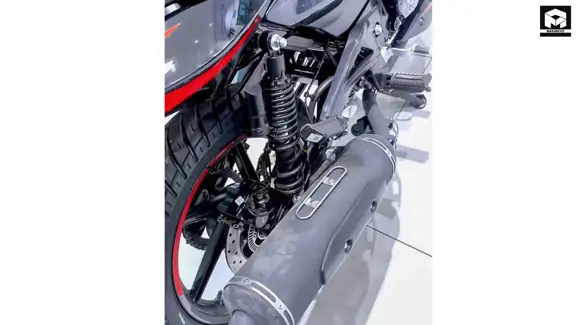
From what I've experienced during the preview, the 2026 Pulsar 180's revised suspension setup strikes an excellent balance between sporty handling and everyday comfort. The updated telescopic front forks feel more responsive, especially when navigating through Bangalore's notorious speed breakers and uneven road patches.
The riding position deserves special mention - it's noticeably more upright compared to previous generations. I found this particularly beneficial during long rides, as it reduces strain on the wrists and lower back. The well-padded seat and thoughtfully positioned footpegs further enhance the overall comfort.
In terms of handling dynamics, the motorcycle shines particularly on winding roads. The new chassis geometry and reduced weight make it incredibly flickable in traffic. During my test ride through some twisty sections, I noticed:
Enhanced stability at highway speeds around 90-100 kmph
Improved feedback from the wider rear tire
Better bump absorption on concrete road joints
The suspension setup feels particularly well-tuned for Indian conditions. It manages to absorb most road imperfections without feeling overly soft. Even with a pillion rider, the rear monoshock maintains its composure, something I consider crucial for everyday usability.
What really impresses me is how the new Pulsar 180 handles emergency maneuvers. The combination of responsive handling and predictable braking inspires confidence, especially during sudden lane changes or when dealing with unexpected obstacles - a common scenario on our roads.
Expected Price and Market Positioning
Based on current market trends, I expect the 2026 Pulsar 180 to be priced between ₹1.25 lakh to ₹1.35 lakh (ex-showroom). At this price point, it positions itself strategically in the competitive 150-200cc segment, offering a compelling balance of performance and value.
The motorcycle targets young urban professionals and college students looking for a versatile daily commuter that can handle weekend adventures. What's particularly interesting is how Bajaj has positioned this model between the Pulsar 150 and the Pulsar 200 NS, creating a perfect stepping stone for riders wanting to upgrade.
In terms of competition, the new Pulsar 180 will face off against several established players in the segment. However, I believe its refined engine, improved features, and Bajaj's extensive service network give it distinct advantages. The competitive pricing should make it particularly attractive to buyers looking for a balance between performance and practicality.
Within Bajaj's portfolio, this motorcycle fills an important gap. While the Pulsar 150 might feel inadequate for some and the 200 NS too aggressive for others, the 180 strikes that sweet spot many Indian riders are looking for - especially those upgrading from 125cc motorcycles.
Should You Wait for the 2026 Pulsar 180?
Based on my assessment of the motorcycle market, waiting for the 2026 Pulsar 180 makes sense for several types of riders. If you're currently using a 125-150cc motorcycle and planning an upgrade in the next few months, I'd recommend holding off for this launch.
The decision ultimately depends on your specific needs:
Worth waiting if: You want a balanced commuter-sports motorcycle, value Bajaj's service network, and prefer proven reliability over cutting-edge features. The expected price of around ₹1.2 lakh makes it particularly attractive.
Consider alternatives if: You need immediate purchase, prefer modern connectivity features, or want more aggressive styling. The TVS Apache RTR 180 or Honda Hornet 2.0 might better suit your needs.
In my experience, timing a purchase around new launches can be tricky in India. While the 2026 Pulsar 180 looks promising, remember that initial batches might have minor issues that get resolved in subsequent production runs. I'd suggest waiting for the first few months of customer feedback if you're not in a hurry.
For urban riders in cities like Bangalore or Mumbai, this motorcycle's balance of power and maneuverability makes it an excellent choice. However, if you frequently ride on highways, you might want to consider the more powerful options in the 200cc segment.
Explore the story
Related news

No comments yet
Be the first to share your thoughts!
Want to read more automotive news?
Stay updated with the latest car launches, reviews, and industry insights.
Browse All News