Kawasaki logo

Kawasaki Bikes

Most Popular Bikes by Kawasaki

Ad

About Kawasaki

Latest updates and information about Kawasaki

by imman
20 Sep, 14 02:52 PM

Kawasaki Heavy Industries is the parent brand behind India’s leading sportbike brand. It is well known for its performance focused products that undercut respective rivals by a huge margin. The origin dates back to 1896 for Heavy industries while motorcycles and engine division was formed later around 1960’s.

Kawasaki Heavy Industries is the parent brand behind India’s leading sportbike brand. It is well known for its performance focused products that undercut respective rivals by a huge margin. The origin dates back to 1896 for Heavy industries while motorcycles and engine division was formed later around 1960’s.

India Kawasaki Motors is an official subsidiary of the parent brand and operates in India independently after end of alliance with partner Bajaj Auto. They are the only brand to have a supercharged motorcycle engine with them that is on use for five different variants from Kawasaki. They first started business under the Meguro brand.

Meguro was bought by Kawasaki Heavy Industries and later, renamed to Kawasaki Motorcycle Company. First few years of the brand were marketed with Kawasaki Aircraft logo on their motorcycles. After 1967, they worked on models named K1 and H1 to improve presence in various international markets.

They have worked on reusable aerospace parts, aircrafts, trains and almost every possible manufacturing segment under heavy industries. Fans would be shocked to know that they even have teams working on missiles, space systems and helicopters. India Kawasaki Motor is limited to just two wheeler and that includes their off-road options.

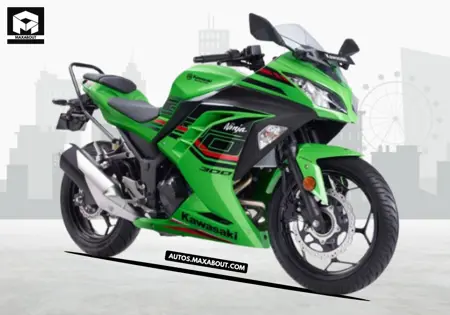
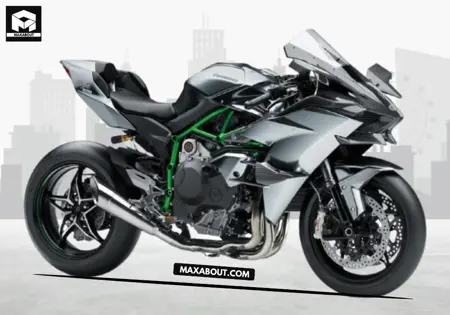
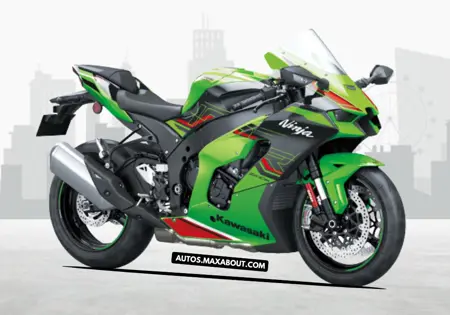
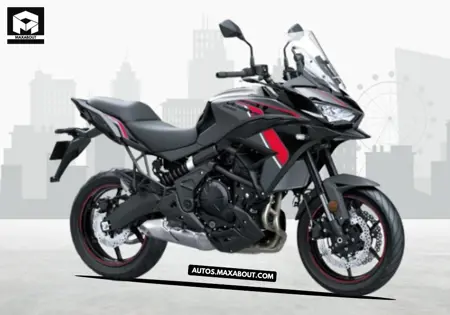
Kawasaki lineup is one among the most impressive lineups of all time. Starting right from quarter liter naked machine, the lineup goes till mighty Ninja H2R in India. Their international lineup has a long list of cruisers, sport bikes, off-road machines and naked street fighters on offer while Indian lineup is primarily restricted to sportbikes due to preferences of Indian buyers.

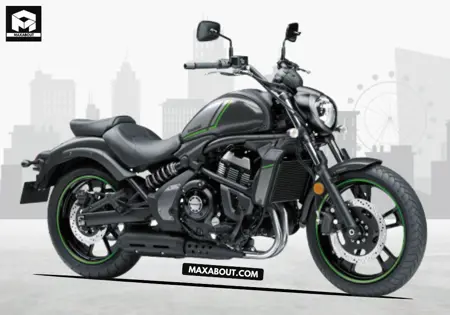
As on Feb 2018, they just have one cruiser named Vulcan S on offer here. Popular sportbike models from Kawasaki includes Ninja ZX-14R, ZX-10RR, Ninja 1000, Ninja H2 and H2R. They are planning to setup local production for their entry level models in India.

Info
Companies.Overview
Ad

Recent Discussions

Latest questions and answers from bikes enthusiasts

BMW F 450 GS vs Kawasaki Ninja 500 in India: which suits a ₹5–6 lakh touring buyer?

The BMW F 450 GS is listed at ₹4.70–5.30 lakh ex-showroom in India. The Kawasaki Ninja 500 is listed/current at ₹5.76 lakh ex-showroom. For a buyer planning highway touring with occasional poor-road use, the choice is less about a single headline price and more about the kind of riding each motorcycle supports. Current price and use-case context BMW F 450 GS: listed/current ₹4.70–5.30 lakh ex-showroom; adventure-bike stance and rough-road focus. Kawasaki Ninja 500: listed/current ₹5.76 lakh ex-showroom; faired twin-cylinder road and highway focus. The final on-road total, dealer allocation and test-ride availability can vary by city, so these should be checked locally before booking. What should decide the choice? Is upright ergonomics and occasional broken-road confidence more valuable than a faired road-bike feel? How important are wind protection, luggage and pillion comfort for the trips being planned? Does the extra purchase and running-cost headroom fit the budget after insurance, gear and touring accessories? Which dealer and service network is practical in the buyer’s city and usual travel route? For a ₹5–6 lakh touring budget in India, would you prioritise adventure-bike versatility or a faired twin’s road focus—and which of price, comfort, poor-road ability, service or resale would change your decision?

3 answers · 0 views

Kawasaki KLX230 vs KLX230 S in India — when does the lower seat justify the same ₹2.19 lakh price?

Kawasaki’s MY27 KLX230 range gives Indian dual-sport buyers two road-legal options at the same listed ₹2.19 lakh ex-showroom price: the standard KLX230 and the lower-seat KLX230 S. The published figures place the standard bike at an 880mm seat height and the S at 830mm; dealer allocation, on-road price and accessory costs can vary by city. What is confirmed, reported and still variable? KLX230: ₹2.19 lakh listed/current ex-showroom; 233cc; 6-speed; 880mm seat; deliveries stated from mid-September 2026. KLX230 S: ₹2.19 lakh reported ex-showroom; 830mm seat; confirm local allocation and final quote with a dealer. Not fixed nationally: on-road price, waiting period, accessories, service turnaround and local stock. This is not simply a height question. A lower seat can make slow-speed control and uneven-road stops easier, while riders should also consider ground clearance, suspension travel, trail use, city comfort, highway expectations, parts support and test-ride confidence. For your budget and riding mix, would you choose the standard KLX230 or wait for the KLX230 S? Which matters more in this decision: reach at a stop, off-road clearance, daily comfort, service access, or delivery certainty?

5 answers · 1 views

Kawasaki Ninja July 2026 benefits: do the discounts change the premium-bike buying decision?

Kawasaki’s reported July 2026 benefits make the decision less straightforward for buyers looking at a premium Ninja. The Ninja ZX-10R is reported to carry a voucher of up to ₹2.89 lakh, while the Ninja 1100SX is reported to include panniers valued at ₹1.25 lakh. These offers are reported to run until 31 July, but an authorised dealer should confirm the exact model, stock, eligibility and final on-road quote before any payment. Model July 2026 benefit (reported) Buyer relevance Ninja ZX-10R Voucher up to ₹2.89 lakh Changes the entry-cost calculation for a track-focused superbike; insurance, tyres, service and practical use still matter. Ninja 1100SX Panniers valued at ₹1.25 lakh Adds touring utility, but compare the full on-road cost, availability and intended distance riding. A large benefit can make a model look compelling, but it should not replace the basics: whether a test ride is available, what the on-road quote includes, service access near you, and whether the bike suits your real riding plan. If you were shopping in this bracket, would you prioritise the effective price, touring practicality, performance, service reach or resale? What budget and use case would make one of these offers genuinely worthwhile?

5 answers · 0 views

2026 Kawasaki Ninja 500 at ₹5.76 lakh: does the price make sense for an India sport-tourer?

Kawasaki India lists the 2026 Ninja 500 at ₹5.76 lakh ex-showroom. For riders seeking a twin-cylinder, faired motorcycle for weekday use and occasional highway touring, the practical decision is whether its current price, dealer support and likely running costs fit better than a lower-priced performance-focused alternative or a more upright tourer. What is confirmed Kawasaki Ninja 500 (2026): listed/current ₹5.76 lakh ex-showroom; faired twin-cylinder sportbike. No India price or availability for an alternative is treated as confirmed here. Which matters most at this budget: riding comfort, service access, ownership cost, performance or resale? What city and on-road budget should shape the answer?

5 answers · 0 views

What affordable alternatives to Yamaha YZF-R6 exist for sport bike lovers in India?

I've been dreaming of owning a Yamaha YZF-R6 for years, but the import duties and maintenance costs in India are making me reconsider. Being from Pune with access to some great ghats, I want something that gives me that sportbike thrill without emptying my bank account. I'm wondering if there are sasti alternatives that still deliver a proper track-oriented experience. I've been looking at the KTM RC 390 and TVS Apache RR 310 since they seem to offer good value and are built for Indian conditions. What concerns me is whether these smaller displacement bikes can provide that same josh I'd get from an R6. The local service network is definitely a plus though - finding Yamaha R6 parts in India seems like a nightmare! The other options I'm considering are the Yamaha R3 or the Kawasaki Ninja 400, which seem to balance performance and practicality better. My daily commute involves navigating through Mumbai's chaotic traffic, so I'm wondering if a full-blown supersport like the R6 makes sense at all. For weekend rides to Lonavala or track days at MMRT, would these 300-400cc bikes be satisfying enough? I understand that if I really want a liter-class experience, I'll have to shell out a premium (probably ₹15+ lakh), but I'm trying to be practical here. Are there other alternatives I should consider in the ₹3-5 lakh range that give a proper sportbike feel without the headaches of owning an imported bike in India?

5 answers · 0 views

What is the difference between the Yamaha R6 and other 600cc supersports for street riding?

The 600cc supersport class is a highly competitive class as each manufacturer provides their interpretation of the formula. Opinions are divided as to how the Yamaha R6 matches up for everyday street use compared to the likes of the Honda CBR600RR, Kawasaki ZX-6R and Suzuki GSX R600 when it comes to everyday street use. Low end torque, comfort while riding long hours, the toughness of the fuel for miles and easy to ride in the city traffic are the factors to take care of. The R6's high revving nature is not exactly conducive to the street, some riders say, while others enjoy its raw sportbike feel even in urban environments. What's often debated is how much the R6's track focused design compromises street manners compared to its competitors.

7 answers · 0 views

Ad

Explore More Kawasaki Vehicles

Find the perfect Kawasaki vehicle for your needs. Compare models, check prices, and read reviews.