TVS logo

TVS Bikes

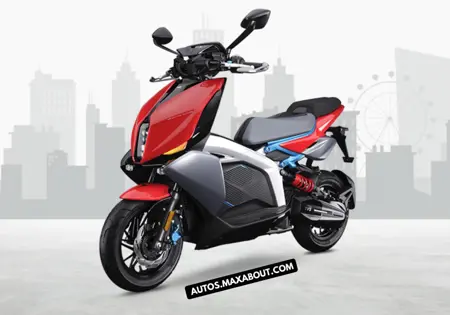
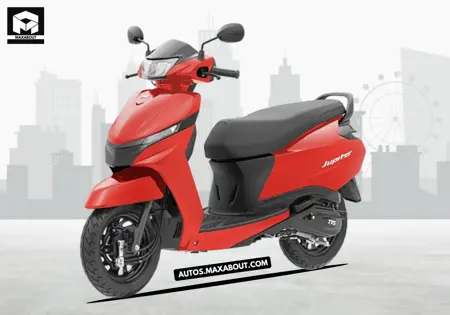
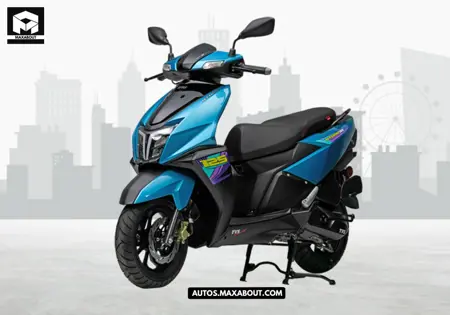
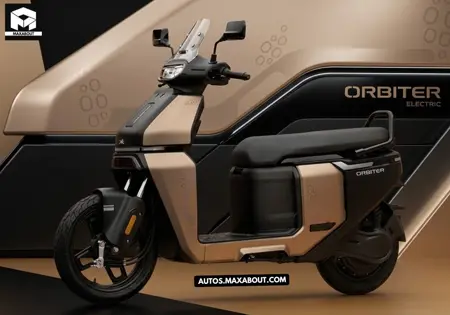
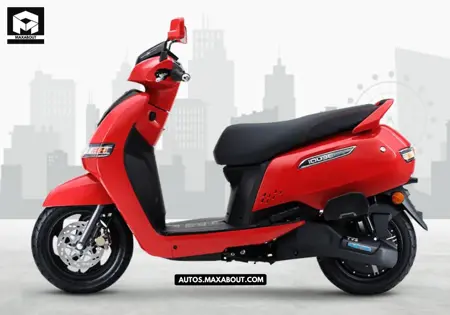
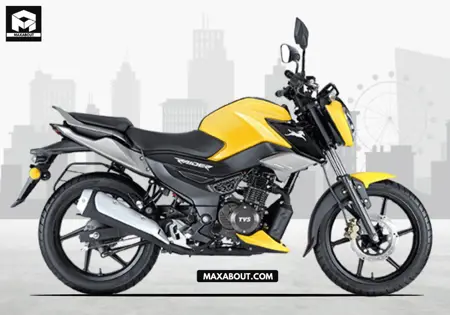
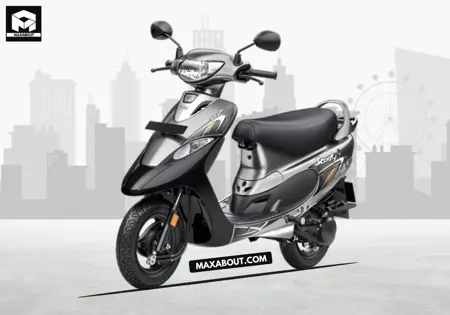
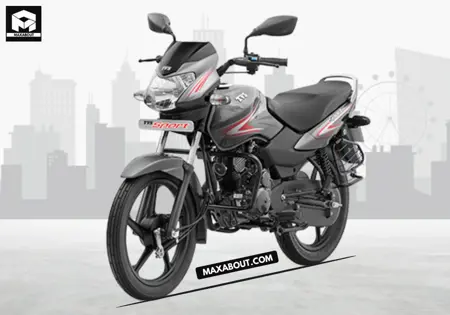
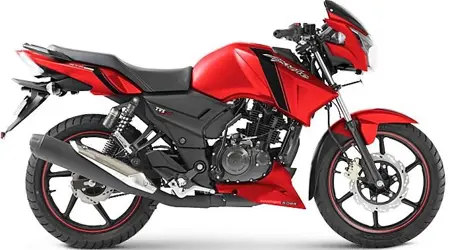
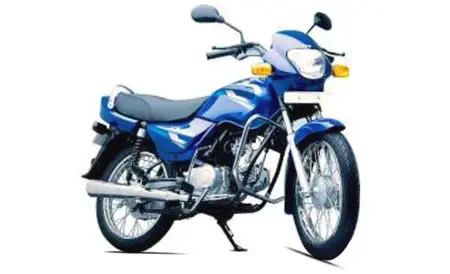
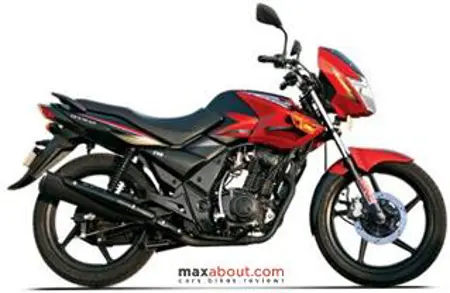
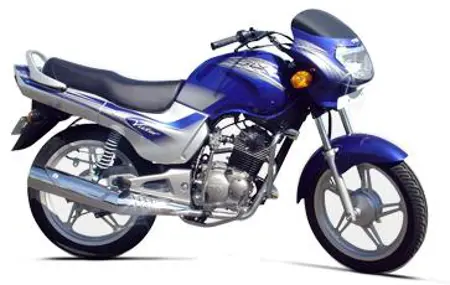
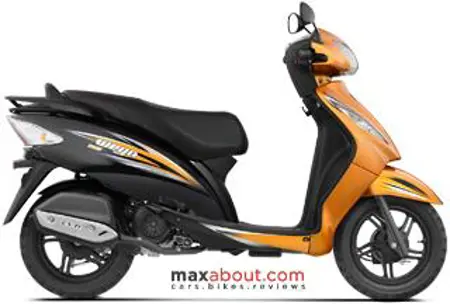
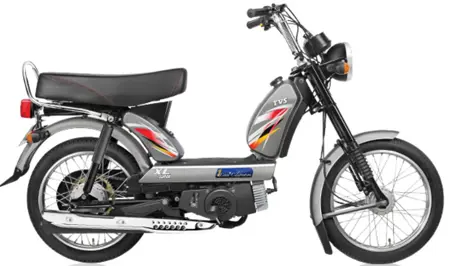
Most Popular Bikes by TVS

Popular TVS Bikes

Explore the most popular bikes from TVS.View complete price list orfind authorized dealers near you.
Ad

About TVS

Latest updates and information about TVS

by imman
20 Sep, 14 02:52 PM

TVS Motor is India’s third largest brand by domestic sales and fourth largest when seen in terms of overall motorcycle production. The brand is a part of TVS Group that deals in insurance, finance, aviation, logistics, manufacturing, housing and automobile sector. This huge diversification has helped them expand their business in right way and focus capital on better growth of their subsidiaries.

TVS Motor is India’s third largest brand by domestic sales and fourth largest when seen in terms of overall motorcycle production. The brand is a part of TVS Group that deals in insurance, finance, aviation, logistics, manufacturing, housing and automobile sector. This huge diversification has helped them expand their business in right way and focus capital on better growth of their subsidiaries.

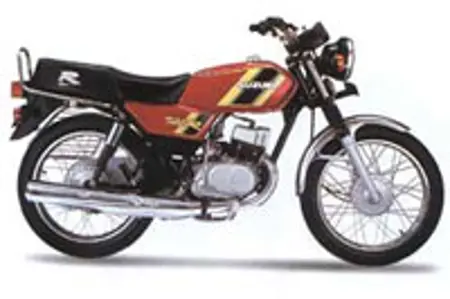
TVS first manufactured parts like brakes and exhausts for various brands while soon after, their collaboration with Suzuki helped them launch their first motorcycle in 1984. They even had a 50cc moped named TVS 50 around four years before their first motorcycle for India.

2001 saw change in plans for both brands as they ended their 17 year old partnership and formed TVS Motor. Most brands ended their ventures around this decade as the switch from 2-stroke to 4-stroke bikes would have felt easy to them individually.

Suzuki promised a 30-month period in which they did not launch any product in the competitive segment of TVS bikes of that time. Long gone are those days as both brands are now arch rivals when it comes to TVS Apache RTR 160 and Suzuki Gixxer. Pricing of these products place them right in the start of performance focused 150-160cc bikes.

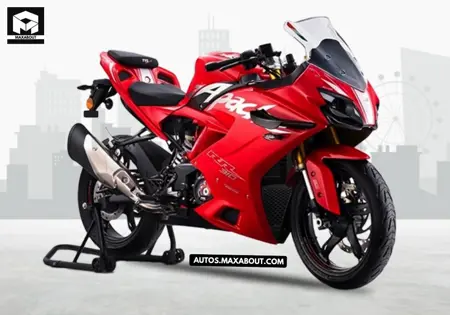
TVS has already entered the performance biking segment with Apache RR310 in India. The motorcycle is developed from BMW G310R and shares components with the street fighter. The price range of TVS bikes is quite vivid but buyers do not have any product between INR 1.10-2.15 lakh.

This INR 1 lakh segment is worth a fortune as Bajaj, Royal Enfield and Yamaha fetch good numbers from this segment. TVS is manufacturing BMW G310R for them at their Chennai factory. Apart from two wheelers, TVS Motors deals in a range of CNG three wheelers for commercial purposes.

Info
Companies.Overview
Ad

Recent Discussions

Latest questions and answers from bikes enthusiasts

TVS iQube battery issue after warranty: what written diagnosis, escalation and replacement choices should owners ask for?

Individual owner reports about TVS iQube battery diagnosis or replacement do not establish a model-wide defect, a service campaign, or a universal warranty outcome. But they do highlight a practical problem: when a battery concern appears near or after the applicable warranty period, owners need enough written evidence to compare escalation, replacement and exit options. What should be documented before authorising work? The job-card complaint, diagnostic codes and test results in writing. The exact battery and vehicle warranty terms for that model year, purchase date and mileage. A case number for escalation to TVS, plus the service centre’s written conclusion on coverage. An itemised authorised replacement quote, expected downtime and the warranty on the replacement part. Which path makes the most sense? If coverage is disputed, should an owner first seek a second authorised diagnosis or escalate the existing case? When paying privately, how should the replacement cost be compared with exchange value, local service reach, future resale impact and the risk of further downtime? What documentation would you insist on before approving a battery replacement, and at what cost or delay would exchanging the scooter become the more sensible choice?

6 answers · 0 views

India electric scooter ownership in 2026: can battery warranties make an EV safer than petrol for 5–8 years?

Electric scooters can cut daily energy and routine-service costs, but five-to-eight-year buyers often worry about battery degradation, replacement expense and service support. The claim that every scooter battery lasts only four or five years is too broad: health depends on the pack, use, temperature, charging and warranty. What a long warranty can—and cannot—solve Ather’s current Eight70 terms advertise five years/60,000 km with AtherStack Pro, or an optional eight years/80,000 km; both include 70% battery-health assurance. Other brands and variants differ, so verify the written policy for the exact scooter before booking. Compare the full five-to-eight-year ownership case Use and charging: predictable daily kilometres and home charging strengthen the EV case. Price: calculate when energy and maintenance savings recover the premium. Battery cover: check years, kilometre cap, health threshold, exclusions, transferability and claims. Service: compare the local network, parts and downtime—not just claimed range. Utility and resale: comfort, storage, real range, transferable cover and battery-health records all matter. If you are comparing an Ather Rizta, Bajaj Chetak, TVS iQube or petrol scooter, what decides it: price, charging, service, comfort, resale or battery cover? Share your daily distance, budget and ownership period.

5 answers · 0 views

First bike under ₹2.5 lakh in India: V-Strom SX, Ronin or Unicorn for city use and pillion comfort?

A first-bike decision for city riding and pillion comfort First-bike buyers who expect mostly city riding but regular pillion trips are balancing three very different approaches: the Suzuki V-Strom SX, TVS Ronin and Honda Unicorn. The practical choice is not simply the largest engine or the lowest entry price; it depends on riding position, low-speed ease, pillion space, road conditions, local service access and the real on-road budget. Suzuki V-Strom SX: a current 250cc adventure-style option for buyers who also expect highway use. Its listed Delhi ex-showroom price is ₹1,98,018; local on-road pricing varies. TVS Ronin: a current 225cc roadster-style option for a city-first mix. Confirm the latest local price and stock with the dealer. Honda Unicorn: a current commuter-oriented option for buyers prioritising routine use and service reach. Confirm the latest local price and stock with the dealer. Recent community questions repeatedly surface the same trade-off: city traffic, pillion comfort, reliability and occasional highway use. Before deciding, take a pillion test ride, compare the final on-road cost and insurance, and check local service reach and parts lead times. Which matters most for your first bike: purchase and running cost, pillion comfort, city manoeuvrability, highway ability, or nearby service support? Share your budget, city and expected city/highway split.

6 answers · 0 views

Suzuki e-ACCESS vs Ather Rizta, TVS iQube and River Indie: what should city buyers verify before paying a premium?

Suzuki’s e-ACCESS is listed from ₹1.88 lakh ex-showroom, but the final on-road quote, availability and local service support can differ by city. For an Indian household looking at an electric scooter for everyday use, that places it alongside the Ather Rizta, TVS iQube and River Indie rather than making price alone the decision. What to compare before booking Suzuki e-ACCESS: listed/current price; confirm the local on-road quote, delivery timeline and service support. Ather Rizta: family-oriented alternative; compare the chosen battery/feature pack, storage and nearby support. TVS iQube: compare the variant, real charging fit and local service experience. River Indie: compare practicality, weight/comfort and whether service is accessible in your city. The useful decision is not just claimed range. Check your daily distance, home-charging access, pillion and storage needs, warranty terms, local workshop reach and the full on-road price. Which of those matters most for your city commute—and what budget or daily distance would change your choice?

4 answers · 0 views

Hero Xpulse 210 in July 2026: book now or wait until the buyer checks are clear?

Hero’s India page lists the Xpulse 210 with a 210cc liquid-cooled engine rated at 24.6 PS. For a rider considering this entry-level adventure bike in July 2026, the bigger decision is not just the spec sheet: does the bike fit the intended mix of city riding, broken roads and occasional touring, and can the local dealer support the ownership plan? Checks to make before a booking Test ride and fit: assess seat reach, low-speed balance, suspension feel and highway comfort on the actual route you expect to ride. Dealer support: confirm the local service-centre path, routine-service booking process and parts enquiry process before paying a booking amount. Delivery and inspection: get the expected allocation and invoice terms in writing, then inspect the delivered motorcycle and its documents before handover. Alternatives: compare the on-road price and intended use against the V-Strom SX, TVS Apache RTX 300 and any other bike you can realistically test ride. For an India buyer choosing an Xpulse 210, which matters most: test-ride confidence, dealer support, delivery timing, highway comfort or off-road ability? What price gap to an alternative would change the decision?

3 answers · 0 views

Ad

Explore More TVS Vehicles

Find the perfect TVS vehicle for your needs. Compare models, check prices, and read reviews.