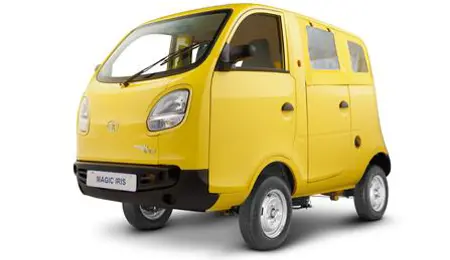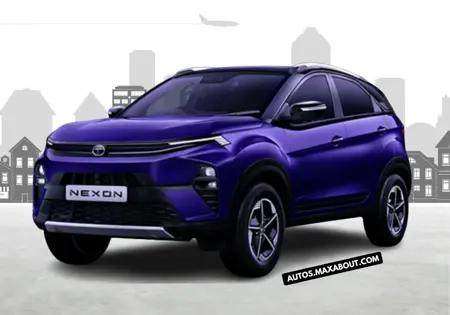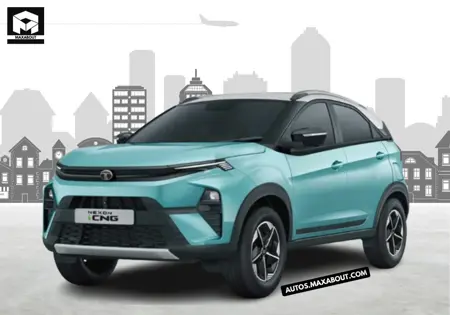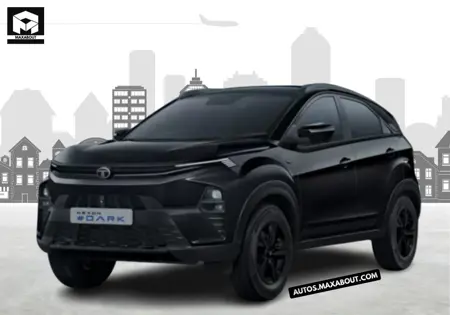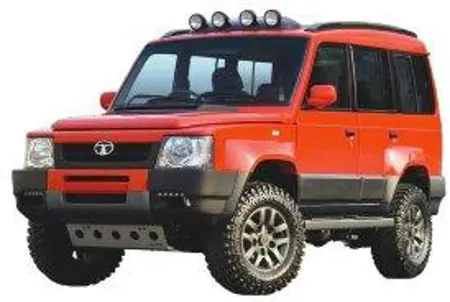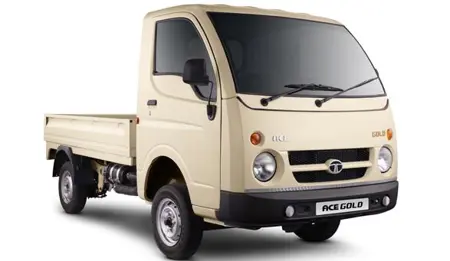
Tata Ace
₹228,000 - ₹631,633

Most Popular Cars by Tata
Explore the most popular cars from Tata.View complete price list orfind authorized dealers near you.

₹228,000 - ₹631,633

₹630,390 - ₹1,200,000

₹859,900 - ₹1,064,990

₹759,900 - ₹1,064,990

₹824,900 - ₹1,009,990

₹965,690 - ₹1,269,990

₹1,749,000 - ₹2,199,000

₹1,200,000 - ₹2,589,000

₹1,519,900 - ₹2,401,900

₹1,999,000 - ₹2,644,000

₹2,149,000 - ₹2,974,000

₹765,226 - ₹853,975

₹637,901 - ₹1,326,378

₹270,000 - ₹340,000

₹731,890 - ₹1,559,990

₹823,390 - ₹1,459,990

₹1,144,990 - ₹1,579,990

₹1,449,000 - ₹1,949,000

₹1,749,000 - ₹1,929,000

₹1,104,900 - ₹1,329,900

₹1,219,900 - ₹1,419,900

₹1,187,900 - ₹1,407,900

₹959,900 - ₹1,204,900

₹612,900 - ₹1,054,000

₹969,000 - ₹1,449,000

₹1,500,000 - ₹2,699,000

₹2,069,000 - ₹2,734,000

₹1,149,000 - ₹2,500,000

₹1,879,000 - ₹2,500,000

₹457,490 - ₹889,900

₹799,000 - ₹1,139,000
NA

₹629,900 - ₹954,900

₹1,249,000 - ₹1,375,000

₹1,570,254 - ₹1,731,906

₹599,900 - ₹1,079,990

₹1,205,000 - ₹1,553,000

₹1,101,000 - ₹1,625,000

₹508,218 - ₹800,000

₹792,000 - ₹908,000

₹1,724,400 - ₹2,101,400
₹1,706,900 - ₹2,426,900

₹1,325,266 - ₹1,882,819

₹1,231,069 - ₹1,817,043

₹422,342 - ₹561,358

₹329,000 - ₹463,000

₹318,000 - ₹550,000

NA

₹418,000 - ₹452,000

₹370,000 - ₹662,000

₹520,000 - ₹599,000

₹497,000 - ₹646,000

₹375,000 - ₹545,000

₹526,000 - ₹537,000

₹452,000 - ₹507,000

₹489,000 - ₹605,037

₹509,026 - ₹628,024

₹521,000 - ₹665,000

₹639,000 - ₹749,000

₹570,000 - ₹850,000

₹564,099 - ₹838,402

₹677,340 - ₹744,438

₹178,000 - ₹220,000,000

₹150,000 - ₹221,000

₹206,000 - ₹500,000

₹236,447 - ₹334,768

₹757,702 - ₹890,699

₹799,900 - ₹1,339,900

₹1,089,900 - ₹1,434,900

₹1,449,000 - ₹1,719,000

₹637,900 - ₹984,900

₹800,000 - ₹1,340,000

₹1,584,900 - ₹2,501,500

₹2,017,900 - ₹2,521,500

₹953,000 - ₹1,078,000

₹1,041,000 - ₹1,500,000

₹1,109,005 - ₹1,633,827

₹585,000

₹570,000 - ₹719,000

₹686,050 - ₹891,513

₹838,000

₹594,000 - ₹754,000

₹339,821 - ₹676,993

₹462,166 - ₹545,978

₹584,993 - ₹669,993
₹556,274 - ₹789,994

₹550,000 - ₹650,000

₹472,187 - ₹750,000

₹411,000 - ₹683,000

₹453,148 - ₹599,790

₹700,000 - ₹756,365

₹544,000 - ₹634,000
Latest updates and information about Tata
No content available for Companies.Overview at the moment
Latest news, reviews, and updates about Tata vehicles

Latest questions and answers from cars enthusiasts
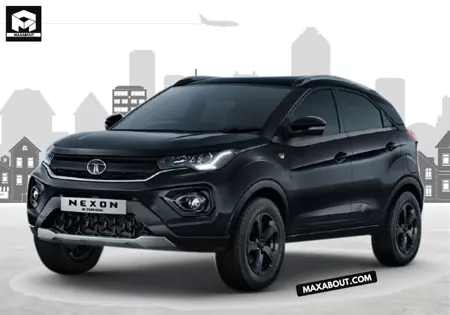
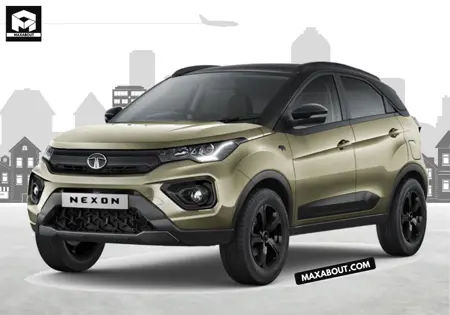
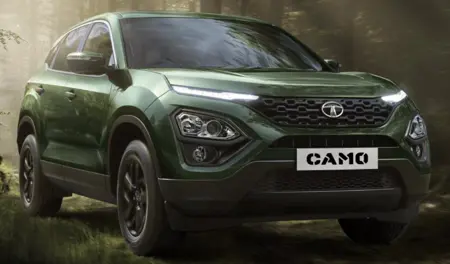
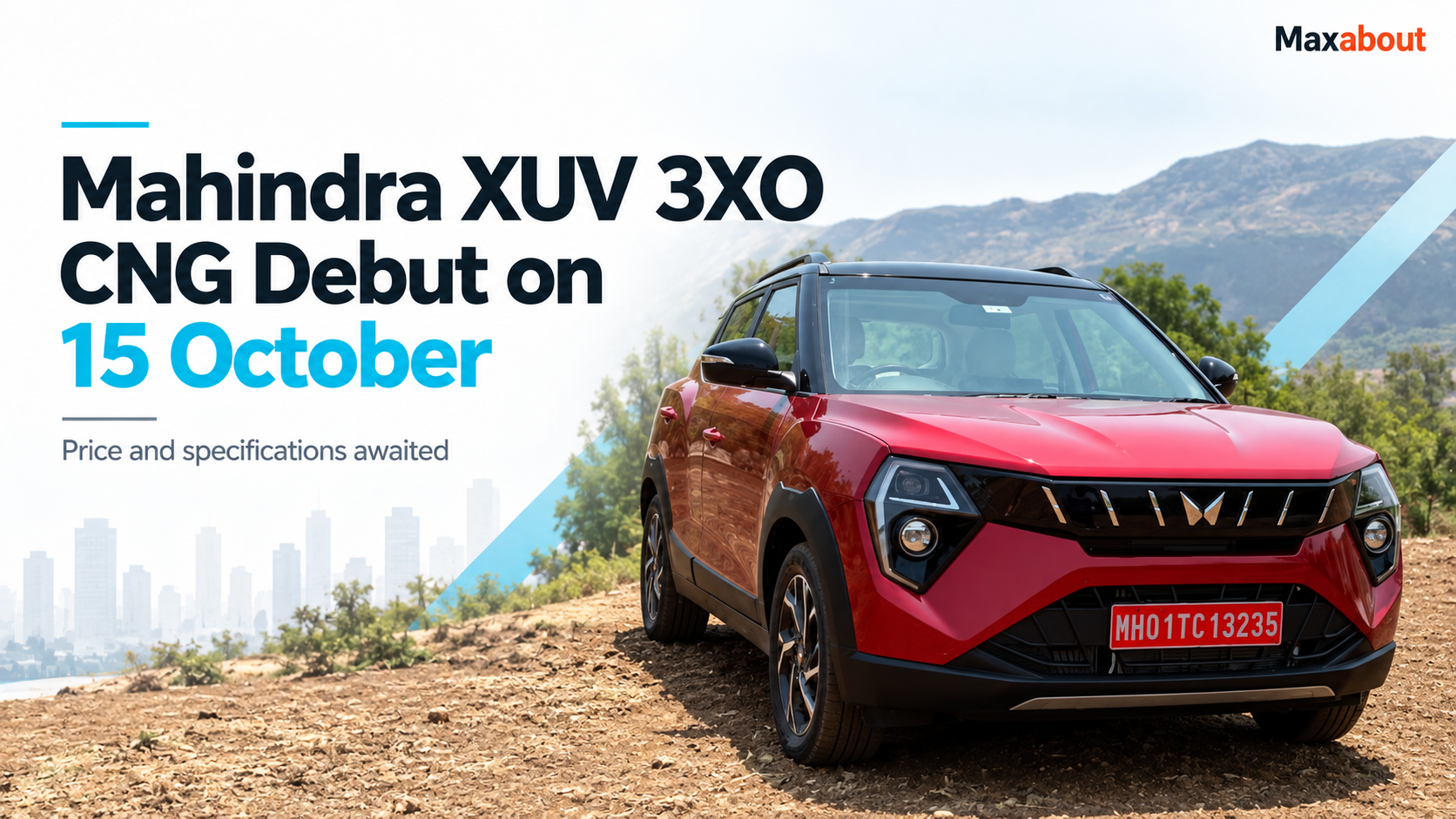
Tata Motors has introduced the new Nexon CAMO Edition in India, with prices starting at ₹9.99 lakh (ex-showroom). Celebrating 10 years of the Nexon and over 11 lakh customers, the special edition gets an exclusive camouflage-inspired design, new styling elements, additional features like an integrated dashcam, and continues with the existing petrol and diesel engine options. Prices go up to ₹13.94 lakh depending on the variant. What do you think about the new Nexon CAMO Edition? Is the updated styling and feature package enough to justify choosing it over the regular Nexon?
0 answers · 0 views
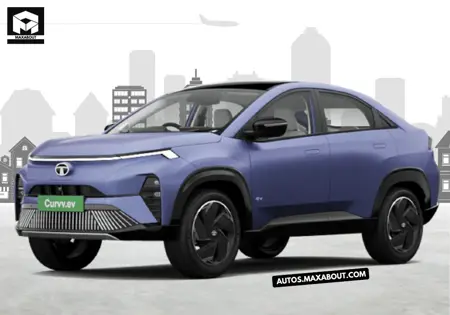
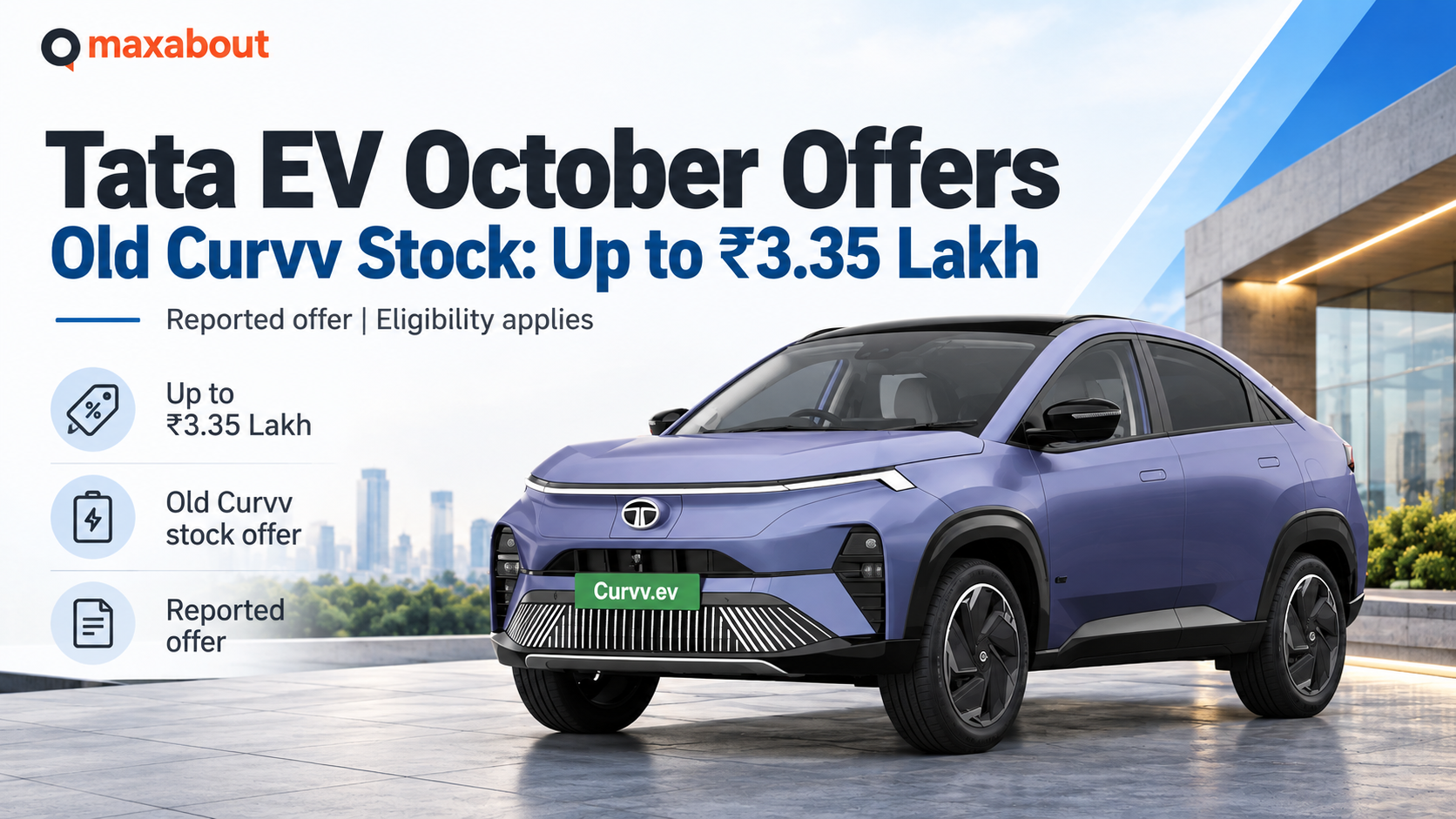
Tata.ev currently lists the Curvv.ev from ₹16.99 lakh ex-showroom, with a 502 km claimed range, a 7.2 kW AC home wall-box charger, and a lifetime high-voltage battery warranty. Those are manufacturer-listed details; they do not by themselves explain every long-term ownership scenario. What should be confirmed in writing? Whether the battery warranty follows the car after resale and what documents a second owner needs. Which exclusions apply after an accident, an insurance-authorised repair, water ingress, physical damage, or non-standard charging equipment. How battery health is measured, what diagnostic report is provided, and what threshold triggers repair or replacement. Which service centre handles escalation, how long a battery claim can take, and whether mobility support is included. Who owns and maintains the home charger, and whether installation or electrical-work issues are covered separately. The ten-year buying decision A long ownership horizon makes warranty wording, service access, insurance treatment and resale transferability as important as the headline range. Which of these checks would decide your purchase? If you are comparing the Curvv.ev with another ₹15–20 lakh EV, would you prioritise written battery coverage, charging support, service reach or expected resale value?
4 answers · 1 views
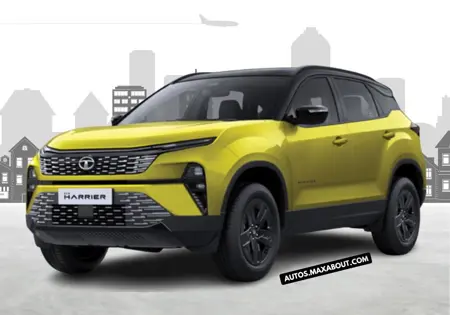
A dealer may offer an older-stock Tata Harrier.ev Quad Wheel Drive (QWD) at a tempting discount beside a newly built rear-wheel-drive (RWD) version. That comparison is not only about the extra motor or feature list: a buyer needs written clarity on the vehicle’s manufacturing and registration dates, storage and charging history where available, battery-health evidence, warranty terms and the final on-road saving. What Tata’s listed prices establish Tata Motors listed the Harrier.ev range from ₹21.49 lakh ex-showroom in its June 2025 QWD pricing release, with the Empowered 75 RWD at ₹27.49 lakh and the Empowered 75 QWD at ₹28.99 lakh; those were introductory listed prices, not a current dealer quote. The same release says charger and installation costs are separate and describes the HV-battery lifetime warranty as subject to terms and conditions. Before comparing an older QWD with a new RWD Ask for the VIN-linked manufacturing date, odometer reading and a documented pre-delivery inspection. Request the battery-health/diagnostic report and confirm who issued it, what it measures and whether it becomes part of the sale record. Get the warranty start date, transferability and exclusions in writing; do not assume a broad warranty headline covers every condition. Compare the final on-road discount with the value you place on AWD/QWD capability, a newer build date and a full fresh-delivery window. Check tyres, 12V battery condition, charging equipment, software updates, body panels and every promised accessory before registration. Would you take the dealer-aged QWD only after a strong enough written discount and diagnostics, or pay more for a newly built RWD? Which matters most for a 7–10 year owner: AWD/QWD, battery evidence, warranty clarity, resale confidence or the final on-road gap?
2 answers · 0 views
Some Tata EV owners are discussing a repeatable pattern where the displayed charge falls unusually quickly near the lower end of the battery state of charge. That does not prove every Nexon EV has a battery fault, but it raises a practical diagnostic question for owners whose cars behave this way. What should an owner check? Repeatability: note the starting charge, distance, speed, terrain, air-conditioning use and outside temperature when the sharp drop occurs. Vehicle diagnostics: ask the authorised workshop for a written job card, diagnostic report and battery-health assessment instead of relying only on the dashboard range estimate. Evidence: keep dated photos or video of the instrument display, charging records, service invoices and written workshop responses. Warranty terms: check the exact battery and motor coverage that applies to the vehicle's model year, variant, registration date and mileage. Coverage should not be assumed from a general headline. Escalation: if the symptom is repeatable but unresolved, request a case number and written next steps through the manufacturer's official service channel. For owners who have seen a sudden drop below roughly 30% state of charge, which evidence or diagnostic result helped separate a faulty battery or cell imbalance from normal range-estimation variation? Did the workshop provide a clear test report, repair timeline or warranty decision?
2 answers · 0 views
Tata Electric Mobility’s July 2026 suggestion that buyers should treat EVs more like gadgets has sharpened a real India-market question: should an electric car be judged mainly by the value it delivers while it is used, even if resale is uncertain? That framing may suit high-mileage buyers who can recover more of the purchase premium through lower energy and routine-service costs. It may be much less comfortable for buyers who change cars every four or five years, depend on predictable resale value, or cannot easily absorb rapid changes in battery, charging and software technology. What should an Indian EV buyer compare? Expected ownership period: keeping an EV for eight to ten years changes the depreciation calculation compared with selling after four years. Annual running: higher yearly kilometres can make energy savings more important than resale value. Battery and warranty confidence: buyers should verify the exact warranty, transfer rules, state-of-health terms and service record requirements for the chosen model. Charging fit: dependable home charging can matter more than a headline range figure. Upgrade risk: faster improvements in range, charging speed and software can weaken demand for older EVs. Vehicle utility: space, comfort, safety, service reach and highway suitability still matter even if the powertrain is electric. Would you accept weaker resale value if an EV lowered your monthly running cost, or does an electric car still need to retain value like a conventional car? What ownership period and annual mileage would make the “gadget mindset” reasonable for you?
3 answers · 0 views
For Indian buyers comparing the Tata Harrier.ev and Mahindra XEV 9e, the decision is not just about a spec sheet. The Harrier.ev is the more conventional family-SUV-shaped option, while the XEV 9e is positioned as an EV-first alternative. Listed/current prices and variants should be checked with a dealer before booking. What should a buyer compare? Space and comfort: rear-seat usability, ride quality and boot practicality for family travel. EV use: battery and variant suitability, home charging and highway-charge planning. Ownership: controls and cabin usability, service reach, warranty terms and delivery support. If your budget is roughly ₹22–31 lakh, which matters more for your use case: family-SUV comfort, EV-first tech, running cost, or service confidence? Please add your city, expected monthly kilometres and whether you can charge at home.
4 answers · 0 views
Find the perfect Tata vehicle for your needs. Compare models, check prices, and read reviews.